- +86 18903185773
- nina@brakelinefactory.com
- Monday - Sunday 9.00 - 18.00

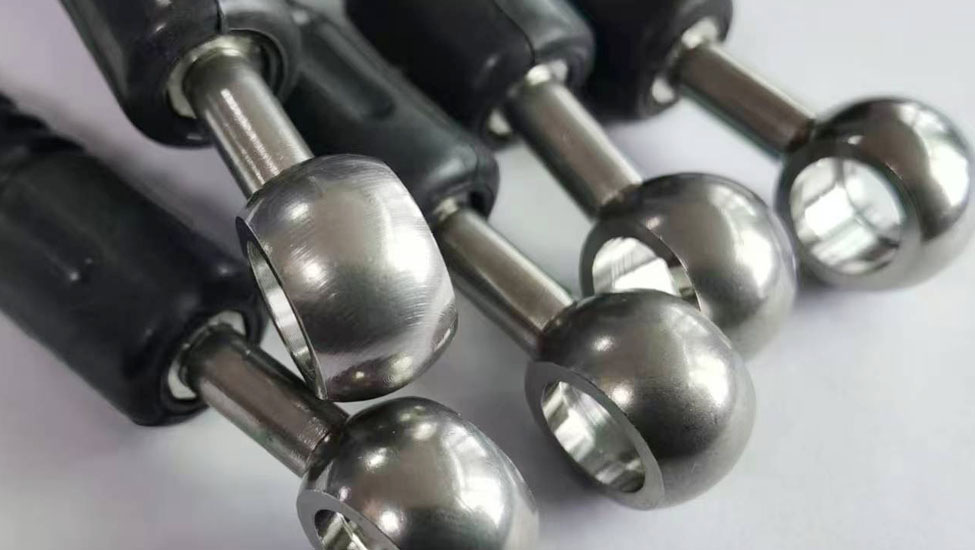
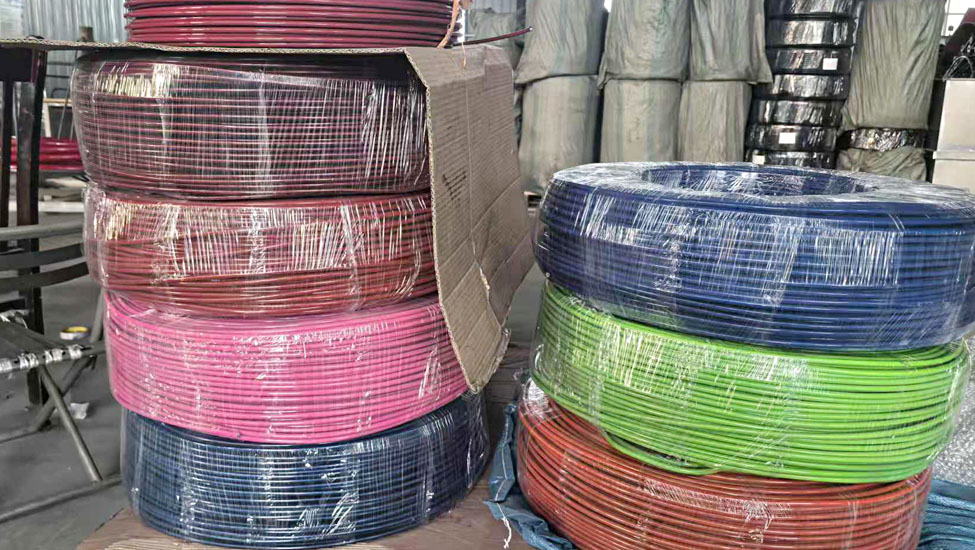
Brake line damage is rarely caused by a single factor. In real-world use, especially in Southeast Asia, the Middle East, Japan, Korea, and many African markets, brake hoses are exposed to heat, humidity, dust, vibration, road debris, and irregular maintenance. Over time, these conditions can shorten service life and affect braking response.
High ambient temperature is one of the main reasons brake hoses lose performance. Repeated heat cycles can harden the outer layer, weaken internal stability, and cause expansion under pressure. When brake fluid is old or contaminated, the problem becomes even more obvious.
During inspection, look for surface hardening, cracks, bulging, or a soft pedal feel after prolonged driving. These are common signs that the hose is no longer working as intended.
In coastal and high-humidity regions, moisture can accelerate corrosion on fittings and connectors. For vehicles used in rainy seasons or near the sea, the risk is higher. Dust and road salt can also damage protective layers and reduce long-term reliability.
A brake hose system should be selected not only by vehicle model, but also by climate, usage pattern, and maintenance frequency.
Brake hoses are designed to move, but repeated flexing at the wrong angle can create stress points. If the hose is routed too close to suspension parts, the tire, or sharp edges, it may rub, twist, or crack earlier than expected.
Correct routing, proper clamp position, and stable fitting alignment are just as important as the hose material itself.
Off-road driving, uneven roads, and loose gravel can cause outer-layer wear. In some markets, vehicles are used under mixed road conditions every day, which makes abrasion resistance a key selection point.
For buyers comparing different brake hose structures, these product pages may help you match material, application, and assembly style:
If you have drawings, samples, or a target vehicle list, send them to us and we can help match the right structure, fitting type, and hose specification for your market. Contact us here.
There is no single replacement interval for every vehicle. In normal use, hoses should be inspected regularly and replaced as soon as cracks, swelling, leakage, stiffness, or pedal inconsistency appears.
Yes, when the correct material and fitting structure are selected. A properly built upgraded brake line can improve consistency, reduce expansion under pressure, and offer better resistance to heat and wear.
Not every brake hose is suitable for every vehicle. The correct choice depends on vehicle type, brake system layout, temperature, road conditions, and fitting compatibility.


Here you can obtain valuable Brake Line Brake Hose technical articles
How Stainless Steel Braided Br
Read More Why Do Motorcycle Brake Lines
Read More How to Choose the Right Motorc
Read MoreInstant Chat Support
+8618903185773
nina@brakelinefactory.com
Get the latest information

Scan the code to follow
Return to the top of the page