Brake Drag After Driving: What Usually Causes It and How to Check the Brake Hose System
Brake drag is one of those problems that often starts quietly. The car drives normally for a while, then the wheels feel hot, fuel consumption rises, and the vehicle becomes slower to roll. In many cases, the first suspicion is the caliper, but the brake hose should not be ignored. A hose that swells, deteriorates internally, or cannot release pressure properly can keep hydraulic force trapped in the system after the pedal is released.
Why brake drag appears after the vehicle has been driven
When the brake system heats up, every weak point becomes easier to notice. Rubber hoses may expand under pressure. If the inner liner ages, the hose may act like a one-way valve and hold pressure in the line. That is why the problem often shows up after several stops, after traffic congestion, or after a longer drive in hot weather.
Common signs technicians look for
- One wheel is hotter than the others
- The vehicle feels heavy even when the brake pedal is released
- Brake response changes as the system warms up
- The car pulls slightly to one side after repeated braking
- Brake smell appears after normal driving
Main reasons a brake hose can contribute to drag
1. Internal collapse or liner damage
Inside damage is difficult to see from the outside. A hose may look acceptable but still restrict return flow. Once fluid pressure builds, the line may not release quickly enough.
2. Heat-related expansion
Soft hoses can expand under pressure, especially in stop-and-go traffic and hot climates. This can change pedal feel and affect release timing.
3. Moisture, aging, and contamination
Road dust, oil mist, moisture, and high temperature cycles all accelerate hose aging. In humid regions and coastal markets, the problem can become more noticeable.
Recommended product options for this application
If the goal is stronger pressure stability and a more direct brake feel, these options are commonly reviewed by buyers and installers:
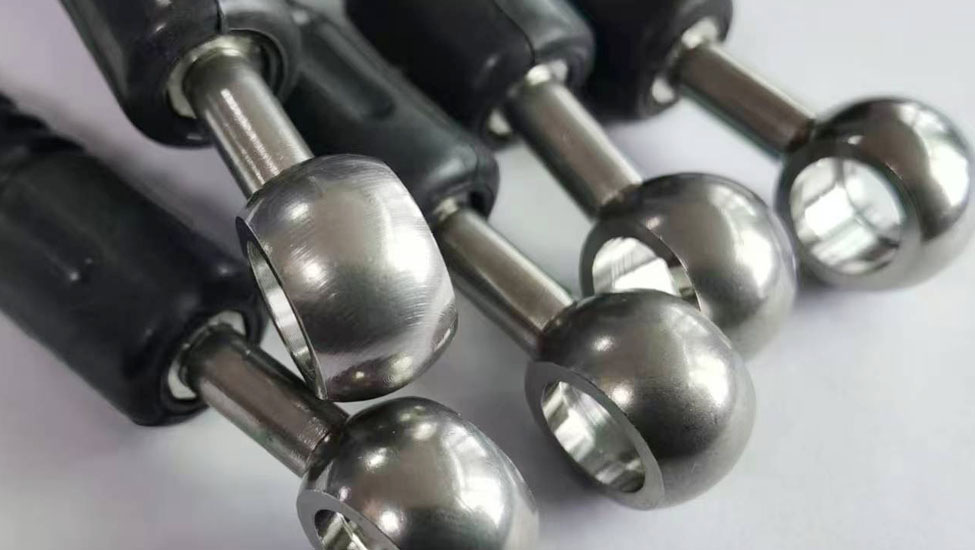
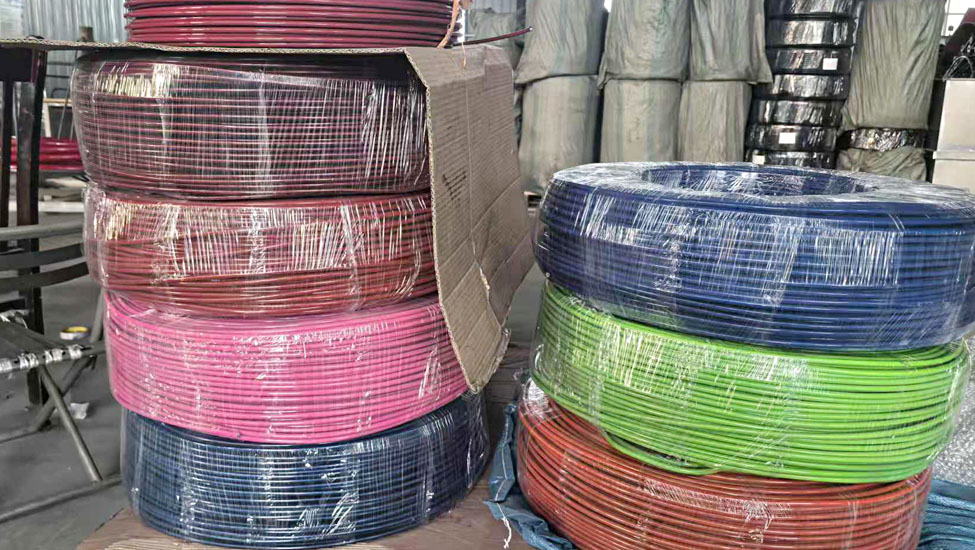
Teflon Brake Line, PTFE Brake Line Assembly, Rubber Brake Line Assembly, braided brake lines
Why these products are often selected
Teflon Brake Line and PTFE Brake Line Assembly are widely chosen where stable pressure transfer and heat resistance matter. Rubber Brake Line Assembly remains common for standard replacement projects where original-style fitment is needed. Braided brake lines are often specified by buyers who want better pedal consistency and a stronger appearance for performance or custom applications.
Need a custom length or fitting combination?
If you have drawings, samples, or a specific vehicle application, send us the details and we can support custom sizing, fittings, and assembly matching.
How to reduce brake drag in daily use
- Inspect hoses during routine service, not only when failure appears
- Replace old lines before cracks and internal restriction become severe
- Check caliper slide pins, pistons, and pads at the same time
- Use the correct brake fluid and keep the system clean
- Do not ignore a wheel that runs hotter than the others
FAQ
How often should a brake hose be replaced?
There is no single universal interval. Many buyers replace hoses when aging, cracking, swelling, poor pedal return, or heat-related drag appears. In harsh climates, inspections should be more frequent.
Do upgraded brake hoses really improve safety?
When the original hose is old or soft, an upgraded line can improve pressure stability and pedal consistency. Safety improvement depends on correct specification, correct installation, and overall system condition.
Are upgraded brake hoses suitable for all vehicles?
Not always. Fitment depends on vehicle model, thread type, length, routing, and brake system layout. That is why matching the exact application matters more than choosing a product name alone.