How Stainless Steel Braided Brake Lines Improve Motorcycle Brake Performance
Stainless steel braided brake lines are widely used in motorcycle aftermarket applications where consistent hydraulic performance, durable construction, and reliable fitment are important. Compared with conventional brake hoses, a properly designed braided brake line incorporates a reinforcement layer that helps control hose expansion under hydraulic pressure.
For motorcycle parts importers, wholesalers, repair workshops, and aftermarket brands, understanding how braided brake lines work can help with product selection and purchasing decisions. Hose construction, inner tube material, stainless steel reinforcement, fitting design, and manufacturing quality all influence the suitability of a brake line for a specific motorcycle.
1. What Is a Stainless Steel Braided Brake Line?
A stainless steel braided brake line is a hydraulic hose assembly designed to transfer brake fluid pressure between components of a braking system. It typically consists of an inner tube, a reinforcing stainless steel wire braid, and, depending on the design, an outer protective coating or sleeve.
Inner Tube: Fluid Compatibility and Pressure Performance
The inner tube carries the brake fluid and must be compatible with the specified fluid, operating temperature, and hydraulic pressure. Some performance-oriented brake lines use PTFE inner tubing because of its chemical resistance and suitability for properly engineered hydraulic assemblies.
Material selection should always be based on the complete product specification. Not every polymer tube is suitable for motorcycle hydraulic braking systems.
Stainless Steel Braiding: Reinforcement and Protection
The stainless steel wire braid reinforces the hose and helps limit expansion when hydraulic pressure increases. Depending on the braid design and assembly construction, it can also provide additional protection against certain forms of external damage.
The actual performance of a braided brake hose depends on wire specification, braid construction, hose design, fitting connections, and manufacturing controls. A stainless steel exterior alone does not guarantee superior performance.
Fittings and Crimped Connections
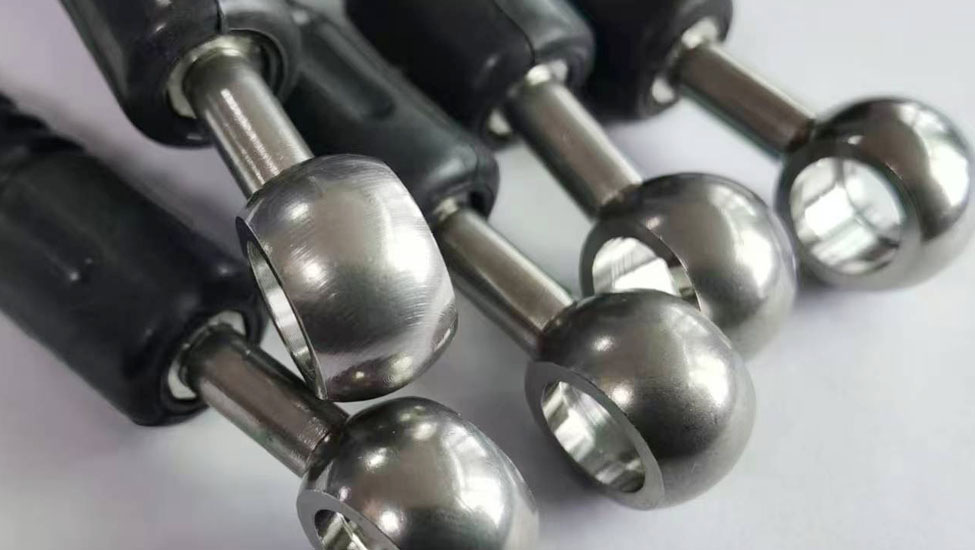
Brake hose fittings connect the hose assembly to the master cylinder, brake caliper, or other specified hydraulic components. Correct fitting dimensions, material compatibility, sealing surfaces, and assembly methods are essential for a reliable connection.
Crimping must follow validated manufacturing specifications. Incorrect crimp dimensions or unsuitable fittings can lead to leakage, hose separation, or other dangerous failures.
2. Key Advantages of Braided Brake Lines for Motorcycles
More Controlled Hose Expansion
All hydraulic hoses undergo some degree of deformation under pressure. A properly engineered stainless steel braided brake line can help reduce hose expansion compared with some conventional hose constructions. This may contribute to a more consistent brake lever feel when the assembly is correctly selected and installed.
Suitable for Performance-Oriented Applications
Motorcycle enthusiasts and aftermarket brands often consider braided brake lines for modified motorcycles, sport motorcycles, and other applications requiring specific hydraulic hose configurations.
However, the final result depends on the entire braking system, including the master cylinder, calipers, brake pads, fluid condition, and correct installation. Upgrading the hose alone does not guarantee a shorter stopping distance.
Flexible Configuration for Different Motorcycle Models
Different motorcycles have different brake line lengths, routing paths, connection types, and fitting angles. Custom brake line assemblies can be developed around confirmed vehicle requirements and approved technical specifications.
For aftermarket distributors, customized hose lengths and fitting configurations can help support different models and modification requirements while maintaining the necessary technical specifications.
Protection Against Certain External Hazards
Stainless steel reinforcement may provide additional external protection, while a suitable outer coating can help protect the hose from abrasion and environmental exposure. The appropriate construction depends on the application and expected operating conditions.
3. PTFE Braided Brake Lines vs. Rubber Brake Hoses
Rubber and PTFE-based brake hose assemblies can both be suitable for motorcycle braking systems when designed and approved for the intended application. Their differences should be evaluated through technical specifications rather than appearance alone.
Rubber Brake Line Assembly
A Rubber Brake Line Assembly is commonly used in original equipment and replacement applications. Its flexibility can support the routing requirements of many standard motorcycle designs.
When sourcing rubber brake hoses, buyers should confirm the pressure rating, temperature range, brake fluid compatibility, fitting configuration, and applicable vehicle requirements.
Teflon Brake Line and PTFE Brake Line Assembly
A Teflon Brake Line commonly refers to a brake hose incorporating a PTFE inner liner, although buyers should verify the actual material specification. PTFE can offer useful chemical resistance when used in a correctly engineered hydraulic assembly.
A PTFE Brake Line Assembly may combine a PTFE inner tube with stainless steel reinforcement and compatible end fittings. Its suitability depends on the complete assembly's pressure capability, temperature limits, fluid compatibility, and test results.
Braided Brake Lines for Aftermarket Brands
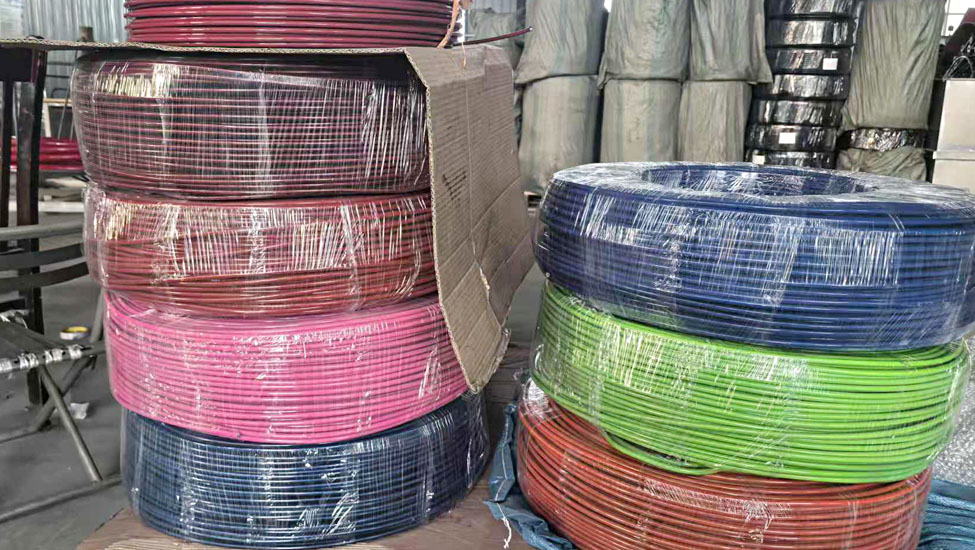
Braided brake lines are often selected for aftermarket product ranges because they offer a reinforced construction and can be manufactured in different lengths and fitting configurations. Some products also include colored protective coatings to support brand differentiation and product identification.
For B2B buyers, the most important factors are technical suitability, manufacturing consistency, traceability, and fitment accuracy.
4. How to Choose the Right Motorcycle Braided Brake Line
Confirm Motorcycle Compatibility
Check the motorcycle make, model, production year, brake configuration, and original hose routing. Modified handlebars, suspension components, or brake calipers may change the required hose length and fitting arrangement.
Verify Hose Length and Fitting Specifications
The brake line must have the correct overall length, fitting type, fitting angle, thread specification, and sealing arrangement. Buyers should provide drawings, reference samples, or verified measurements when requesting customized assemblies.
Check Pressure and Temperature Ratings
Request technical documentation confirming that the complete brake line assembly meets the operating requirements of the intended braking system. Ratings should apply to the finished hose assembly, including its fittings and connections, rather than only the inner tube.
Evaluate Outer Coating and Corrosion Resistance
Depending on the product design, an outer coating or protective sleeve can help reduce abrasion and environmental exposure. Fittings and exposed metal components should also be suitable for the intended environment.
This is especially relevant for motorcycles operating in humid Southeast Asian climates, hot and dusty Middle Eastern conditions, and other environments where corrosion protection and routine inspection are important.
5. Manufacturing Quality: What Buyers Should Check
For importers, wholesalers, and motorcycle parts brands, consistent manufacturing quality is essential when purchasing stainless steel braided brake lines in bulk. A reliable sourcing process should include technical review, production controls, and appropriate testing.
Wire Braiding and Hose Construction
Manufacturers should maintain consistent reinforcement specifications and verify that the hose construction matches the approved product design. Variation in materials or construction can affect product consistency.
Precision Cutting and Crimping
Hose cutting, fitting preparation, and crimping should follow defined process controls. Incorrect assembly dimensions can affect connection integrity and installation compatibility.
Pressure and Leakage Testing
Testing should follow the applicable product specification and relevant requirements for the intended market. Buyers can request available inspection records, test reports, and information about the manufacturer's quality control procedures.
Batch Consistency and Traceability
For repeat orders, consistent materials, fitting dimensions, product identification, and inspection records help reduce sourcing uncertainty. OEM customers should establish approved specifications before mass production.
6. OEM and Wholesale Opportunities for Braided Brake Lines
Stainless steel braided brake lines can be part of an aftermarket product range for motorcycle parts distributors, performance parts brands, repair networks, and regional wholesalers. For manufacturers and purchasing teams, the ability to support confirmed specifications is an important factor when evaluating a supplier.
Custom Lengths and Fitting Configurations
OEM projects may require different hose lengths, connection types, fitting angles, and protective finishes. Providing complete technical information before production helps reduce fitment errors and unnecessary sample revisions.
Product Range Planning
Distributors can evaluate demand across standard replacement hoses, performance-oriented braided lines, and application-specific assemblies. Each product should be matched to an appropriate vehicle application and verified technical specification.
Supplier Evaluation
Before placing a bulk order, buyers should assess the supplier's production capability, inspection procedures, documentation, customization process, lead time, packaging, and ability to maintain repeat-order consistency.
7. Frequently Asked Questions About Stainless Steel Braided Brake Lines
Do stainless steel braided brake lines improve braking performance?
A properly designed braided hose can help limit hose expansion under hydraulic pressure and may contribute to a more consistent brake lever feel. Overall braking performance still depends on the complete brake system, product specifications, and installation quality.
Are PTFE braided brake lines suitable for all motorcycles?
No. The assembly must be designed for the specific motorcycle and its braking system. Buyers should confirm hose length, fittings, fluid compatibility, operating pressure, temperature limits, and applicable vehicle requirements.
How long do stainless steel braided brake lines last?
Service life depends on product design, materials, installation, operating conditions, and maintenance. Follow the vehicle and product manufacturer's inspection and replacement recommendations, and replace any hose assembly that fails inspection criteria.
What should importers provide when requesting a quotation?
Useful information includes the target quantity, motorcycle application, hose length, fitting type and angle, material requirements, protective finish, destination market, and technical drawings or samples. This helps the manufacturer assess feasibility and provide an accurate quotation.
Conclusion
Stainless steel braided brake lines use a reinforced construction that can help control hose expansion under pressure and support a range of motorcycle aftermarket applications. Their suitability depends on the inner tube, reinforcement, fittings, assembly quality, and compatibility with the intended braking system.
For motorcycle parts importers, wholesalers, and aftermarket brands, selecting a qualified brake hose manufacturer can support OEM customization, consistent specifications, and reliable repeat production. Always prioritize verified technical performance, correct fitment, and applicable safety requirements when sourcing motorcycle brake lines.