How to Choose the Right Motorcycle Brake Line for Performance, Durability and Safety
Choosing the right motorcycle brake line is essential for braking performance, long-term durability, and riding safety. For motorcycle manufacturers, aftermarket parts distributors, repair workshops, and performance parts wholesalers, understanding the differences between brake hose materials and construction types helps ensure the right product is selected for each application.
Motorcycle brake lines are available in rubber, PTFE, nylon, and stainless steel braided constructions. Each type has different characteristics in terms of flexibility, pressure resistance, temperature tolerance, installation requirements, and maintenance. This guide explains how to select a suitable motorcycle brake line and what buyers should consider when sourcing customized brake line assemblies.
1. What Is a Motorcycle Brake Line?
A motorcycle brake line transfers hydraulic pressure from the brake master cylinder to the brake caliper. When the rider applies the brake lever or pedal, hydraulic pressure travels through the brake hose and activates the braking mechanism.
Because brake lines operate under pressure and are exposed to vibration, temperature changes, moisture, and road contaminants, material selection and manufacturing quality are important considerations.
Common Types of Motorcycle Brake Lines
Rubber Brake Lines
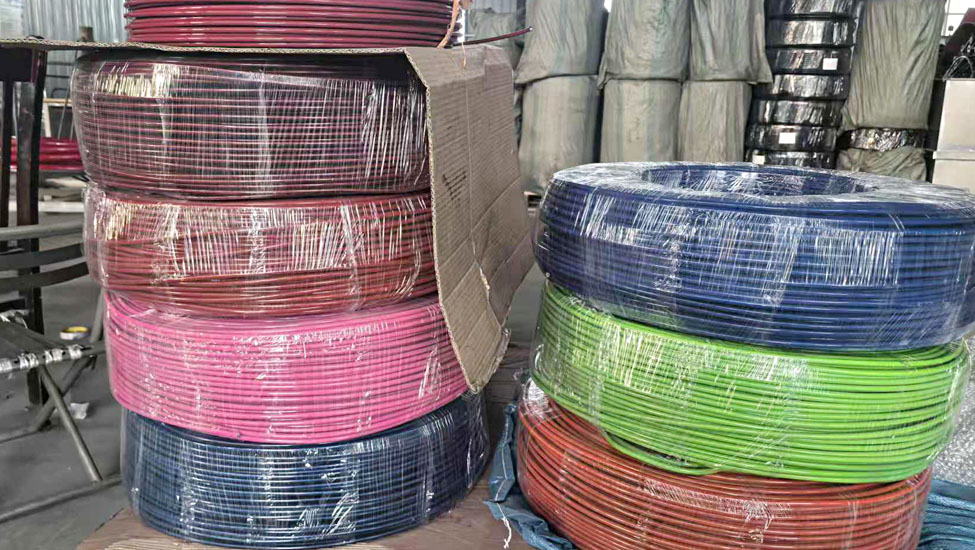
Rubber brake hoses are widely used in original equipment and replacement applications. Their flexibility makes them suitable for many standard motorcycle designs. Buyers should evaluate the hose's pressure rating, fluid compatibility, temperature range, aging resistance, and applicable vehicle requirements.
PTFE and Teflon Brake Lines
PTFE is commonly known by the trade name Teflon. PTFE inner tubing offers chemical resistance and can be suitable for demanding hydraulic applications when the complete assembly is correctly designed and rated. A Teflon Brake Line may be selected for performance-oriented motorcycles and specialized brake line configurations.
When comparing a PTFE Brake Line Assembly with other hose constructions, buyers should examine the inner tube, reinforcement layer, outer protection, fittings, crimping method, and complete assembly test results rather than evaluating the tubing material alone.
Nylon Brake Lines and Tubing
Nylon tubing is used in a range of automotive and motorcycle fluid, pneumatic, and control applications. Its suitability for a particular braking system depends on the specific nylon grade, pressure and temperature ratings, fluid compatibility, and system design. Not every nylon tube is suitable for hydraulic brake service.
A Nylon Brake Line or Nylon Brake Line Assembly should only be used for braking applications when the complete product has been specifically engineered and validated for that purpose. Buyers should confirm the material specification and intended application before ordering.
Stainless Steel Braided Brake Lines
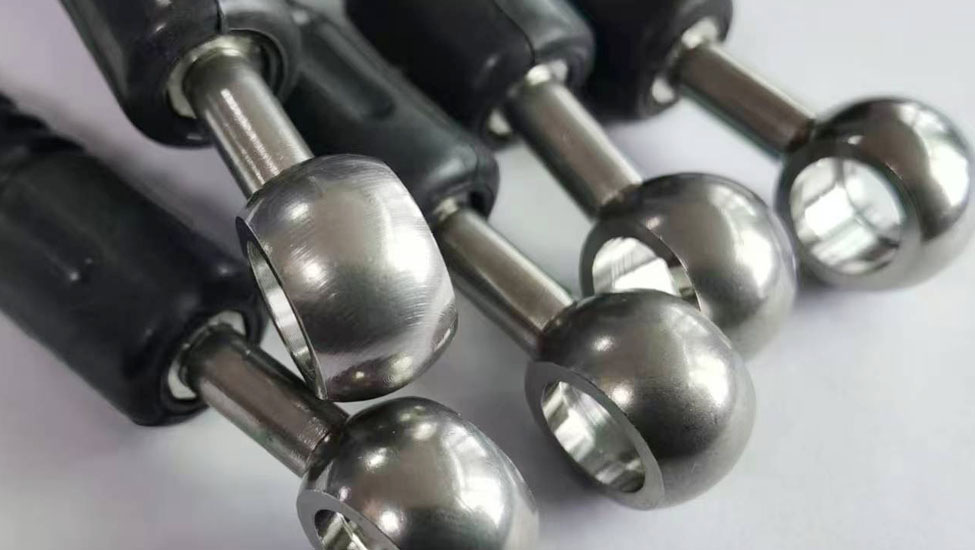
Stainless steel braided brake lines typically combine an inner hose with a stainless steel wire reinforcement layer. Depending on the design, this construction can help limit hose expansion under pressure and provide additional external reinforcement.
For aftermarket motorcycle applications, braided brake lines are often considered by riders and distributors seeking a performance-oriented replacement. Actual braking feel and durability depend on the complete hose assembly, installation, vehicle condition, and product specifications.
2. How to Select the Right Brake Line Material
The best brake line depends on the motorcycle model, hydraulic system requirements, operating environment, and intended use. No single material is automatically the best choice for every vehicle.
Consider Pressure and Temperature Ratings
Brake lines must withstand the operating pressure and temperature range specified for the braking system. Buyers should request documented ratings and relevant test results for the complete assembly, including its fittings and connections.
Check Brake Fluid Compatibility
Material compatibility is essential because brake fluid can affect certain polymers, elastomers, and sealing materials. Confirm that the hose liner, seals, fittings, and other wetted components are compatible with the specified brake fluid.
Evaluate Flexibility and Routing
Motorcycle brake lines must accommodate steering movement, suspension travel, and normal vehicle vibration without kinking, stretching, or contacting hot or moving components. Correct hose length and routing are particularly important for modified motorcycles.
Choose the Right Reinforcement and Outer Protection
Reinforcement affects pressure performance, while the outer layer helps protect the hose from abrasion, moisture, and environmental exposure. Stainless steel braiding and suitable protective coatings may be appropriate for particular applications, provided the design meets the required specifications.
3. OEM and Aftermarket Motorcycle Brake Line Assemblies
For wholesalers, importers, motorcycle parts brands, and aftermarket distributors, selecting a brake hose manufacturer involves more than comparing unit prices. Consistent specifications, reliable assembly quality, customization capability, and documentation are important when developing a long-term supply relationship.
Custom Lengths, Fittings, and Configurations
Different motorcycles require different hose lengths, fitting angles, connection types, and routing arrangements. Before placing an order, buyers should provide accurate drawings, samples, vehicle application details, or approved technical specifications.
Rubber and PTFE Assembly Options
A Rubber Brake Line Assembly may suit applications designed around approved rubber brake hose specifications. A PTFE-based assembly may be considered for applications that require a compatible PTFE liner and suitable reinforcement. The complete assembly must meet the relevant pressure, temperature, fluid compatibility, and durability requirements.
Quality Control for Bulk Purchasing
Professional buyers should ask manufacturers about raw material traceability, fitting dimensions, crimping controls, pressure testing, leakage inspection, and batch consistency. Where applicable, request test reports and evidence of compliance with the standards required in the destination market.
4. Motorcycle Brake Line Requirements in Different Riding Environments
Southeast Asia: Heat, Humidity, and Frequent Use
High ambient temperatures, humidity, rain, and frequent urban riding can increase the importance of corrosion protection, material compatibility, and routine inspection. Buyers supplying this market should consider the actual operating environment and the maintenance needs of local motorcycle users.
Middle East and Africa: Dust, Heat, and Environmental Exposure
In hot and dusty environments, brake hose protection, fitting corrosion resistance, and correct installation deserve attention. Product selection should be based on verified operating limits and the vehicle's intended use rather than assumptions based only on climate.
Japan and South Korea: Fitment and Specification Consistency
Buyers serving Japanese and South Korean motorcycle markets may need to prioritize accurate fitment, consistent manufacturing dimensions, clear technical documentation, and compliance with applicable local requirements. Vehicle model, year, brake configuration, and approved specifications should be confirmed before production.
5. Common Motorcycle Brake Line Problems and Prevention
Hose Cracking, Swelling, or Abrasion
Visible cracks, unusual swelling, exposed reinforcement, abrasion, or fluid leakage may indicate that a brake hose requires immediate professional assessment and replacement. The underlying cause may involve aging, incompatible materials, incorrect routing, or external damage.
Incorrect Hose Length or Fitting Position
A brake line that is too short, too long, twisted, or incorrectly routed can experience excessive tension, rubbing, or interference during steering and suspension movement. Verify fitment throughout the full range of movement before the motorcycle is returned to service.
Leaks and Poor Connections
Leaks can result from damaged sealing surfaces, incorrect fittings, improper installation, or defective assembly. Brake connections must be assembled using the correct components and specified procedures. Any suspected hydraulic leak requires prompt inspection by a qualified technician.
6. Why Work with a Professional Brake Hose Manufacturer?
For B2B buyers, a capable brake hose manufacturer can support product development, specification confirmation, customized configurations, and repeat-order consistency. These capabilities are particularly valuable for motorcycle parts importers, aftermarket brands, distributors, and wholesalers.
- Material options: Selection of suitable rubber and engineered PTFE hose constructions for approved applications.
- Assembly customization: Hose lengths, fitting configurations, and protective finishes based on confirmed specifications.
- Production consistency: Controlled braiding, cutting, crimping, and inspection processes.
- Quality documentation: Relevant specifications, inspection records, and test reports where available.
- OEM and wholesale support: Product development and repeat production for qualified business customers.
When sourcing customized brake lines, buyers should verify that the manufacturer can meet the applicable technical and regulatory requirements for the intended vehicle and destination market.
7. Frequently Asked Questions About Motorcycle Brake Lines
Are stainless steel braided brake lines better than rubber brake hoses?
Not in every situation. Braided constructions can reduce hose expansion when correctly designed, while approved rubber hoses offer flexibility and are widely used in standard braking systems. The right choice depends on the vehicle specifications, product ratings, installation, and intended use.
What is the difference between a PTFE brake line and a Teflon brake line?
PTFE is the technical name for polytetrafluoroethylene, while Teflon is a trade name commonly associated with PTFE products. In brake line descriptions, the terms often refer to a PTFE-lined hose, but buyers should confirm the actual material and complete assembly specifications.
Can nylon tubing replace a motorcycle brake hose?
Only if the specific tubing and complete assembly have been engineered, tested, and approved for the intended hydraulic braking application. General-purpose nylon tubing should not be assumed suitable for brake fluid or braking pressure.
What information should buyers provide when requesting a quotation?
Provide the application or vehicle model, required quantity, hose length, fitting types and angles, material requirements, operating specifications, destination market, and any drawings or reference samples. This information helps manufacturers evaluate fitment and prepare a more accurate quotation.
Conclusion
Selecting the right motorcycle brake line requires a careful evaluation of material, reinforcement, pressure rating, brake fluid compatibility, fitting design, and installation requirements. Rubber, PTFE, and stainless steel braided constructions can serve different applications, but every brake line assembly must be suitable for the intended braking system.
For motorcycle parts importers, distributors, and aftermarket brands, working with a qualified brake hose manufacturer can help simplify customization, improve specification consistency, and support long-term supply planning. Always prioritize verified product performance, correct fitment, and applicable safety requirements when sourcing motorcycle brake lines.