- +86 18903185773
- nina@brakelinefactory.com
- Monday - Sunday 9.00 - 18.00

A soft brake pedal is one of the most common complaints among drivers and performance enthusiasts. When the pedal feels spongy or requires extra travel before braking force builds up, it usually indicates that something in the hydraulic braking system is not functioning efficiently.
For workshops, distributors, and performance parts buyers across Southeast Asia, the Middle East, Japan, and Korea, understanding the root causes of a soft brake pedal can help prevent safety risks and improve vehicle braking response.
The most common cause of a soft brake pedal is air inside the brake fluid system. Unlike brake fluid, air compresses easily. When the brake pedal is pressed, the air pockets absorb pressure instead of transferring it to the brake calipers.
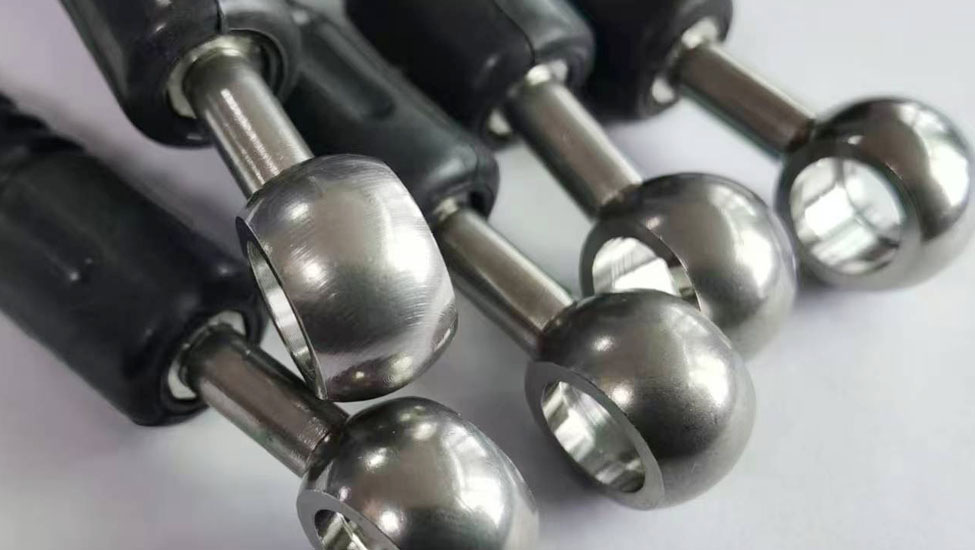
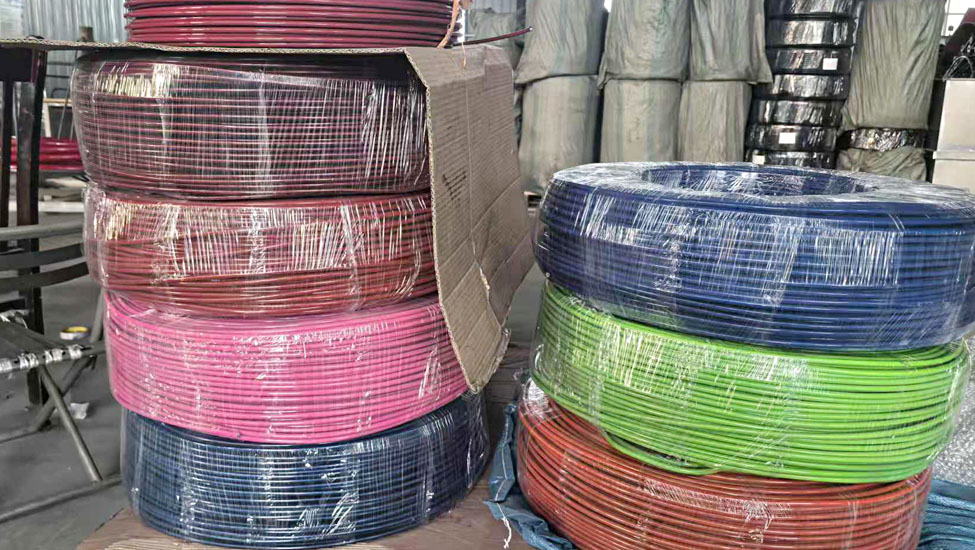
Many performance workshops prefer using Teflon Brake Line or PTFE Brake Line Assembly because PTFE inner tubes reduce expansion and maintain consistent brake pressure.
Traditional rubber brake hoses tend to expand when hydraulic pressure increases, especially after years of use or under high braking temperatures.
This expansion absorbs part of the hydraulic pressure, resulting in a softer pedal feel and slower braking response.
Among these options, braided brake lines with PTFE cores are widely used in motorsports because they provide minimal expansion and improved pedal feedback.
If you are unsure about the correct hose structure or need custom brake hose assemblies, you can send drawings or samples to our engineering team. We can help design suitable solutions for your application. Contact us here.
Brake fluid absorbs moisture over time. Once water contamination increases, the fluid can compress slightly or even form vapor bubbles during high-temperature braking.
Vehicles operating in humid climates such as Southeast Asia are especially vulnerable to moisture contamination.
When selecting aftermarket or performance brake hoses, professional buyers often consider the following factors:
Products like Nylon Brake Line and PTFE Brake Line Assembly are commonly used in performance and aftermarket brake system upgrades.
Most manufacturers recommend inspection every 20,000–30,000 km and replacement every 3–5 years depending on operating conditions.
Yes. High-quality braided brake lines reduce hose expansion, improve pedal feedback, and maintain consistent braking performance.
Most brake hose assemblies are vehicle specific. Custom manufacturing based on OEM dimensions or drawings ensures proper fitment.


Here you can obtain valuable Brake Line Brake Hose technical articles
How Stainless Steel Braided Br
Read More Why Do Motorcycle Brake Lines
Read More How to Choose the Right Motorc
Read MoreInstant Chat Support
+8618903185773
nina@brakelinefactory.com
Get the latest information
Scan the code to follow
Return to the top of the page