Why Do Motorcycle Brake Lines Need Regular Inspection? Signs of Wear, Common Problems and Replacement Tips
Motorcycle brake lines are essential components of a hydraulic braking system. They transfer brake fluid pressure from the master cylinder to the brake caliper, helping the rider control braking force. Over time, exposure to heat, vibration, moisture, road debris, and repeated pressure cycles can affect brake hose condition.
Understanding the common signs of motorcycle brake line wear helps motorcycle owners, repair workshops, spare parts distributors, and importers identify potential problems before they become more serious. For businesses sourcing replacement components, selecting a suitable brake hose assembly with verified specifications is equally important.
1. How Often Should Motorcycle Brake Lines Be Inspected?
Motorcycle brake lines should be inspected according to the vehicle manufacturer's maintenance schedule and whenever the braking system is serviced. Inspection frequency may also depend on riding conditions, vehicle age, environmental exposure, and the type of brake hose installed.
Routine Visual Inspection
During routine maintenance, a qualified technician should check the brake hoses and fittings for visible damage, fluid leakage, corrosion, abnormal deformation, and signs of contact with moving or hot components.
Inspection After Modifications or Repairs
After changing handlebars, suspension components, brake calipers, or other related parts, the brake line routing and length should be verified. The hose must accommodate steering movement and suspension travel without becoming stretched, twisted, kinked, or trapped.
When to Consider Replacement
A brake hose may require replacement if it shows cracks, swelling, leakage, damaged reinforcement, severe abrasion, or other defects identified during inspection. Replacement intervals should follow the vehicle manufacturer's recommendations and any applicable regulations.
2. Five Common Signs of Motorcycle Brake Hose Problems
Cracks or Surface Deterioration
Cracking, hardening, or deterioration of the outer hose surface may indicate aging or environmental damage. Heat, ultraviolet exposure, chemical contamination, and repeated flexing can contribute to material deterioration, depending on the hose construction.
Damaged hoses should be assessed by a qualified technician. A hose with structural damage should not remain in service simply because no fluid leakage is visible.
Brake Fluid Leakage Around Fittings
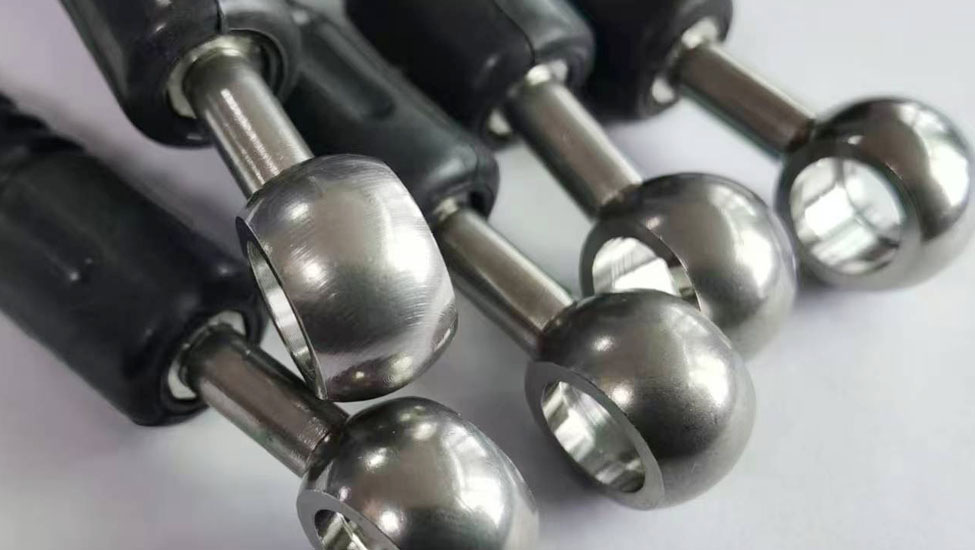
Brake fluid around a hose connection, banjo fitting, or crimped end may indicate a damaged seal, loose connection, defective assembly, or other hydraulic system problem. Any suspected brake fluid leak requires immediate attention, and the motorcycle should not be ridden until the fault has been professionally corrected.
Swelling or Abnormal Hose Deformation
Visible swelling or deformation can indicate deterioration, material incompatibility, or damage. Internal hose deterioration may not always be apparent from the outside, so inspection should follow the manufacturer's service procedures.
A Soft or Spongy Brake Lever
A soft brake lever can result from air in the hydraulic system, fluid problems, leakage, hose expansion, or other brake system faults. The symptom alone does not prove that the brake hose is defective. A complete system inspection is necessary to identify the cause.
Abrasion, Corrosion, or Damaged Braiding
Motorcycle brake lines may contact body panels, suspension parts, or other components if routing is incorrect. External abrasion can damage protective layers, while exposed metal reinforcement may be vulnerable to environmental deterioration. Damaged stainless steel braiding should be evaluated according to the product manufacturer's criteria.
3. What Causes Motorcycle Brake Lines to Wear Out?
Heat and Temperature Changes
Brake hoses operate in an environment affected by engine heat, brake system temperatures, and changing ambient conditions. A suitable brake line must meet the temperature requirements of its intended application. Material selection should be based on documented specifications rather than appearance alone.
Continuous Vibration and Repeated Flexing
Motorcycles experience vibration and movement during normal operation. Incorrect hose length, poor routing, or unsuitable fitting angles can create additional stress at connection points. Correct installation helps reduce unnecessary bending, twisting, and abrasion.
Moisture, Dirt, and Corrosive Environments
Rain, road dirt, humidity, and corrosive contaminants can affect exposed fittings and protective layers. This is an important consideration for motorcycles operating in humid Southeast Asian climates or in dusty environments across the Middle East and Africa.
Incorrect Materials or Poor Assembly Quality
Using incompatible hose materials, unsuitable fittings, or incorrect crimping specifications can compromise the complete brake line assembly. Brake hoses should be selected and manufactured for their intended hydraulic braking application, with suitable quality control and testing.
4. Rubber Brake Lines vs. PTFE and Braided Brake Lines
Different brake hose constructions offer different characteristics. The most appropriate option depends on the motorcycle design, manufacturer requirements, operating conditions, and intended use.
Rubber Brake Line Assembly
A Rubber Brake Line Assembly is commonly used in original equipment and replacement applications. Properly specified rubber hoses offer flexibility and can accommodate the movement required by many motorcycle designs.
When selecting a rubber assembly, buyers should check pressure ratings, fluid compatibility, temperature limits, fitting specifications, and the service requirements of the intended vehicle.
Teflon Brake Line and PTFE Brake Line Assembly
A Teflon Brake Line generally refers to a brake hose incorporating a PTFE inner liner, although product descriptions should always be checked against the actual construction. PTFE can provide useful chemical resistance when the complete assembly is correctly designed for the intended brake fluid and operating conditions.
A PTFE Brake Line Assembly may incorporate reinforcement and protective layers designed to meet specific pressure and environmental requirements. The performance of the finished assembly depends on the liner, reinforcement, fittings, crimping process, and validation testing.
Braided Brake Lines for Motorcycle Applications
Braided brake lines commonly use a reinforced hose construction, often with stainless steel wire braiding. Depending on the design, reinforcement can help limit expansion under pressure and provide additional external protection.
For aftermarket applications, buyers should evaluate the complete assembly rather than assuming that a braided exterior automatically guarantees superior performance. Correct fitment, pressure capability, compatible fittings, and reliable installation remain essential.
Nylon Brake Line and Nylon Brake Line Assembly
Nylon materials are used in various vehicle tubing applications, but general-purpose nylon tubing should not automatically be treated as suitable for hydraulic brakes. A Nylon Brake Line or Nylon Brake Line Assembly should only be selected for a braking system when the specific material and complete assembly have been engineered, tested, and approved for that purpose.
Buyers should confirm the intended application, fluid compatibility, operating pressure, temperature limits, and relevant technical documentation before specifying any polymer-based brake line.
5. How to Choose a Replacement Motorcycle Brake Line
Confirm Vehicle Compatibility
Identify the motorcycle make, model, year, brake configuration, and original hose specifications. Modified motorcycles may require additional measurements because handlebar height, fork geometry, caliper position, or other changes can affect hose routing and length.
Check Hose Length and Fitting Angles
The replacement hose must have the correct overall length, end fittings, connection angles, and routing configuration. Incorrect dimensions may create tension, excessive slack, or interference during steering and suspension movement.
Verify Pressure and Fluid Compatibility
Confirm that the hose, seals, fittings, and complete assembly are suitable for the specified brake fluid and hydraulic operating conditions. Request technical documentation and applicable test results when sourcing products from a manufacturer.
Consider Protective Sleeves and Finishes
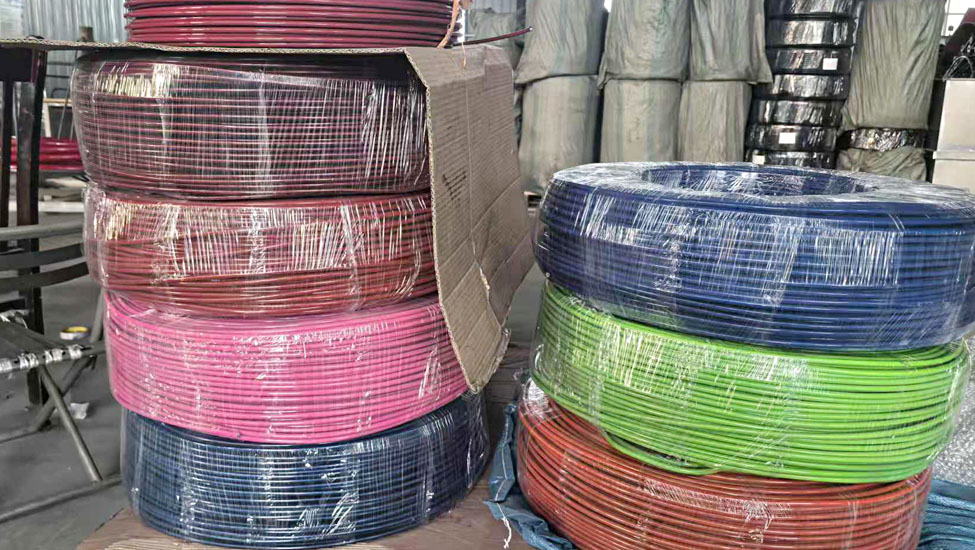
Depending on the application, protective sleeves or suitable outer coatings can help reduce abrasion and environmental exposure. Any selected finish must be compatible with the product design and must not conceal damage that should be identified during inspection.
6. What Should Motorcycle Parts Importers Check Before Ordering?
For motorcycle parts importers, wholesalers, aftermarket brands, and regional distributors, product consistency is important for reducing fitment problems and supporting repeat business. A professional sourcing process should evaluate both technical suitability and the manufacturer's production capability.
Technical Specifications
- Hose construction and material specifications.
- Required lengths, fitting types, and fitting angles.
- Pressure and temperature ratings for the intended application.
- Brake fluid compatibility and applicable safety requirements.
- Protective coating, sleeve, and color requirements where available.
Manufacturing and Quality Control
- Controlled hose cutting, braiding, crimping, and assembly procedures.
- Dimensional inspection and fitting compatibility checks.
- Leakage and pressure testing according to the applicable specification.
- Batch consistency, traceability, and quality documentation.
- OEM customization and repeat-order production capability.
Support for Different Export Markets
Buyers supplying Southeast Asia, the Middle East, Japan, South Korea, and African markets should confirm local requirements, intended vehicle applications, and any relevant certification or documentation before importing brake hose assemblies.
For customized orders, providing technical drawings, samples, vehicle details, target quantities, and fitting specifications can help manufacturers assess feasibility and prepare more accurate quotations.
7. Frequently Asked Questions About Motorcycle Brake Hose Maintenance
Can a motorcycle be ridden with a damaged brake hose?
No. A brake hose showing leakage, structural damage, or other serious defects should be assessed immediately. Do not ride the motorcycle until the braking system has been inspected and any required repairs have been completed by a qualified technician.
Do stainless steel braided brake lines need inspection?
Yes. Braided brake lines still require regular inspection for damaged reinforcement, abrasion, fitting corrosion, leakage, incorrect routing, and other defects. A braided exterior does not eliminate maintenance requirements.
Does replacing a brake hose automatically improve braking performance?
Not necessarily. Replacing a damaged hose with a correctly specified component can restore proper system condition, but braking performance also depends on the master cylinder, calipers, brake pads, fluid, installation quality, and overall system condition.
What information is needed for a bulk brake line quotation?
Provide the required quantity, vehicle application, hose material, length, fitting types, fitting angles, target market, and any drawings or samples. If the product is intended for hydraulic braking, also confirm the required technical ratings and compliance documentation.
Conclusion
Regular motorcycle brake line inspection helps identify cracks, leakage, swelling, abrasion, and other defects that may compromise the braking system. Selecting a replacement requires careful attention to material compatibility, pressure ratings, hose dimensions, fitting design, and correct installation.
For motorcycle parts distributors, importers, and aftermarket brands, working with a qualified brake hose manufacturer can support customized specifications, consistent production, and more reliable product sourcing. Whether evaluating a Rubber Brake Line Assembly, PTFE Brake Line Assembly, or stainless steel braided construction, buyers should prioritize verified technical performance and suitability for the intended braking application.