Why Brake Hoses Fail: Heat, Pressure, Aging, and Everyday Road Conditions
The main reasons brake hoses lose performance
Brake hose failure is usually not caused by one sudden event. In most cases, the problem develops slowly through heat exposure, pressure cycling, road contamination, and material aging. When these factors combine, the hose may still function for a while, but the braking system becomes less reliable.
How each failure factor affects the hose
Heat buildup
High temperature can accelerate rubber hardening and reduce elasticity. Vehicles used in traffic-heavy regions or hot climates often show earlier signs of hose wear. This is one reason buyers in export markets often compare Teflon Brake Line options against conventional rubber construction.
Pressure expansion
Under repeated braking, the hose is exposed to hydraulic pressure again and again. If the hose wall expands too much, the pedal may feel less direct and braking response can become inconsistent. Performance users usually pay attention to this point when choosing a PTFE Brake Line Assembly.
Abrasion and movement
Steering movement, suspension travel, and contact with nearby parts can wear the hose outer surface. A hose that rubs against metal brackets or sharp edges can fail much earlier than expected.
Old age and material fatigue
Even if mileage is not high, rubber material still ages. Cracks, stiffness, and internal deterioration are common signs that the hose has reached the end of its service life.
What buyers usually look for when upgrading
Many distributors and workshops compare hose material, pressure rating, fitting type, and durability before purchasing. In this process, products such as Nylon Brake Line, Nylon Brake Line Assembly, and Rubber Brake Line Assembly are often evaluated side by side for different vehicle categories.
Our main product categories
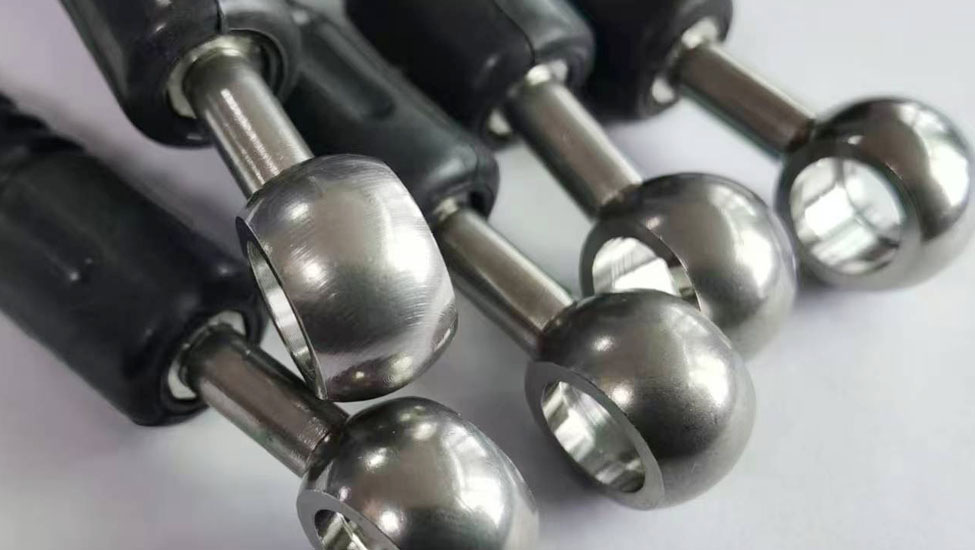
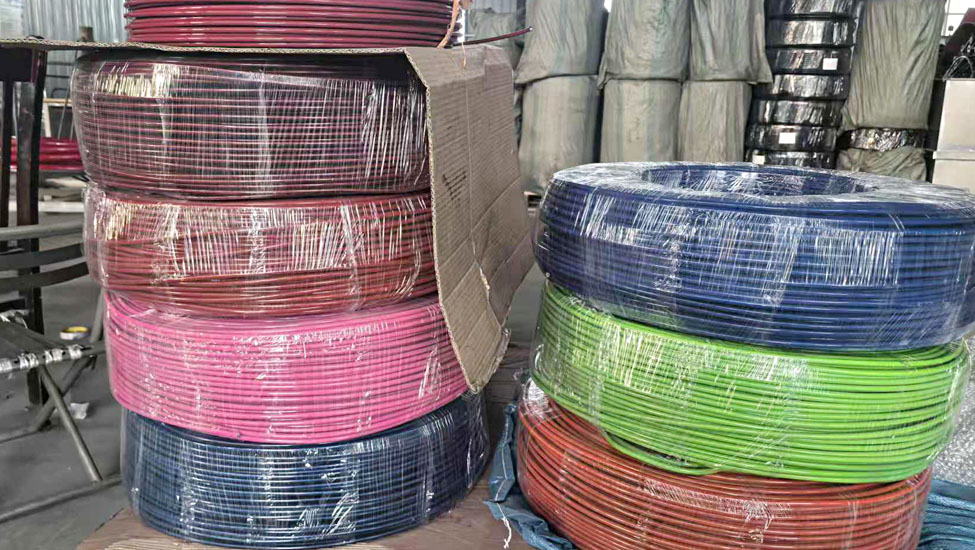
We supply Teflon Brake Line, Nylon Brake Line, PTFE Brake Line Assembly, Nylon Brake Line Assembly, Rubber Brake Line Assembly, and braided brake line solutions for motorcycles, cars, ATVs, and other applications.
Selection tips for overseas buyers
For Southeast Asia, the Middle East, Japan, Korea, and Africa, buyers usually focus on heat resistance, corrosion resistance, fitting compatibility, and stable supply. Product photos, size charts, sample testing, and clear drawings help reduce order mistakes. If the application is performance-related, a braided line with PTFE inner tube is often preferred for better feel and more stable hydraulic response.
Need a custom brake hose solution?
Send us your drawing, sample, or target vehicle model through our contact page: Contact us.
FAQ
What are the early signs that a brake hose is failing?
Common signs include cracks, soft pedal feel, leakage, swelling, stiffness, and uneven braking response.
Is a braided brake line always better than rubber?
Not always. Braided options can improve pressure stability, but the right choice depends on the vehicle, use case, and specification requirements.
Can the same hose be used on different vehicles?
Only if the dimensions, fittings, pressure rating, and routing are matched correctly. Brake hoses should be selected by application, not by appearance alone.