Brake Line Failure Analysis & Troubleshooting: Root Causes & Fixes
As a professional brake line manufacturer serving Southeast Asia, Middle East, Japan, Korea, and Africa, we summarize the most frequent failure modes of brake lines from real-world engineering data and field feedback. Correct diagnosis and material matching can greatly reduce failure rate and improve driving safety.
1. Common Brake Line Failure Modes
1.1 Fluid Leakage at Fittings
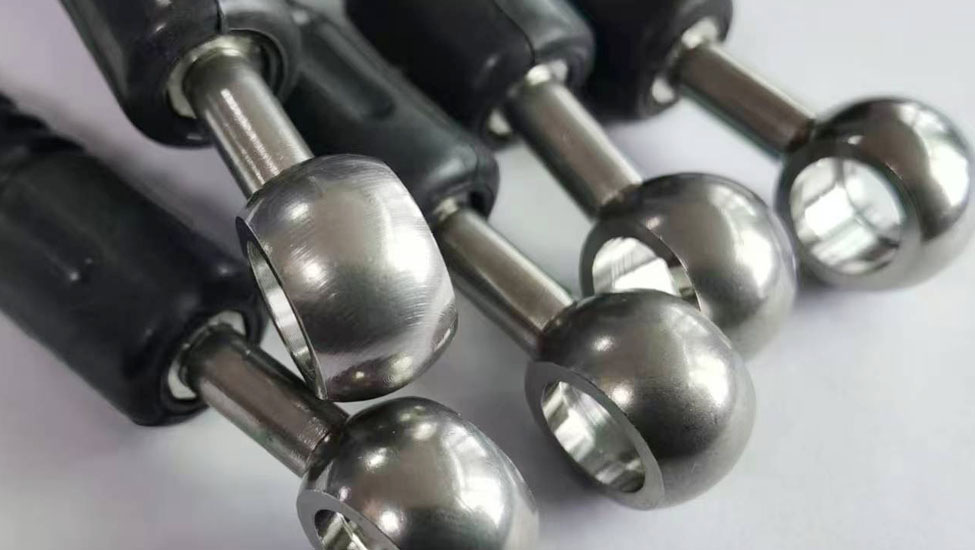
Caused by poor sealing, thread mismatch, deformed ferrule, or insufficient crimping. Common in low-quality assemblies and improper installation.
1.2 Hose Bulge & Rupture
Occurs under high-pressure braking (ABS actuation, heavy load). Original rubber hoses have limited pressure resistance; reinforced braided lines are more reliable.
1.3 Abrasion & External Damage
Improper routing leads to friction with suspension, exhaust, or chassis. Common in modified vehicles with lifted chassis or big brake kits.
1.4 Aging & Material Degradation
Heat, oil, salt spray, and UV radiation accelerate aging. Severe in coastal Middle East and tropical Southeast Asia.
2. Material Matching for Different Failure Scenarios
We recommend matching materials based on working pressure, temperature, and environment:
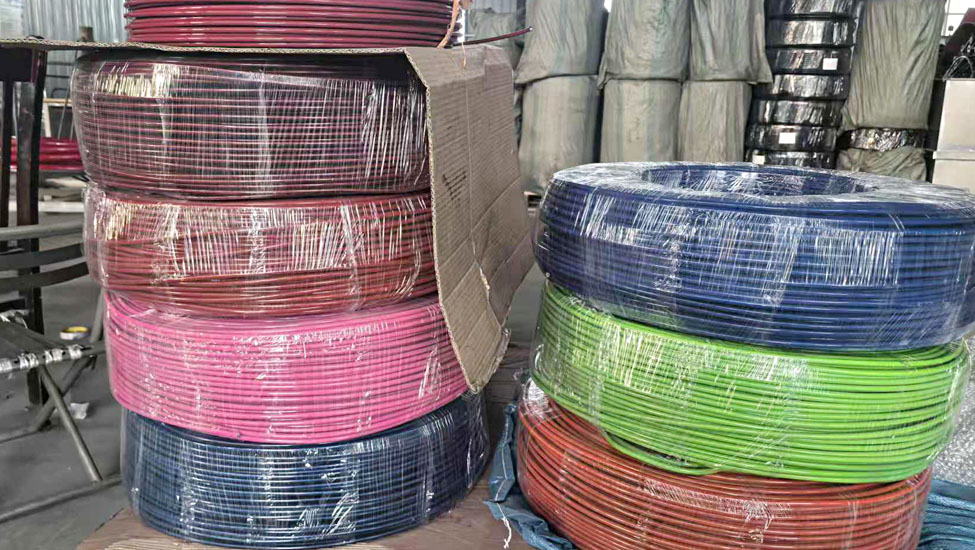
- Teflon Brake Line: Low expansion, high heat resistance, ideal for performance modification
- Nylon Brake Line: Good flexibility, cost-effective for daily vehicles
- PTFE Brake Line Assembly: Full assembly with fittings, ready to install
- Braided Brake Lines: Stainless braid for maximum pressure resistance
3. Purchasing & Installation Tips (Global Market Focus)
3.1 Key Selection Standards
Comply with DOT, SAE J1401, FMVSS 106. Check burst pressure, fitting precision, and corrosion resistance. Avoid uncertified generic products.
3.2 Routing & Protection
Keep away from exhaust (≥30mm), avoid sharp bends, use clips to fix. Prevent twisting during full suspension travel.
3.3 Regional Considerations
Middle East: high temperature & sand resistance; Southeast Asia: humidity & salt spray; Africa: rugged road durability; Japan/Korea: precision fit & OEM-level quality.
4. Daily Maintenance for Long Service Life
Inspect every 10,000 km: check leaks, cracks, abrasion, and fitting tightness. Replace brake fluid regularly to avoid internal corrosion. For modified vehicles, shorten inspection interval.
Custom Solution & Support
If you need technical support, custom dimensions, or assembly drawings, please send your drawings, samples, or vehicle model to us. We provide OEM/ODM for global markets.
Contact Us Now for quotation and technical proposal.
FAQ - Frequently Asked Questions
How often should brake hoses be replaced?
Original rubber: 3–5 years or 60,000 km. Modified braided lines: 5–8 years with regular inspection.
Does upgraded brake hose really improve safety?
Yes. Low expansion improves pedal feel and response; higher pressure rating reduces burst risk under extreme braking.
Are they suitable for all vehicle models?
We offer custom assemblies for cars, motorcycles, off-road, and commercial vehicles. Contact us with your model for fitment confirmation.