Brake Hose Replacement Signs: What Drivers and Buyers Should Not Ignore
Why brake hoses wear out over time
Brake hoses are exposed to heat, pressure, road debris, moisture, and constant suspension movement. In everyday use, these factors slowly reduce hose flexibility and internal strength. For vehicles that operate in hot climates, heavy traffic, or stop-and-go conditions, the aging process can be faster than many drivers expect.
A damaged hose may still look acceptable from the outside, but the internal layer can weaken first. That is why brake hose inspection should not rely on appearance alone. Early replacement is always safer than waiting for a failure.
Common warning signs that a brake hose needs replacement
1. Visible cracks, swelling, or surface damage
Cracks on the outer cover, blistering, or swelling are strong signs that the hose structure is no longer stable. Once the outer layer is damaged, brake fluid pressure can affect the inner lining and increase the risk of leakage.
2. Soft brake pedal or inconsistent braking feel
When a hose expands under pressure, the brake pedal may feel softer than normal. The driver may also notice that braking response changes from one stop to the next. This is a common issue on aged rubber brake hoses and a key reason many buyers consider a Teflon Brake Line upgrade.
3. Fluid seepage or damp areas around fittings
Brake fluid around the hose end, crimp area, or connector should never be ignored. Even a small seepage can grow into a larger leak under pressure. For many export markets, buyers compare PTFE Brake Line Assembly with traditional rubber hoses because of better pressure stability.
4. Uneven braking or pulling to one side
If one hose is restricted internally, the brake pressure on that wheel may respond differently from the others. The result can be pulling, uneven pad wear, or unstable braking performance.
Why replacement matters for safety and performance
A brake hose is a small part, but it directly affects brake pressure transfer. When a hose expands, cracks, or blocks flow, the braking system cannot perform consistently. That is why fleet operators, workshops, and distributors often treat hose replacement as a preventive maintenance item instead of a repair-only item.
Recommended product options for this application
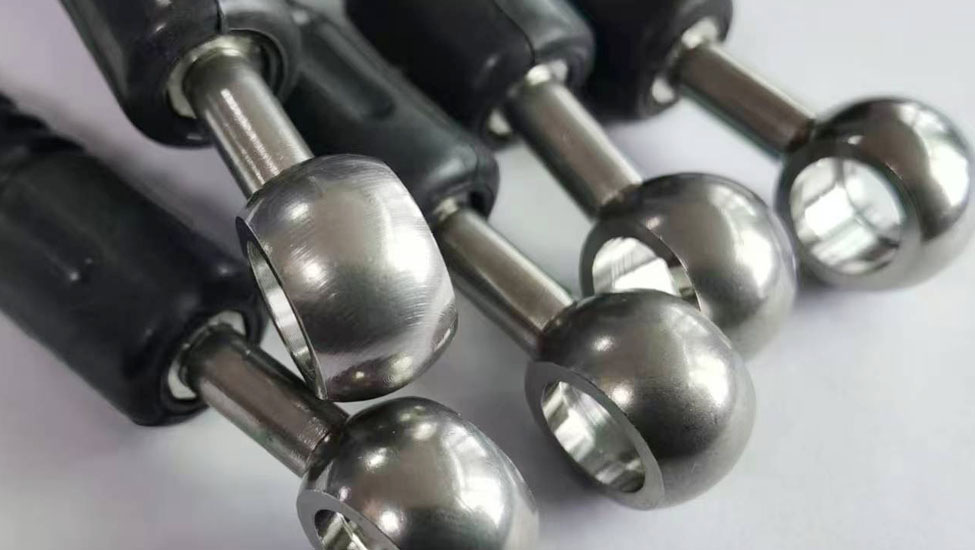
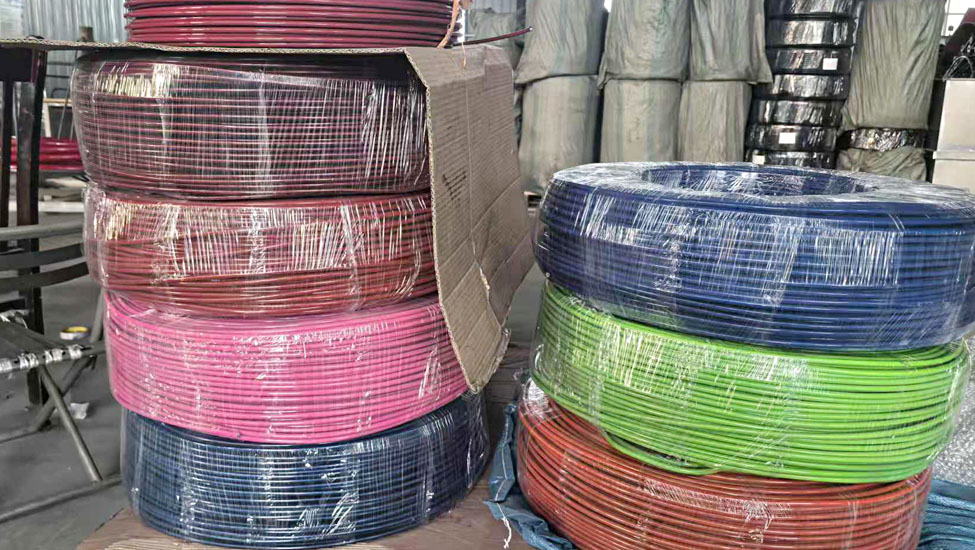
For buyers comparing upgrade options, our product range includes Teflon Brake Line, PTFE Brake Line Assembly, Nylon Brake Line, Nylon Brake Line Assembly, and Rubber Brake Line Assembly. For performance-focused buyers, braided construction is often chosen for firmer pedal feel and better pressure control.
Need a custom specification or OEM-style solution?
If you have a drawing, sample, vehicle list, or size requirement, please contact us for a customized solution: Contact us.
FAQ
How often should brake hoses be replaced?
There is no single universal interval. Replacement depends on vehicle age, road conditions, temperature, mileage, and visible wear. In practice, many technicians recommend inspection at every major service and replacement once cracks, swelling, leakage, or softness appear.
Do upgraded brake hoses really improve safety?
A properly selected upgraded hose can improve pressure stability and pedal feel, especially when compared with an aged rubber hose. The improvement comes from better construction, not from marketing claims alone.
Are brake hoses suitable for all vehicles?
Different vehicles need different dimensions, fittings, pressure ratings, and routing layouts. The correct hose must match the application, so OEM data or a sample is always preferred before bulk order.