How to Maintain Stainless Steel Braided Brake Hoses: A Practical Inspection Guide
Stainless steel braided brake hoses are widely used on motorcycles, performance cars, scooters and other vehicles where consistent brake response is important. Compared with conventional rubber hoses, a properly manufactured braided brake line offers better resistance to expansion and can maintain a more stable hydraulic response under pressure.
However, a braided brake hose is still a safety-critical component. Stainless steel braid does not mean the hose can be installed and forgotten. The inner tube, outer braid, fittings, protective coating and connection points all need to be checked during normal vehicle maintenance.
Why Regular Brake Hose Maintenance Matters
A motorcycle brake system operates under hydraulic pressure every time the brake lever or pedal is applied. Heat, vibration, road debris, moisture, brake fluid and incorrect routing can gradually affect the condition of the brake hose.
For this reason, regular inspection is more useful than simply waiting until a visible problem appears.
Key Areas to Inspect
- Stainless steel braid for damaged or broken wires
- Outer protective coating for cuts, cracks or abrasion
- Brake hose fittings for corrosion or looseness
- Banjo bolts and sealing washers for leakage
- Routing near the wheel, fork and suspension
- Areas exposed to excessive heat
- Signs of brake fluid leakage around connections
How to Clean a Stainless Steel Braided Brake Hose
Cleaning the brake line is relatively simple, but care should be taken around the fittings and protective coating.
Step 1: Remove Dirt and Road Contamination
Road dust, mud and small particles can accumulate around the brake hose and fittings. Use a clean cloth or a suitable mild cleaner to remove surface contamination.
Do not use aggressive chemicals that may attack the outer protective coating or contaminate rubber seals.
Step 2: Check the Stainless Steel Braid
After cleaning, inspect the braid carefully. A small amount of surface discoloration is not necessarily a structural problem, but broken, severely worn or exposed braid should not be ignored.
Step 3: Inspect the Fittings
The connection between the hose and fitting deserves particular attention. Check for corrosion, deformation, movement or signs of brake fluid around the fitting.
For motorcycles used in humid coastal environments, regular inspection is especially useful because salt and moisture can accelerate corrosion on exposed metal components.
Common Problems Found During Brake Hose Inspection
Broken or Damaged Stainless Steel Braid
The stainless steel braid provides external reinforcement around the inner hose. If the braid has been heavily damaged by rubbing against the frame, fork, wheel or other components, the hose should be inspected by a qualified technician and replaced if necessary.
Brake Hose Abrasion
Incorrect routing is one of the common causes of premature brake hose wear. A hose should not continuously rub against a sharp edge or moving component.
Check Hose Movement During Suspension Travel
On motorcycles, the brake hose should be checked with the steering turned from lock to lock and, where appropriate, through the suspension's normal range of movement. The hose should not become stretched, sharply bent or trapped.
Corrosion Around Fittings
The stainless steel braid and the fittings are exposed to the environment, but different materials and surface treatments can behave differently in humid or salty conditions. Corrosion around the fitting area should be investigated rather than covered up.
How Often Should a Motorcycle Brake Hose Be Replaced?
There is no single replacement interval that applies to every motorcycle or every brake hose. Service life depends on hose construction, vehicle use, temperature, installation, environmental exposure and maintenance history.
A brake hose should be replaced when there is visible damage, leakage, severe abrasion, deterioration or when the hose no longer meets the required specification.
For older motorcycles, restoration projects and vehicles with unknown maintenance history, replacing aged brake hoses can be a practical part of a complete brake system inspection.
Choosing the Right Braided Brake Line for Your Application
Not every braided brake hose is the same. Before purchasing, it is important to confirm the inner tube material, reinforcement structure, hose length, fitting type, thread specification, bend angle and vehicle application.
Teflon Brake Line
A Teflon Brake Line uses a low-friction PTFE-based inner tube and can be combined with stainless steel reinforcement for applications requiring stable hydraulic performance and good resistance to many automotive fluids and temperatures.
When selecting this type of hose, confirm the required inner diameter, outer protection and fitting configuration before ordering.
If you are unsure about the specification, you can send us your drawing, sample or required dimensions through our Contact page.
PTFE Brake Line Assembly
A PTFE Brake Line Assembly combines the hose and fittings into a ready-to-install assembly. This is useful for OEM replacement, motorcycle modification projects and bulk orders where fitting configuration and hose length need to remain consistent.
For purchasing departments, it is recommended to confirm the complete assembly specification rather than purchasing the hose alone. Hose length, fitting angle, thread type and sealing method should all be included in the purchase specification.
If you have an existing assembly that needs to be reproduced, providing a sample or drawing can make specification confirmation much easier. Contact us for custom brake line requirements.
Rubber Brake Line Assembly
For applications where flexibility, conventional construction and cost control are more important, a Rubber Brake Line Assembly can be considered.
The correct choice depends on the vehicle design and operating conditions. A braided PTFE line is not automatically the best solution for every vehicle, so the hose construction should match the application.
For bulk purchasing, OEM replacement or private-label projects, we can manufacture brake hose assemblies according to drawings, samples and specified fitting requirements.
Daily Maintenance Tips for Braided Brake Lines
- Keep the brake hose away from sharp edges and moving parts.
- Check the routing whenever suspension or steering components are modified.
- Inspect fittings during regular brake servicing.
- Do not ignore signs of brake fluid leakage.
- Clean road salt and dirt from exposed hose components.
- Replace damaged sealing washers and other service parts when required.
- Use the correct brake fluid specified for the vehicle.
What Motorcycle Riders and Parts Buyers Should Consider
For individual riders, braking response, fitment and durability are usually the main concerns. For distributors and motorcycle parts importers, there are additional factors such as consistency between batches, fitting availability, hose colors, packaging, labeling and OEM capability.
Important Specification Information for Wholesale Orders
- Hose type and inner tube material
- Hose length and tolerance
- Stainless steel braid specification
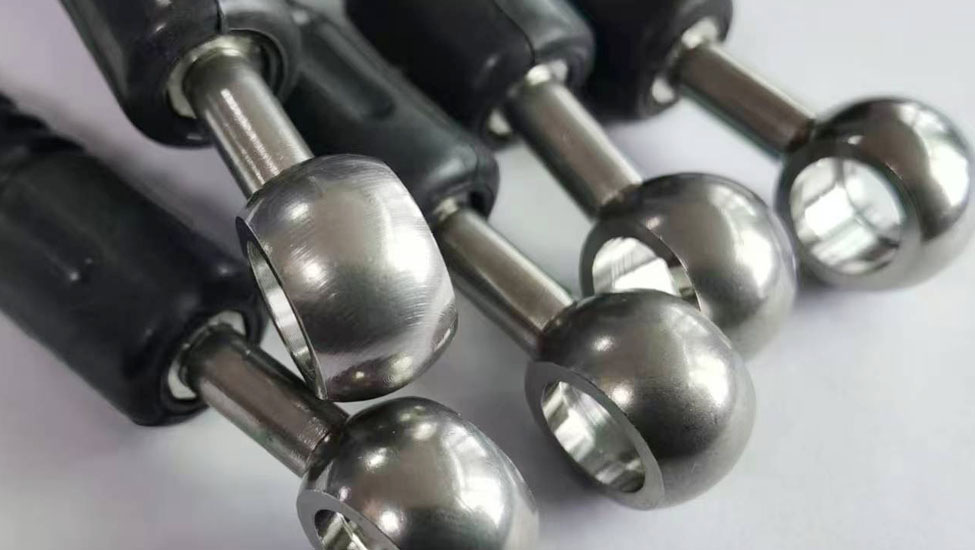
- Fitting material and surface finish
- Thread size and fitting angle
- Banjo configuration
- Protective sleeve or coating requirements
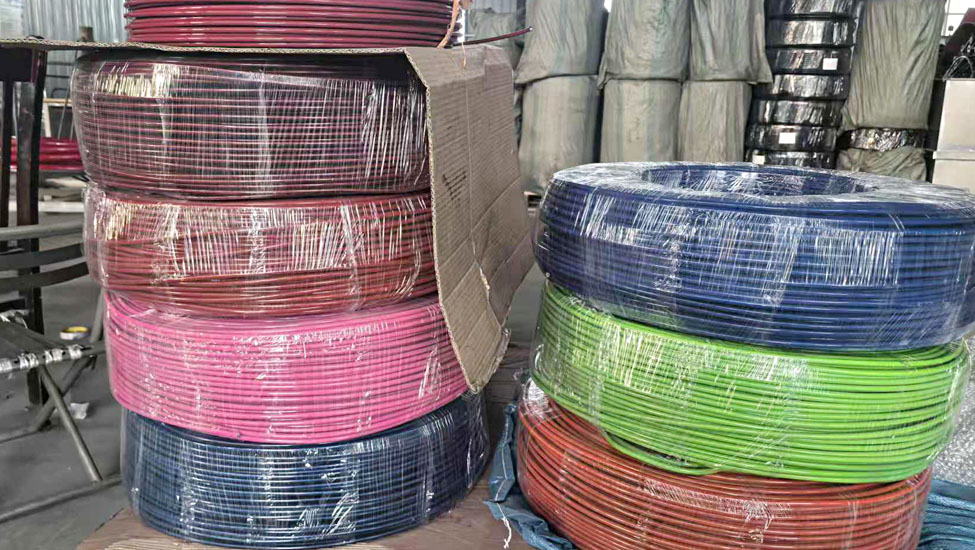
- Color and branding requirements
- Packaging and labeling requirements
FAQ About Stainless Steel Braided Brake Hoses
How often should a motorcycle brake hose be replaced?
There is no universal replacement period. Inspect the hose regularly and replace it when damage, leakage, severe abrasion, deterioration or other safety concerns are found. Older vehicles with unknown service history should receive a more careful inspection.
Does upgrading to a braided brake hose really improve safety?
A properly selected and correctly installed braided brake hose can reduce hose expansion compared with some conventional rubber hose designs and may provide a firmer and more consistent brake lever feel. However, a brake hose is only one part of the braking system. Brake pads, discs, calipers, master cylinders, fluid and correct installation also affect braking performance.
Are stainless steel braided brake hoses suitable for every motorcycle?
Not necessarily. The hose length, fittings, thread specifications, routing and connection configuration must match the motorcycle. A universal hose should not be treated as automatically compatible with every model.
Can you manufacture custom motorcycle brake lines?
Yes. Custom hose length, fittings, colors, protective sleeves and other specifications can be discussed according to the application. If you have a drawing, sample or existing hose, send the details to our Contact page for specification confirmation.
Looking for a Reliable Brake Hose Supplier?
We manufacture motorcycle brake hoses and brake line assemblies for OEM replacement, motorcycle modification, aftermarket distribution and bulk supply. Our product range includes stainless steel braided brake lines, PTFE brake lines, nylon brake hoses and rubber brake hose assemblies, together with different fittings and custom configurations.
If you are an importer, distributor, wholesaler, motorcycle parts dealer or brand owner and need a specific brake hose specification, send us the hose drawing, sample, fitting details or required quantity.