Brake Hose Corrosion Warning Signs: What Should You Check Before Failure?
Brake hose corrosion is often overlooked because the damage may begin underneath the outer surface or around the fittings. On motorcycles, passenger cars, modified vehicles and off-road vehicles, brake hoses are exposed to moisture, road salt, mud, heat, vibration and repeated pressure cycles.
Corrosion does not always mean that a brake hose will fail immediately. However, corrosion around the fittings, crimped areas or exposed reinforcement can reduce the service margin of the braking system. For vehicles used in coastal regions, tropical climates or areas where road salt is common, regular inspection is particularly important.
Why Does Brake Hose Corrosion Occur?
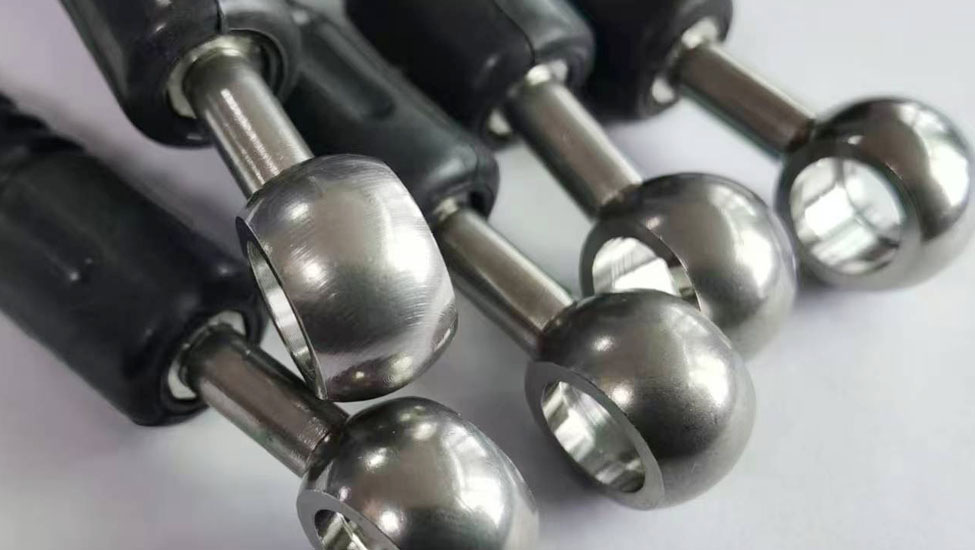
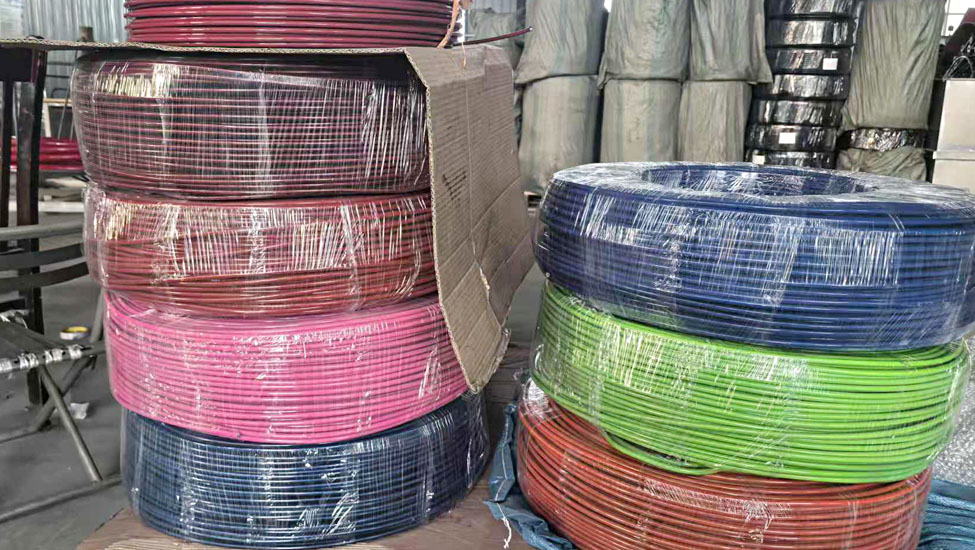
A brake hose normally contains an inner fluid tube, reinforcement layer and protective outer covering. Depending on the construction, the reinforcement may use stainless steel wire or other materials, while the fittings are commonly made from metal alloys or plated steel.
Corrosion can develop when moisture and contaminants remain around the hose assembly for long periods. The problem can become more serious when the protective coating is damaged or when the hose is routed too close to another component.
Common Causes of Corrosion
- Road salt and de-icing chemicals
- High humidity and frequent exposure to water
- Mud and dirt trapped around fittings
- Damaged protective coating
- Incorrect hose routing
- Contact with other metal components
- Long-term exposure to heat and moisture
5 Warning Signs of Corrosion on Brake Hoses
1. Rust Around Brake Hose Fittings
Rust around the connection point is one of the first things to check. Pay particular attention to banjo bolts, adapters, threaded fittings and crimped sections.
Light surface discoloration does not necessarily mean immediate replacement, but visible corrosion should not be ignored. If rust is deep, flaking or combined with fluid leakage, the assembly should be inspected before further use.
2. Damaged or Discolored Outer Covering
A damaged outer coating can expose the reinforcement underneath to water and contaminants. On a braided brake hose, inspect the braid carefully for broken wires, abrasion, discoloration or areas that have become unusually rough.
For applications requiring additional protection, a properly specified Teflon Brake Line can be considered where PTFE inner tube performance and suitable external protection are required.
3. Corrosion at the Crimped Area
The crimp area deserves special attention because it connects the hose body to the fitting. Dirt and moisture can accumulate around this transition point.
If the crimp sleeve shows significant corrosion, deformation or movement between the fitting and hose, the assembly should be removed and professionally inspected.
4. Brake Fluid Leakage
Brake fluid around a fitting or hose connection is a serious warning sign. Leakage can result from damaged seals, incorrect assembly, fitting damage or hose deterioration.
Do not attempt to solve a brake fluid leak simply by tightening components without identifying the actual cause. Brake hose assemblies should be manufactured and installed according to the correct fitting specification and torque requirements.
5. Cracks, Swelling or Surface Damage
Corrosion is not the only concern. Cracks, swelling, cuts, severe abrasion and unusual deformation can indicate that the hose has reached the end of its useful service life.
For replacement applications where a factory-style configuration is preferred, a Rubber Brake Line Assembly may be selected according to the original vehicle specification.
How Corrosion Can Affect Other Brake Components
A deteriorated brake hose should not be considered as an isolated component problem. Contamination, leakage or damaged fittings can affect nearby brake components and may make maintenance more difficult.
When servicing a corroded hose, technicians should also inspect the brake caliper connection, banjo bolts, sealing washers, master cylinder connection and nearby hard lines.
Stainless Steel Braided Brake Lines for Corrosion-Exposed Applications
Stainless steel braided construction is widely used in performance and modified brake systems because the external braid can provide mechanical protection while helping control expansion of the hose under pressure.
For motorcycle and automotive modification projects, PTFE Brake Line Assembly can be specified when a PTFE inner tube and assembled fittings are required.
However, the stainless braid itself is not a guarantee against corrosion. Material grade, braid quality, fitting material, surface treatment, routing and environmental exposure all affect long-term performance.
What Should Buyers Check When Selecting a Brake Hose?
Material and Construction
Buyers should confirm the inner tube material, reinforcement type, outer covering, fitting material and manufacturing method instead of comparing products only by appearance.
Fitting Compatibility
The correct fitting thread, angle, banjo configuration and sealing method are essential. A high-quality hose with the wrong fitting specification is still unsuitable for the application.
Operating Environment
Consider whether the vehicle will be used in a humid, coastal, high-temperature, dusty or muddy environment. This information helps determine the appropriate hose construction and protective covering.
Length and Routing
Brake hoses should have sufficient length for suspension and steering movement without excessive slack. Avoid sharp bends, twisting and continuous contact with moving or hot components.
Daily Maintenance and Inspection
- Check brake hoses during routine servicing.
- Clean dirt and mud from fittings and connection areas.
- Look for fluid leakage around fittings.
- Inspect the outer surface for abrasion and cracks.
- Check whether fittings show signs of corrosion.
- Make sure the hose does not contact tires, wheels or moving suspension parts.
Brake Hose Replacement: When Is It Necessary?
There is no single replacement interval that applies to every vehicle and every brake hose. Service life depends on hose construction, vehicle use, climate, installation and exposure to chemicals or mechanical damage.
A brake hose should be replaced when there is visible structural damage, significant corrosion, leakage, swelling, cracking, damaged fittings or other evidence that its condition no longer meets the application requirements.
Does Upgrading to a Braided Brake Line Improve Safety?
A correctly designed braided brake line can reduce hose expansion compared with some conventional flexible hose constructions and can provide a more consistent hydraulic response under demanding conditions.
However, braking performance depends on the complete system, including the master cylinder, caliper, brake pads, fluid, rotor, hose and installation. A hose upgrade should therefore be selected as part of the complete braking system rather than treated as a standalone performance modification.
Other Brake Hose Options for Different Applications
Different vehicles and projects require different hose constructions. For example, Nylon Brake Line can be considered for applications where a lightweight polymer hose construction is required.
For customers purchasing complete assemblies rather than loose hose, Nylon Brake Line Assembly provides a complete hose-and-fitting configuration based on the required specifications.
Need a Custom Brake Hose?
Brake hose selection is not always straightforward when the project involves modified motorcycles, special vehicle configurations, custom routing or different fitting requirements.
If you are unsure about the hose material, fitting type, length or connection design, send us your drawing, sample or required specifications. Our engineering team can review the application and recommend a suitable brake hose construction.
Contact us for custom brake hose development and quotation.
FAQ: Brake Hose Corrosion and Replacement
How often should brake hoses be replaced?
Replacement should be based on the manufacturer's maintenance requirements and the actual condition of the hose. Inspection is more important than relying on a universal replacement period.
Can a braided brake hose improve braking safety?
A properly specified braided brake hose can provide better resistance to expansion and mechanical protection in suitable applications. However, it must be correctly matched with the complete braking system and installed correctly.
Are braided brake hoses suitable for every vehicle?
Not necessarily. Hose length, fitting type, thread specification, pressure requirements, routing and vehicle compatibility must all be checked before installation.