Corrosion on Brake Components: Warning Signs You Should Not Ignore
Brake system corrosion is easy to overlook because many problems develop gradually. A vehicle may still stop normally while corrosion is already affecting brake hoses, fittings, steel pipes, calipers, or other hydraulic components.
For motorcycles, modified cars, SUVs, and other performance vehicles, the condition of the hydraulic brake system deserves particular attention. Moisture, road salt, high humidity, mud, and long-term exposure to heat can accelerate corrosion around brake components.
For workshops, distributors, and vehicle owners, identifying corrosion early can help prevent fluid leakage, pressure loss, and unexpected brake performance problems.
What Causes Brake Component Corrosion?
Brake components operate in an environment where water, dirt, temperature changes, and road chemicals are common. Even components that appear clean from the outside may develop corrosion around connection points.
Moisture and High Humidity
Vehicles used in tropical and coastal regions are exposed to high humidity for long periods. Water can remain around fittings, brackets, calipers, and hose connections, creating conditions that encourage surface oxidation.
Road Salt and Chemicals
In colder markets, road salt is one of the major causes of corrosion. In other regions, mud, cleaning chemicals, and industrial environments can also contribute to corrosion on exposed metal parts.
Old Brake Fluid
Brake fluid absorbs moisture over time. Excess moisture can reduce fluid performance and contribute to corrosion inside hydraulic brake components. Regular brake fluid inspection and replacement should therefore be part of normal brake system maintenance.
5 Warning Signs of Corroded Brake Components
1. Rust Around Brake Hose Fittings
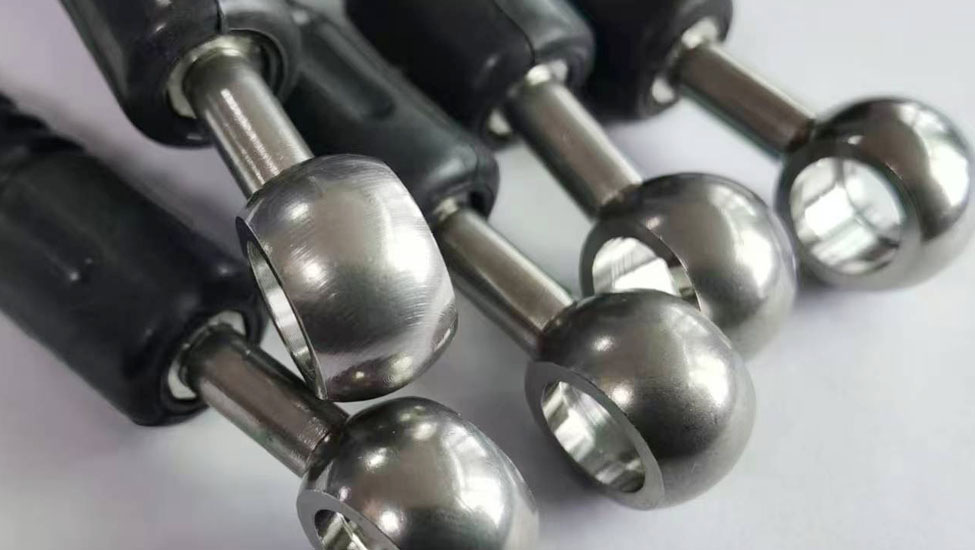
One of the easiest areas to inspect is the connection between the brake hose and the caliper, master cylinder, or other hydraulic components.
Light surface discoloration does not always indicate immediate failure. However, deep rust, pitting, flaking metal, or damaged plating around a fitting should not be ignored.
What to Check
- Rust around the hose fitting
- Deep pitting on metal surfaces
- Damaged or peeling surface treatment
- Fluid stains around the connection
- Cracks or deformation near the fitting
2. Brake Hose Surface Damage
Traditional rubber brake hoses can deteriorate because of age, heat, chemicals, and environmental exposure. Cracks, swelling, abrasion, or unusual softness are signs that the hose should be inspected carefully.
For performance applications, many workshops use stainless steel braided brake lines because the protective outer braid can provide additional mechanical protection when the correct hose construction and installation method are used.
3. Brake Fluid Leakage
Brake fluid around a fitting or hose connection should always be investigated. A small leak can become a serious hydraulic problem if the brake system loses pressure.
Do not assume that tightening a fitting will solve the problem. The sealing surface, fitting type, hose end, and thread specification should all be checked.
4. Soft or Inconsistent Brake Pedal Feel
A soft brake pedal or lever can have several causes, including air in the hydraulic system, old brake fluid, hose expansion, caliper problems, or leakage.
Corrosion may not be the direct cause, but corrosion-related damage to hydraulic components can contribute to pressure loss or leakage.
5. Rust or Pitting on Brake Calipers
Caliper corrosion should also be checked during brake service. Severe corrosion around piston areas, bleeder screws, mounting surfaces, or hydraulic connections can make maintenance more difficult and may affect reliable operation.
How Brake Hose Selection Relates to Corrosion Protection
Replacing a damaged brake hose is not simply a matter of choosing a hose with the correct length. The hose construction, fitting material, coating, end connection, pressure rating, and installation environment all need to match the vehicle application.
Teflon Brake Line for Performance Applications
A Teflon Brake Line uses a PTFE inner tube designed for hydraulic brake applications. PTFE has good resistance to many automotive fluids and can be combined with a stainless steel braided outer layer for performance-oriented applications.
When selecting a Teflon brake line, buyers should confirm the inner diameter, outer diameter, pressure requirements, fitting configuration, hose length, and operating temperature.
PTFE Brake Line Assembly for Ready-to-Install Applications
For distributors and workshops that need complete hose assemblies, a PTFE Brake Line Assembly can be supplied with the required fittings and hose length.
This approach is particularly useful when the customer has a defined vehicle model, brake caliper, master cylinder, or custom routing requirement.
Rubber Brake Line Assembly for Standard Applications
A Rubber Brake Line Assembly remains a practical solution for many standard vehicle applications. Rubber hoses are widely used because they offer flexibility and can be produced for OEM replacement requirements.
What Should Buyers Check Before Ordering Brake Hoses?
Confirm the Hose Construction
Do not compare brake hoses only by appearance. Ask about the inner tube material, reinforcement layer, outer protection, fitting material, and manufacturing process.
Confirm Fitting Specifications
Brake hose fittings are not universal. Thread type, angle, sealing method, banjo specification, and connection design must match the vehicle or brake system.
Confirm Hose Length and Routing
A brake hose should not be installed under excessive tension. It also needs sufficient clearance from wheels, suspension components, exhaust systems, and sharp edges.
Ask About Testing
For aftermarket and export applications, buyers should ask suppliers about pressure testing, dimensional inspection, leakage testing, fitting inspection, and production quality control.
Daily Brake Hose Maintenance
Visual Inspection
Inspect the hose and fittings periodically, especially after driving in heavy rain, muddy conditions, coastal areas, or environments with road salt.
Keep Connection Areas Clean
Dirt and moisture should not be allowed to accumulate around hydraulic connections. During brake service, fittings should be inspected before reassembly.
Replace Damaged Components
Brake hoses showing cracks, swelling, serious abrasion, leakage, or damaged fittings should be replaced rather than temporarily repaired.
Why Custom Brake Hose Solutions Can Be Useful
Aftermarket vehicles often use different brake calipers, master cylinders, suspension components, wheels, and routing configurations. A standard hose may therefore not provide the correct length or fitting combination.
Our production covers Nylon Brake Line, Nylon Brake Line Assembly, PTFE brake hoses, rubber brake hose assemblies, and stainless steel braided brake lines for different vehicle applications.
If you are not sure which hose construction or fitting configuration is suitable, send us your hose drawing, sample, dimensions, fitting specifications, or vehicle application.
Contact our brake hose team for technical confirmation and customized production.
FAQ: Brake Hose Corrosion and Replacement
How often should brake hoses be replaced?
There is no single replacement interval suitable for every vehicle. Hose condition, vehicle age, mileage, operating environment, material, and manufacturer recommendations should all be considered. Inspection is more reliable than replacing a hose only according to mileage.
Does upgrading to a braided brake hose improve safety?
A correctly designed and correctly installed braided brake hose can improve hose durability and reduce expansion compared with some conventional rubber hose constructions. However, the complete brake system, installation quality, fittings, brake fluid, calipers, and other components also affect braking safety.
Are aftermarket brake hoses suitable for all vehicles?
No. Brake hoses must match the vehicle or brake system. Hose length, fitting type, thread specification, routing, pressure requirements, and connection design should be confirmed before ordering.
Can corroded brake hose fittings be reused?
It depends on the severity and location of the corrosion. Deep pitting, damaged threads, deformation, or compromised sealing surfaces are reasons for replacement. A qualified technician should inspect the component before reuse.
What information should I provide when requesting a custom brake hose?
Useful information includes hose length, inner diameter, fitting type, fitting angle, thread size, vehicle model, brake caliper type, master cylinder type, working environment, and required quantity. A drawing or physical sample can make the confirmation process easier.
Brake Hose Manufacturer for OEM and Aftermarket Applications
Brake hose selection should be based on application requirements rather than appearance alone. For distributors, workshops, and vehicle manufacturers, correct material selection, fitting configuration, production consistency, and quality inspection are important factors when developing a brake hose product.
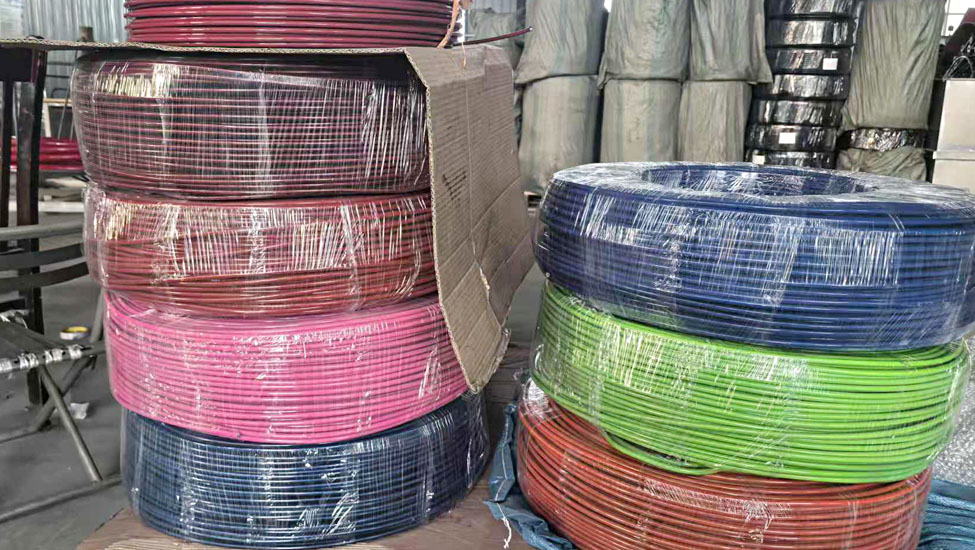
We manufacture brake hose products for motorcycles, cars, SUVs, electric vehicles, ATVs, and modified vehicle applications. Custom hose length, fittings, colors, construction, and packaging can be discussed according to project requirements.
If you have a drawing, sample, vehicle application, or existing hose that needs to be reproduced, contact us and send the details for evaluation.