How to Identify Brake Hose Wear and When to Replace Motorcycle Brake Lines
Motorcycle brake hoses play a critical role in hydraulic braking systems. Over time, heat, vibration, moisture, abrasion, and repeated pressure cycles can affect hose condition and performance. For motorcycle owners, repair workshops, spare parts distributors, and aftermarket brands, recognizing the warning signs of brake hose wear is essential for maintaining braking system safety.
Knowing when to replace motorcycle brake lines also helps importers and distributors select suitable replacement products for different motorcycle models, scooters, and all-terrain vehicles (ATVs). This guide explains common brake hose problems, inspection methods, replacement considerations, and the advantages of properly engineered replacement brake hose assemblies.
1. Why Motorcycle Brake Hoses Need Regular Inspection
A hydraulic brake hose transfers pressure from the master cylinder to the brake caliper or wheel cylinder. The hose must withstand repeated pressure changes while remaining flexible enough to accommodate vehicle movement and installation requirements.
Unlike rigid metal brake pipes, flexible brake hoses are exposed to continuous movement, vibration, environmental conditions, and contact with surrounding components. Their service condition can deteriorate even when the outside of the hose appears relatively clean.
Common Factors That Affect Brake Hose Service Life
- Heat exposure: High ambient temperatures and heat from nearby components can accelerate material aging if the hose operates outside its specified limits.
- Mechanical abrasion: Contact with brackets, body panels, tires, or suspension components can damage the outer covering.
- Environmental exposure: Moisture, road salt, dirt, chemicals, and ultraviolet radiation may affect certain hose materials and metal components.
- Repeated flexing: Steering movement and suspension travel can stress the hose if routing or length is incorrect.
- Improper installation: Twisted hoses, incorrect fittings, excessive bending, and unsuitable clamps can create premature damage.
2. Six Warning Signs of a Worn or Damaged Brake Hose
2.1 Cracks or Splits in the Outer Covering
Visible cracking, splitting, or deep surface damage may indicate that a brake hose has deteriorated. The damage can result from aging, heat, environmental exposure, or mechanical stress.
What to Check
- Cracks that become visible during normal visual inspection.
- Deep cuts, exposed reinforcement, or damaged protective coverings.
- Localized damage near fittings, clamps, or areas where the hose contacts other components.
Do not bend or manipulate an installed brake hose aggressively to search for cracks. If damage is suspected, have the hose inspected by a qualified technician and replace it when required by the applicable service procedure.
2.2 Brake Fluid Leakage Around the Hose or Fittings
Brake fluid around a hose connection, crimped fitting, or hose body can indicate a leak. Possible causes include damaged sealing surfaces, loose or incompatible connections, corrosion, or failure of the hose assembly.
Why Leakage Requires Immediate Attention
A hydraulic brake system depends on maintaining pressure. Fluid leakage can reduce braking performance and may eventually cause partial or complete brake failure.
If brake fluid leakage is found, do not continue riding the motorcycle. Have the braking system inspected and repaired before returning the vehicle to service. Simply tightening a connection is not an appropriate solution until the source of the leak and the condition of the components have been verified.
2.3 Bulging or Abnormal Expansion
A hose that develops a localized bulge, deformation, or abnormal expansion may have internal structural damage. Some internal failures are not visible from the outside, so visual inspection alone cannot confirm that a hose remains safe.
Recommended Action
Do not continue using a hose with suspected structural deformation. Replacement should follow the vehicle manufacturer's service procedures, using an assembly with suitable pressure ratings and verified compatibility.
2.4 Corrosion on Metal Fittings
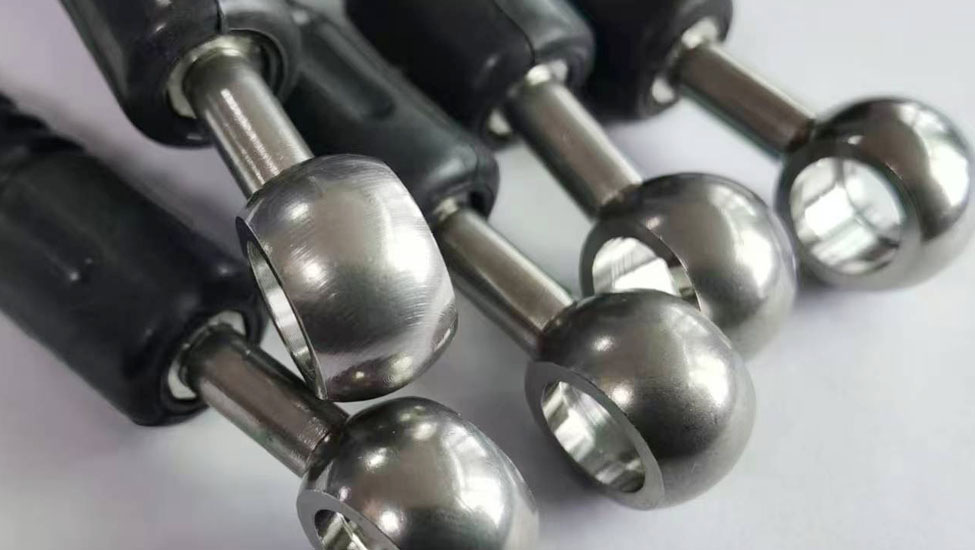
Brake hose fittings, banjo bolts, and nearby metal components can corrode when exposed to moisture, road salt, mud, or unsuitable chemicals. Severe corrosion may compromise the fitting's mechanical integrity or sealing surfaces.
Inspection Points
- Rust, pitting, or flaking on metal fittings.
- Corrosion around connection threads or sealing surfaces.
- Damage near the fitting-to-hose interface.
- Evidence of fluid leakage associated with a corroded connection.
Stainless steel braided brake lines may be suitable for selected aftermarket applications, but stainless steel reinforcement does not make every component corrosion-proof. The inner tube, fittings, fasteners, protective covering, and complete assembly must all be suitable for the intended environment.
2.5 Spongy Brake Lever or Inconsistent Brake Feel
A spongy brake lever or inconsistent braking response can have several causes, including air in the hydraulic system, old or contaminated brake fluid, worn components, leakage, or excessive hose expansion.
Do Not Assume the Hose Is the Only Cause
A technician should inspect the complete braking system before deciding which component requires replacement. Installing a different hose alone may not resolve a problem caused by air, a defective caliper, a master cylinder issue, or another hydraulic fault.
For suitable applications, a properly engineered reinforced hose assembly may help control hose expansion under pressure. However, actual brake feel depends on the complete braking system, component condition, hose design, and correct installation.
2.6 Kinking, Twisting, or Abrasion
A brake hose may be damaged when it is routed incorrectly or installed with excessive tension. Contact with the tire, fork, frame, or suspension can gradually wear the outer covering and potentially damage the hose structure.
Check Hose Routing Throughout Vehicle Movement
- Confirm adequate clearance at full steering lock.
- Check the hose through the intended suspension travel.
- Look for pinching, sharp bends, twisting, and contact with moving components.
- Verify that the hose length and fitting angles match the application.
3. When Should Motorcycle Brake Hoses Be Replaced?
There is no single replacement interval that applies to every motorcycle, scooter, or ATV. Replacement timing depends on the vehicle manufacturer's maintenance schedule, hose type, operating environment, service history, and inspection findings.
Replace or Professionally Assess the Hose When
- Fluid leakage or structural damage is present.
- The hose has deep cracks, bulges, exposed reinforcement, or severe abrasion.
- Metal fittings show serious corrosion or damaged sealing surfaces.
- The hose has been stretched, crushed, kinked, or installed incorrectly.
- The manufacturer's specified service interval has been reached.
- The hose's history or suitability cannot be verified after a significant incident or modification.
Do not rely solely on the hose's appearance or age. Follow the motorcycle manufacturer's maintenance instructions and replace questionable components when a qualified inspection identifies a safety concern.
4. Choosing a Replacement Brake Hose Assembly
When replacing a worn brake hose, selecting a product with the correct dimensions and technical specifications is just as important as choosing the material. An assembly that looks similar to the original may still have incompatible fittings, unsuitable pressure ratings, or incorrect routing characteristics.
4.1 Rubber Brake Line Assembly for Suitable OEM Applications
Rubber brake hose assemblies are widely used in original-equipment and replacement applications. Their flexibility and established use make them a practical option when the hose construction meets the vehicle's requirements.
Buyers sourcing a Rubber Brake Line Assembly should verify the hose specifications, brake fluid compatibility, temperature limits, pressure performance, fitting dimensions, and applicable testing requirements.
4.2 Teflon Brake Line and PTFE Brake Line Assembly
PTFE inner tubes offer good chemical resistance and broad material temperature capability. When combined with suitable reinforcement and correctly assembled fittings, PTFE-based brake lines can be considered for specific performance and aftermarket applications.
Before choosing a Teflon Brake Line or PTFE Brake Line Assembly, confirm that the complete assembly is designed and tested for the intended hydraulic braking system.
4.3 Braided Brake Lines for Qualified Aftermarket Applications
Braided brake lines typically combine an inner hose tube with an external reinforcement layer. The reinforcement can help control hose expansion under pressure, depending on the construction and manufacturing quality.
When purchasing Braided Brake Lines, check the reinforcement specification, inner tube material, fitting compatibility, assembly method, pressure testing, and corrosion resistance of the complete product.
4.4 Nylon Brake Line Products Require Application Verification
Nylon tubing is used in various fluid transfer and pneumatic applications, but general-purpose nylon tubing should not be assumed to be suitable for hydraulic braking systems.
Buyers evaluating a Nylon Brake Line must confirm that the specific product and complete assembly are engineered and qualified for the intended brake application. Material identification alone does not establish brake system compatibility.
5. Brake Hose Inspection for Motorcycles, Scooters, and ATVs
Motorcycles
Motorcycles require particular attention to front brake hose routing because the hose must accommodate steering movement. Inspect the hose for abrasion near the fork, fairing, handlebar, and connection points.
Scooters
Scooters frequently operate in urban traffic and may experience repeated braking and high ambient temperatures. Check hose condition, connection integrity, routing clearance, and compliance with the manufacturer's maintenance schedule.
All-Terrain Vehicles (ATVs)
ATVs may be exposed to mud, gravel, branches, water, and repeated suspension movement. Inspect hoses for abrasion, contamination, damage from debris, and interference during the intended suspension travel.
For all three vehicle categories, inspections should be performed using the appropriate service procedures. Any suspected hydraulic brake fault must be resolved before the vehicle is returned to use.
6. What Distributors and Importers Should Check Before Ordering
For motorcycle parts wholesalers, repair networks, aftermarket brands, and OEM purchasing teams, consistent specifications help reduce fitment problems and improve product quality control.
Technical Information to Confirm with the Manufacturer
- Vehicle fitment: Motorcycle or ATV model, model year, and front or rear brake position.
- Assembly dimensions: Overall length, fitting angles, thread specifications, and connection type.
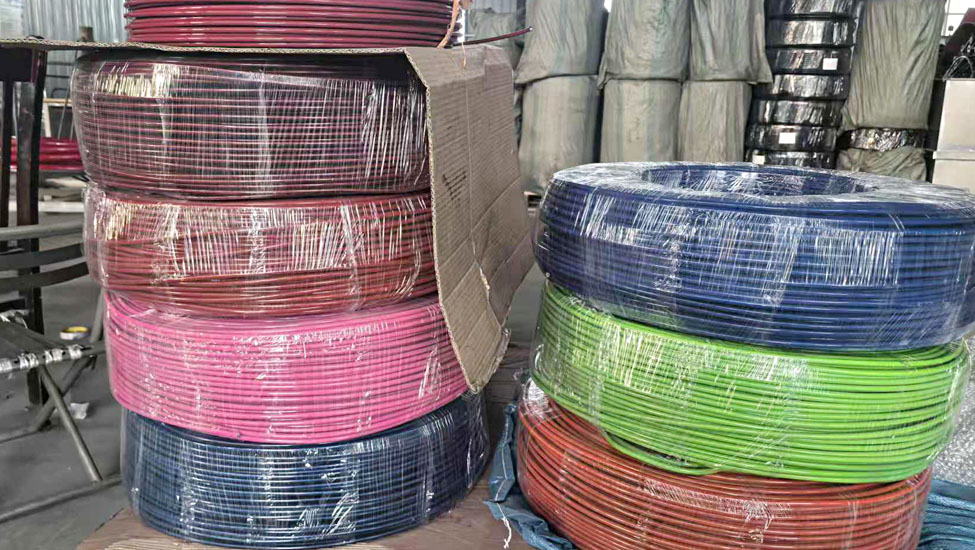
- Material construction: Inner tube material, reinforcement structure, and protective covering.
- Performance documentation: Working pressure, relevant testing, fluid compatibility, and operating temperature limits.
- Quality control: Crimping consistency, leakage checks, dimensional inspection, and traceability where applicable.
- OEM requirements: Custom labeling, packaging, product identification, and batch management.
Why Manufacturing Consistency Matters
A reliable brake hose supplier should be able to communicate product specifications clearly and maintain consistent production processes. For B2B buyers, technical documentation, fitment accuracy, quality control, and repeatable manufacturing are more useful indicators than appearance alone.
For export markets in Southeast Asia, the Middle East, Japan, South Korea, and Africa, buyers should also consider local vehicle compatibility, environmental conditions, packaging requirements, and applicable market regulations.
7. Frequently Asked Questions About Motorcycle Brake Hose Replacement
How can I tell if my motorcycle brake hose is bad?
Common warning signs include fluid leakage, cracks, bulges, severe abrasion, corrosion around fittings, and abnormal deformation. A spongy brake lever can also indicate a braking system problem, but it does not automatically mean the hose is defective.
Can I replace only the damaged section of a brake hose?
Hydraulic brake hose repairs must follow the vehicle manufacturer's approved procedures. Do not splice, patch, or improvise a repair on a brake hose. Replace the affected hose assembly with a correctly specified product when required.
Are stainless steel braided brake lines maintenance-free?
No. Braided brake lines still require inspection for leakage, fitting damage, abrasion, corrosion, routing problems, and other defects. Stainless steel reinforcement does not eliminate the need for regular maintenance.
Do replacement brake hoses need to match the original length?
The replacement must meet the vehicle's dimensional and routing requirements. The hose should not become stretched, kinked, pinched, or exposed to interference during steering and suspension movement. Use manufacturer specifications or verified application data to establish the correct dimensions.
What should I request when buying brake hoses in bulk?
Request drawings or dimensioned specifications, fitting details, pressure and temperature ratings, brake fluid compatibility information, relevant test reports, packaging specifications, and vehicle application data. Confirm minimum order quantities, lead times, and quality-control procedures before placing a production order.
8. Conclusion: Replace Worn Brake Hoses with Properly Specified Assemblies
Brake hose wear can develop through aging, heat exposure, vibration, abrasion, corrosion, and incorrect installation. Regular inspection helps identify visible damage, while professional assessment is necessary when internal deterioration or hydraulic faults are suspected.
When replacing motorcycle brake lines, prioritize vehicle compatibility, verified pressure performance, brake fluid compatibility, fitting accuracy, and correct routing. Rubber brake hose assemblies, PTFE-based products, and reinforced braided brake lines may serve different applications, but each must be qualified for its intended use.
For distributors, importers, and aftermarket brands, working with a specialized brake hose manufacturer can support consistent specifications, custom assembly development, and reliable supply for motorcycle, scooter, and ATV markets.