How to Measure Motorcycle Brake Lines for Custom Brake Hose Replacement
Measuring motorcycle brake lines correctly is an important step when replacing an existing hose or ordering a customized brake line assembly. An incorrect length, unsuitable fitting angle, or incompatible connection can create installation problems and may affect safe brake hose routing.
For motorcycle parts importers, aftermarket brands, wholesalers, and OEM buyers, clear measurement requirements help reduce ordering errors and improve communication with brake hose manufacturers. Whether sourcing a Teflon Brake Line, PTFE Brake Line Assembly, Rubber Brake Hose Assembly, or braided brake lines, buyers should confirm the complete assembly specifications before production.
1. Why Accurate Motorcycle Brake Line Measurement Matters
A motorcycle brake hose must connect the relevant hydraulic components while accommodating the movement of the steering and suspension systems. The required length therefore depends on the vehicle configuration, connection locations, hose routing, and fitting design.
1.1 Preventing an Incorrect Hose Length
A hose that is too short may become stretched or pulled during steering or suspension movement. A hose that is too long may form excessive loops, rub against surrounding components, or interfere with moving parts. Both situations require correction before the motorcycle is returned to service.
1.2 Maintaining Suitable Hose Routing
Correct measurement should account for the intended routing path rather than relying only on the straight-line distance between two connection points. The finished hose must avoid sharp bends, twisting, stretching, abrasion, and contact with hot or moving components.
1.3 Reducing Custom Order Errors
For OEM and wholesale orders, consistent measurement methods help ensure that samples, drawings, and production specifications describe the same product. Clear documentation is especially important when one brake hose design is offered in several lengths or fitting configurations.
2. Tools and Information Needed Before Measuring
Before measuring a brake line, identify the motorcycle application and gather the relevant technical information. Use the vehicle manufacturer's service instructions where available.
2.1 Useful Measuring Tools
- A flexible measuring tape or suitable measuring cord for following the intended routing path
- A ruler or caliper for checking relevant fitting dimensions
- Clear photographs of the existing hose and connection points
- A drawing or measurement sheet for recording dimensions and fitting orientation
- The vehicle model, year, and brake system configuration
2.2 Record the Application Details
Record whether the hose is for the front brake, rear brake, or a complete brake line set. Also note the motorcycle model, year, any relevant brake component changes, and whether the project is an original replacement or an aftermarket modification.
Information to Confirm with the Supplier
- Required hose length and measurement reference points
- Hose construction and material specification
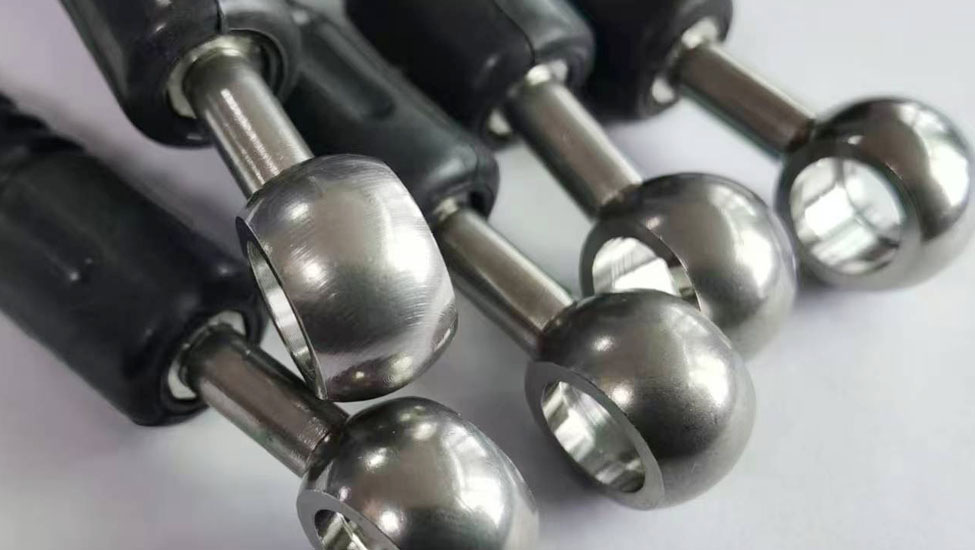
- End-fitting type and connection specifications
- Fitting angle and orientation at each end
- Protective covering, color, and packaging requirements, where applicable
3. How to Measure Motorcycle Brake Hose Length
There is no single measurement method that applies to every fitting design. Before measuring, agree with the manufacturer on whether the requested length is measured between fitting reference points, along the hose centerline, or according to another defined drawing convention.
3.1 Measure Along the Intended Routing Path
Where appropriate, use a flexible measuring tape or cord to follow the planned hose route between the two connection points. Avoid measuring only the direct distance through open space, because the installed hose must follow the actual routing path around the motorcycle.
3.2 Confirm the Fitting Measurement Reference
End fittings have different shapes and dimensions. Depending on the fitting design, the assembly length may be defined between specific fitting centers, sealing faces, or other drawing reference points.
Do not assume that all suppliers measure the finished assembly in the same way. Ask the manufacturer to specify the measurement convention on the drawing or quotation to prevent misunderstandings.
3.3 Check the Hose at Different Steering Positions
For front brake lines, routing should be checked through the steering movement permitted by the vehicle design. The hose must not become stretched, twisted, trapped, or pulled tight as the handlebars move.
Suspension movement and the original routing arrangement should also be considered where relevant. If the motorcycle has modified handlebars, forks, calipers, or other brake components, the original hose length may no longer be appropriate.
3.4 Do Not Add Length by Guesswork
Extra length should not be added arbitrarily. An excessively long hose can create routing and abrasion problems, while an insufficient length can place unwanted tension on the assembly. Determine the required length from the intended installation path and verify the finished routing before use.
4. How to Identify Brake Hose Fittings and Orientation
Correct hose length is only one part of a successful custom order. The fittings must also match the brake components and allow the hose to follow an appropriate route without twisting.
4.1 Confirm Thread and Connection Specifications
Record the relevant thread diameter, pitch, connection design, and sealing arrangement. Visually similar fittings may use different thread standards or sealing methods, so compatibility should be confirmed through specifications, drawings, or verified samples.
4.2 Record Fitting Angles
Depending on the product design, fittings may be straight or angled. The required configuration depends on available space, connection geometry, and hose routing. Photographs can help communicate the intended orientation, but they should be accompanied by measurements or a drawing when accuracy is important.
4.3 Mark the Orientation of Both Ends
For assemblies with angled fittings, record the orientation of each end using an agreed drawing convention. This helps the manufacturer understand how the fittings should align when the hose is installed without unwanted twisting.
Common Ordering Mistakes
- Providing the hose length without stating the measurement reference points
- Choosing a fitting based only on its visual appearance
- Failing to record the orientation of angled fittings
- Assuming the original hose length remains suitable after vehicle modifications
- Omitting the motorcycle model or relevant brake component details
5. Choosing the Right Hose Construction for a Custom Brake Line
After confirming dimensions and connections, select a hose construction suitable for the intended hydraulic braking application. Material, reinforcement, fittings, and assembly procedures must be evaluated as one complete product.
5.1 Teflon Brake Line and PTFE Brake Line Assembly
A Teflon Brake Line commonly refers to a brake line using a PTFE liner. A PTFE Brake Line Assembly includes the hose, compatible end fittings, and the specified assembly process.
When requesting a custom assembly, confirm the liner specification, reinforcement construction, connection details, brake fluid compatibility, and required performance criteria. PTFE material alone does not determine the pressure capability or suitability of the finished product.
5.2 Rubber Brake Hose Assembly
A Rubber Brake Hose Assembly may be suitable for applications designed around an appropriate rubber hose construction. Buyers should confirm the specified dimensions, brake fluid compatibility, operating conditions, pressure capability, and fitting configuration before ordering.
5.3 Braided Brake Lines
Braided brake lines use reinforcement around an inner hose structure. When properly designed, reinforcement can help control hose expansion under pressure. The finished assembly's performance depends on its complete construction, fittings, and manufacturing quality.
For customized braided brake lines, confirm the external dimensions where relevant, fitting type, hose length convention, fitting orientation, and any protective covering requirements.
5.4 Nylon Brake Line and Nylon Brake Line Assembly
Nylon tubing is used in various automotive and industrial applications, but general-purpose nylon tubing should not automatically be used in hydraulic braking systems. A Nylon Brake Line or Nylon Brake Line Assembly must be specifically designed, tested, and approved for the intended brake application.
Before requesting a quotation, confirm the complete product specification and its documented suitability for the relevant brake fluid, operating pressure, temperature, fittings, and vehicle application.
6. Custom Brake Hose Requirements for OEM and Wholesale Buyers
For motorcycle parts distributors, importers, and aftermarket brands, a standardized specification sheet can simplify repeat orders and help manufacturers reproduce the approved configuration.
6.1 Create a Complete Specification Sheet
Include the vehicle application, hose length and measurement convention, hose construction, fitting specifications, fitting orientation, external finish, quantity, packaging, and applicable quality requirements.
6.2 Use Drawings and Samples for Confirmation
When the fitting geometry or routing is difficult to describe in words, provide a technical drawing or a verified sample. Ask the supplier to confirm the dimensions and fitting orientation before production begins.
6.3 Approve the Sample Before Mass Production
Review the pre-production sample against the approved specifications. Confirm the overall length, fitting compatibility, orientation, visible condition, and relevant test documentation. Any changes should be reviewed and approved before mass production.
6.4 Maintain Revision Control for Repeat Orders
When a brake hose design changes, update the drawing or specification revision and clearly communicate the change to the supplier. Revision control helps reduce the risk of receiving an earlier configuration when purchasing replacement or customized assemblies.
7. Quality Checks Before Installing a Replacement Brake Line
Before installation, verify that the supplied assembly matches the approved specification and is free from visible damage. Installation and testing should be carried out by a qualified technician according to the vehicle and component manufacturers' instructions.
7.1 Check the Finished Assembly
- Verify the overall length and fitting configuration.
- Check for visible cuts, abrasion, deformation, or other damage.
- Confirm that threads and sealing surfaces match the intended connections.
- Review the relevant product identification and test documentation.
7.2 Verify Routing After Installation
Confirm that the hose does not twist, stretch, kink, or rub against surrounding components. Check the routing throughout the steering and suspension movement specified by the vehicle manufacturer.
7.3 Complete the Required Brake System Checks
Brake hose replacement involves a safety-critical hydraulic system. Any required fluid filling, bleeding, leakage inspection, and functional checks must follow the vehicle manufacturer's service procedures. The motorcycle should not be returned to service until the braking system has been correctly inspected and verified.
8. Frequently Asked Questions About Measuring Motorcycle Brake Lines
Can I measure the old brake hose and order the same length?
The old hose can provide a useful reference if it is the correct original specification and has not been modified or damaged. Confirm the fitting reference points, routing, and vehicle configuration before using that measurement for a replacement order.
Should brake hose length include the fittings?
That depends on the agreed measurement convention and fitting design. Always confirm the supplier's reference points and document the convention on the drawing or order specification.
What if I have changed my motorcycle handlebars or calipers?
Modified components can change the required hose routing, fitting orientation, and length. Measure the intended installation configuration and verify compatibility rather than assuming that the original brake line will fit.
What information helps a manufacturer quote a custom brake line?
Provide the application, required length, measurement convention, hose construction, fitting details, orientation, quantity, and any relevant quality or packaging requirements. Drawings and verified samples can help clarify complex specifications.
Conclusion
Accurate motorcycle brake line measurement requires more than checking the distance between two connection points. Buyers should consider the actual routing path, fitting dimensions, thread specifications, end orientation, steering movement, and the requirements of the intended braking system.
For OEM projects and aftermarket replacement products, a clear specification sheet and approved sample can help reduce ordering errors and support consistent production. Whether sourcing a Teflon Brake Line, PTFE Brake Line Assembly, Rubber Brake Hose Assembly, Nylon Brake Line, or braided brake lines, confirm that the complete product is suitable for its intended application before ordering and installation.