How to Choose the Right Brake Hose Material for Motorcycles, Scooters and ATVs
Choosing the right brake hose material is an important part of building a reliable braking system for motorcycles, scooters and ATVs. Different vehicles operate under different loads, temperatures, riding conditions and installation environments, so one brake hose material may not be suitable for every application.
For aftermarket and performance applications, common brake hose constructions include rubber, PTFE, nylon and stainless steel braided designs. Understanding the differences between these materials can help riders, workshops, distributors and OEM buyers select the right brake line for their application.
Why Brake Hose Material Matters
A brake hose transfers hydraulic brake pressure from the master cylinder to the caliper or wheel brake assembly. The hose must withstand hydraulic pressure while remaining flexible enough to follow suspension movement and steering changes.
The material and construction of a brake hose can affect pressure stability, temperature resistance, flexibility, durability and installation requirements.
Key Factors to Consider
- Hydraulic pressure requirements
- Operating temperature
- Flexibility and bending requirements
- Resistance to abrasion and environmental conditions
- Vehicle type and application
- Brake hose length and routing
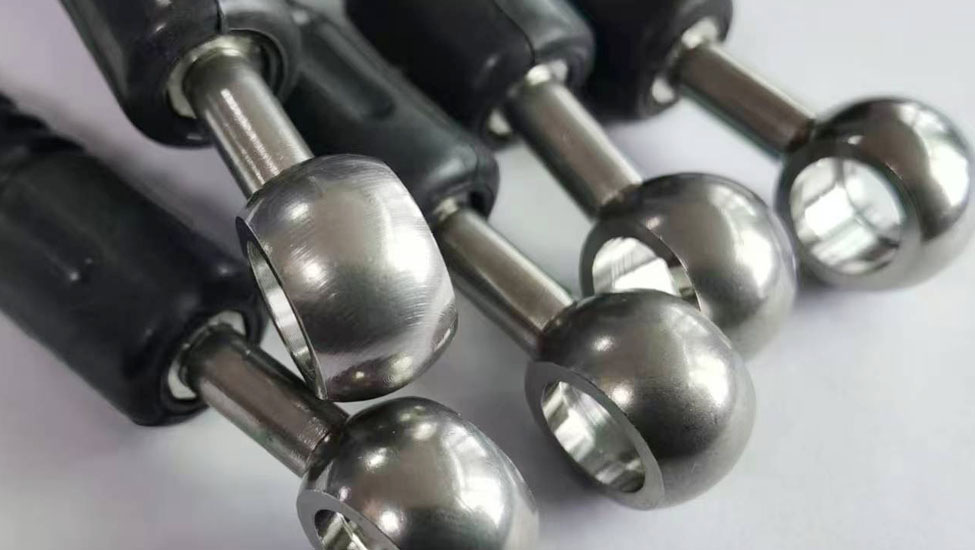
- Fitting and banjo compatibility
- OEM or aftermarket requirements
Rubber Brake Hose for Standard Motorcycle and Scooter Applications
Rubber remains one of the most common materials for original-equipment brake hose applications. It provides good flexibility and is suitable for many standard motorcycles and scooters.
Advantages of Rubber Brake Hose
- Good flexibility
- Easy installation
- Suitable for many OEM applications
- Cost-effective for high-volume production
- Available in a wide range of specifications
When Should You Choose Rubber?
Rubber brake hoses are often suitable for standard street motorcycles, scooters and applications where the original brake system specification is the priority.
For replacement and OEM projects, a properly specified Rubber Brake Line Assembly can provide a practical solution when flexibility, compatibility and production cost are important considerations.
PTFE Brake Hose for Performance Applications
PTFE, also known as polytetrafluoroethylene, is widely used as the inner tube material in high-performance hydraulic brake hoses. PTFE has excellent chemical resistance and can maintain stable performance across a relatively wide temperature range.
Why Is PTFE Used in Brake Lines?
The low-friction and chemically resistant characteristics of PTFE make it suitable for hydraulic brake applications. When combined with an appropriate reinforcement layer and outer protection, PTFE can be used to manufacture high-performance brake lines for motorcycles and other vehicles.
PTFE Brake Line Applications
- Performance motorcycles
- Racing and track applications
- Modified motorcycles
- Custom brake systems
- Applications requiring specific hose specifications
For customers looking for a complete hose solution, a PTFE Brake Line Assembly can be manufactured according to required length, fitting configuration, banjo angle and application requirements.
Nylon Brake Hose for Flexible and Custom Applications
Nylon is another material used in hydraulic hose and brake line applications. Depending on the construction, nylon can provide a combination of flexibility, durability and resistance to environmental conditions.
Why Consider Nylon Brake Lines?
Nylon brake hose constructions can be useful when flexibility, weight and customized specifications are important. They are particularly interesting for manufacturers and aftermarket suppliers developing different vehicle-specific brake line configurations.
Nylon Brake Line Applications
- Motorcycles
- Scooters
- ATVs
- Custom vehicle applications
- OEM and aftermarket brake systems
A Nylon Brake Line or Nylon Brake Line Assembly can be produced in different lengths, fitting configurations and outer coating options depending on the application.
Stainless Steel Braided Brake Lines for Modified Motorcycles
For motorcycle modification and performance applications, stainless steel braided brake lines are a popular choice. A typical construction combines an inner tube with a stainless steel braided reinforcement layer and an optional protective outer coating.
Benefits of Braided Brake Lines
- Improved resistance to hose expansion under pressure
- Consistent hydraulic pressure transfer
- Good resistance to abrasion and external damage
- Suitable for performance and aftermarket applications
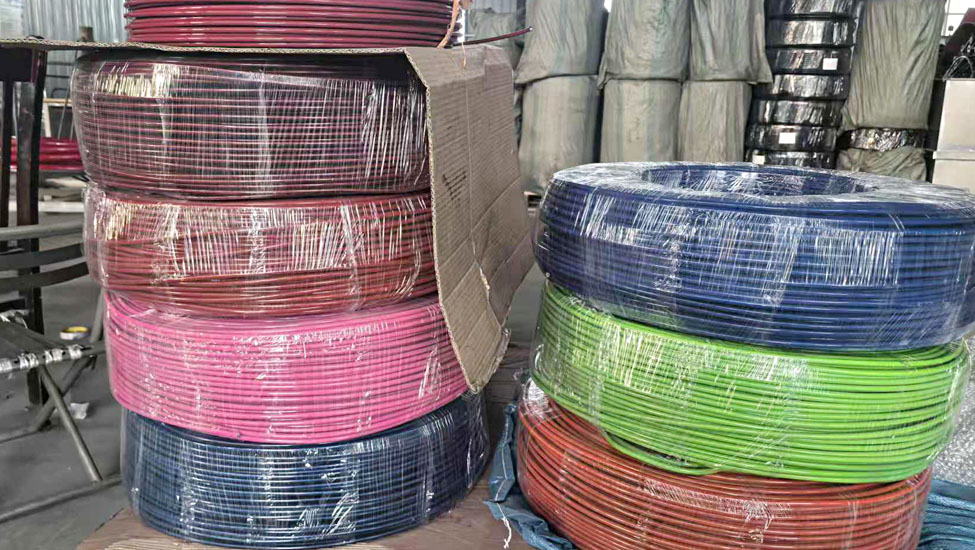
- Available in different lengths, fittings and colors
When Are Braided Brake Lines a Good Choice?
Braided brake lines are particularly suitable for modified motorcycles, performance motorcycles, racing applications and customers looking for customized brake hose configurations.
For motorcycle workshops, distributors and importers, stainless steel braided construction can also provide a flexible platform for developing vehicle-specific aftermarket brake line kits.
How to Choose Brake Hose Material for Different Vehicles
Motorcycles
Motorcycle brake hose selection depends on the motorcycle type, brake system design, riding conditions and whether the hose is being used as an OEM replacement or performance upgrade.
Standard street motorcycles may use rubber or other OEM-type constructions, while modified and performance motorcycles may benefit from PTFE-based or stainless steel braided brake line constructions.
Scooters
Scooters usually require compact and flexible brake hose routing because of their steering and front suspension design. Hose length, bending radius and fitting configuration should be checked carefully before production or replacement.
ATVs
ATVs operate in environments where mud, dust, water, vibration and mechanical impact can be important considerations. Brake hose construction should therefore be selected according to the vehicle's routing and environmental requirements.
Brake Hose Material Selection for OEM and Aftermarket Buyers
For OEM manufacturers, distributors and aftermarket importers, material selection should be based on more than price alone. The complete brake hose specification should be evaluated before placing a production order.
Recommended Specification Checklist
- Inner tube material
- Reinforcement structure
- Outer coating material
- Hose length
- Inner and outer diameter
- Fitting type
- Banjo angle
- Thread specification
- Operating temperature
- Vehicle application
Conclusion
There is no single brake hose material that is ideal for every motorcycle, scooter or ATV. Rubber brake hoses are widely used for standard OEM applications, while PTFE, nylon and stainless steel braided constructions can provide different combinations of flexibility, chemical resistance, durability and performance characteristics.
The best choice depends on the vehicle, braking system, installation environment and required specifications. For aftermarket and OEM projects, working with an experienced brake hose manufacturer can also make it easier to customize hose length, fittings, colors and construction.