- +86 18903185773
- nina@brakelinefactory.com
- Monday - Sunday 9.00 - 18.00

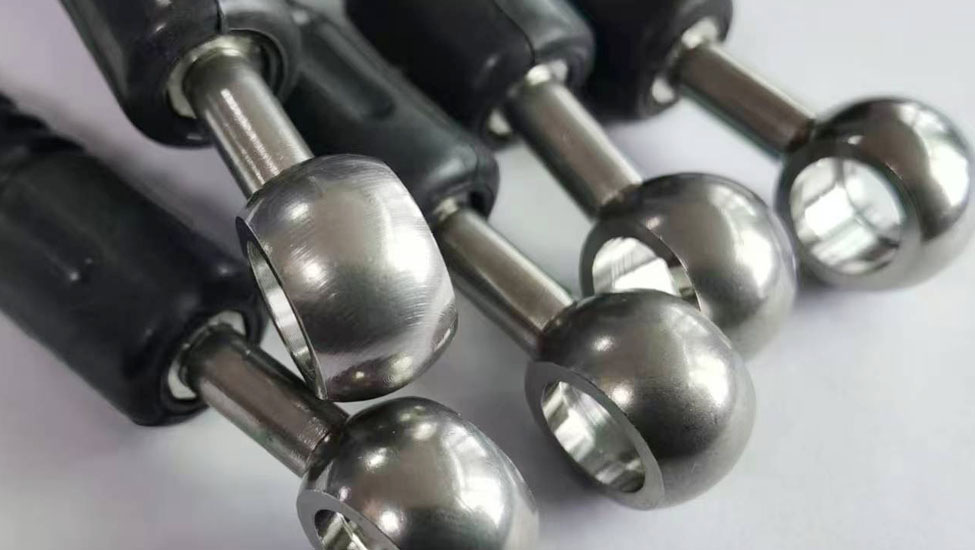
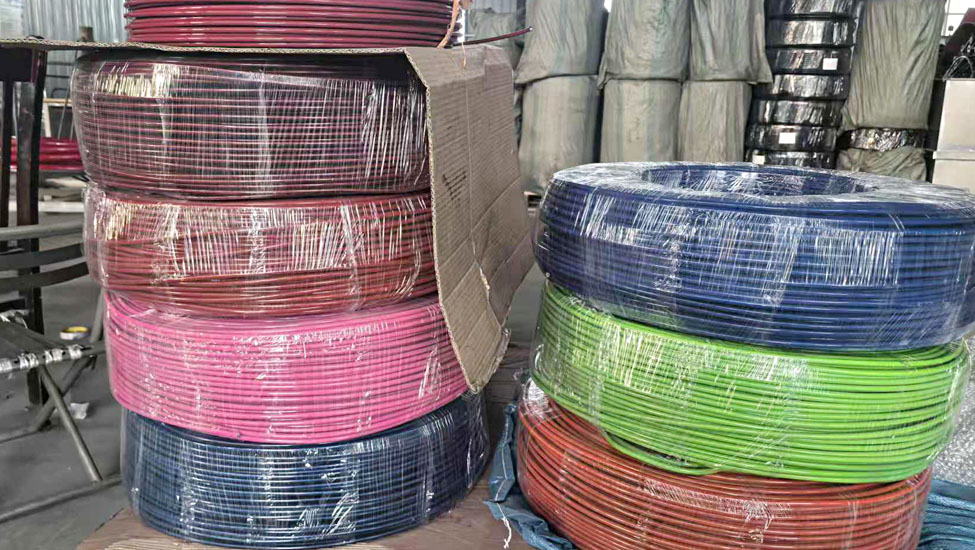
For our clients in Africa and the Middle East dealing with rough terrain, the most common cause for replacement isn't age—it's impact. A standard Rubber Brake Line Assembly can be punctured by a sharp rock or abraded by a loose heat shield or suspension component.
Unlike a slow internal leak, this is often a sudden, total loss of brake pressure. Another frequent issue we see in workshops is improper installation. If a hose is twisted 90 degrees or bent beyond its minimum bend radius (e.g., too close to a control arm), it creates a mechanical kink that blocks fluid flow, causing the pedal to go rock hard.
For vehicles subjected to harsh conditions, a standard rubber hose is inadequate. We recommend upgrading to a Teflon Brake Line with a stainless steel outer shell, or a dedicated set of braided brake lines.
This provides:
A Nylon Brake Line Assembly is also an excellent choice for its flexibility and resistance to kinking in tight engine bays.
Lifted trucks and custom suspensions change hose geometry. A standard replacement may be too short, causing tension and premature failure. Send us a sample of your existing line or a hand-drawn sketch with measurements. Our engineers will confirm the specs for your PTFE or braided upgrade. Request a Custom Quote.
Installation Best Practice: Route the hose so it has at least 1 inch of clearance from any moving suspension parts or sharp edges. Use the provided clips and brackets—never zip-tie a brake hose directly to a metal frame.


Here you can obtain valuable Brake Line Brake Hose technical articles
How Stainless Steel Braided Br
Read More Why Do Motorcycle Brake Lines
Read More How to Choose the Right Motorc
Read MoreInstant Chat Support
+8618903185773
nina@brakelinefactory.com
Get the latest information
Scan the code to follow
Return to the top of the page