Beyond the Bulge: The Chemical and Environmental Warfare Inside Your Brake Hose
Why Heat, Humidity, and Bad Fluid Are the Real Causes of Hose Failure
In the extreme climates of our key markets—the desiccating heat of the Middle East, the salt-laden humidity of coastal Africa and Asia, or the freeze-thaw cycles of Japan and Korea—brake hoses face a relentless assault. The visible "bulge" is often the final symptom of a long, invisible chemical breakdown process happening inside the hose wall. To choose the right replacement, you must understand the enemies: heat, moisture, and electrolytic corrosion.
The Invisible Culprits: A Chemical Breakdown
- Heat-Induced Polymer Breakdown: Constant under-hood temperatures well over 100°C cause the polymers in a standard rubber hose to break down. They lose plasticizers, become hard and brittle, and their bond with the reinforcing fibers weakens. A brittle, detached inner liner is the first step towards failure.
- Moisture & Electrolytic Corrosion: Brake fluid absorbs water. Inside the hose, this moisture acts as an electrolyte, enabling galvanic corrosion between the different materials: the rubber, the adhesive, and the metal or textile reinforcing fibers. This corrosion eats away at the braid from the inside out, destroying its tensile strength and leading to the bulge under pressure.
- Fluid Compatibility and Swelling: Incompatible or low-quality brake fluid can cause certain rubber compounds to soften and swell excessively. While different from pressure-induced ballooning, this swelling indicates a compromised material that is more likely to fail.
Climate-Specific Failure Acceleration
- Middle East / Africa (Heat & Dust): Extreme heat accelerates polymer breakdown. Dust abrasion can wear the outer jacket, exposing the reinforcement to further damage.
- Southeast Asia / Coastal Regions (Humidity & Salt): High humidity leads to rapid brake fluid contamination. Salt spray promotes external corrosion of fittings and can ingress, accelerating internal corrosion.
- Japan / Korea (Thermal Cycling & Road Salt): Frequent temperature swings fatigue materials. Winter road salt is highly corrosive to both external fittings and, if ingested, internal components.
The Strategic Upgrade: Building a Chemical Fortress
You combat chemical attack with chemically inert materials. This dictates your upgrade path:
| Material | Chemical Resistance | Best For Climate | Our Product |
|---|
| Standard Rubber | Poor. Degrades with heat, moisture, and fluid acids. | Temperate, short-term solution only. | Rubber Brake Line Assembly |
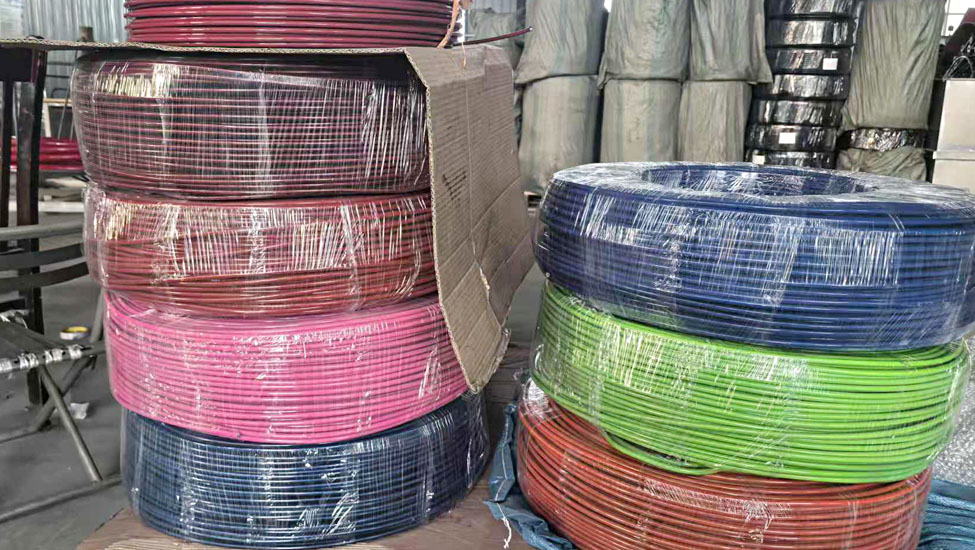
| Reinforced Nylon | Very Good. Highly resistant to fluid and moisture. | Excellent all-rounder for humid, hot, or variable climates. An ideal OEM+ upgrade. | Nylon Brake Line & Assembly |
| PTFE (Teflon) | Exceptional. Inert to all known brake fluids and chemicals. | The ultimate solution for extreme heat, corrosive environments, and maximum longevity. | Teflon Brake Line & PTFE Assembly |
Pairing a PTFE or Nylon inner line with a stainless steel braided brake line exterior provides a dual defense: chemical inertness inside, and corrosion/abrasion resistance outside.
Buyer's Guide: What International Customers Should Prioritize
When sourcing brake lines, especially for wholesale or demanding markets, look beyond the price:
- Demand Material Certification: Ask for proof of the inner liner material (PTFE or SAE-spec nylon).
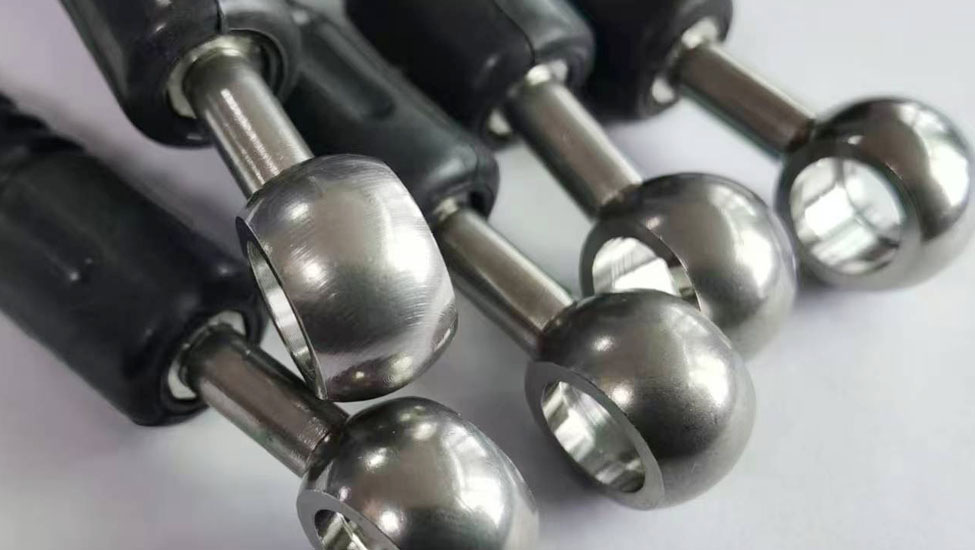
- Check Fitting Quality: Fittings should be machined, not cast, and made of corrosion-resistant material (stainless steel or zinc-plated).
- Verify Testing Standards: Hoses should be pressure and impulse tested. Our comprehensive testing methods are designed to meet global standards.
- Consider the Full Kit: Replacing all flexible lines with a matched PTFE Brake Line Assembly ensures consistent performance and material age across the vehicle.
Need guidance for a specific market or a fleet with mixed vehicles? Here you can obtain valuable Brake Line Brake Hose technical articles and direct factory support. Our team leverages strong technical development capabilities to advise on the optimal product mix. Contact us with your regional challenges and vehicle portfolio.
FAQ: The Universal Application Question
- Q: Are Teflon or Nylon braided brake line kits suitable for all vehicle types, including older classics or heavily modified cars? A: Yes, without exception. While we stock kits for many popular models, our factory’s capability is defined by customization. We support non-standard development. If a vehicle is modified, lifted, or is a rare classic, we can manufacture a brake line to the exact length and fitting specification required. Send us a drawing or the old sample.