- +86 18903185773
- nina@brakelinefactory.com
- Monday - Sunday 9.00 - 18.00

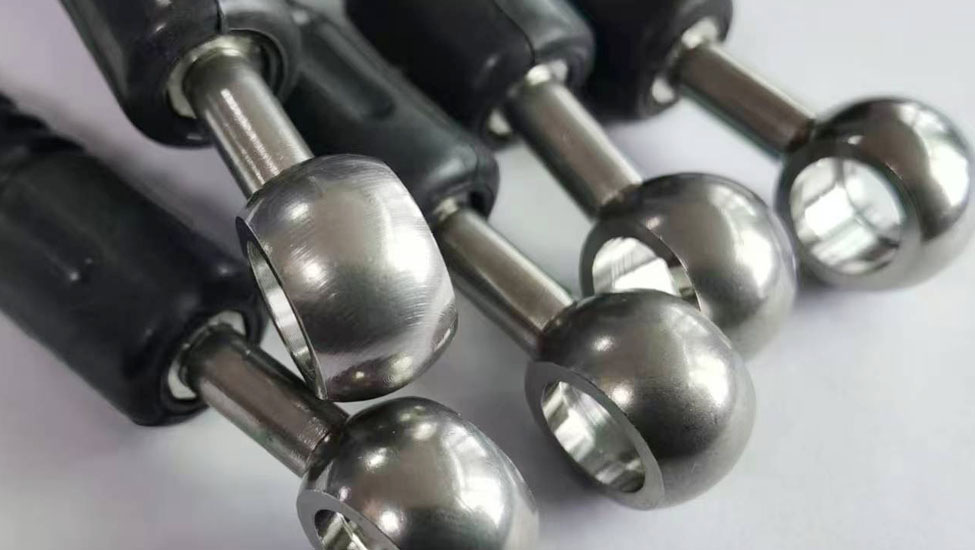
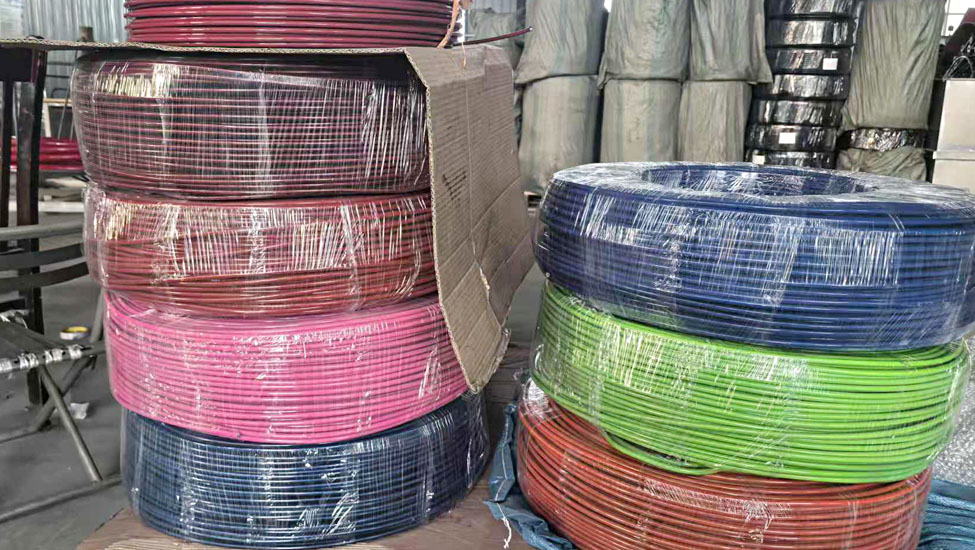
In markets like the Middle East and Southeast Asia, where ambient temperatures regularly exceed 40°C, drivers and mechanics frequently encounter a "spongy" brake pedal that gets worse as the vehicle gets hotter. This is not air in the system—it's brake hose expansion, often called "ballooning."
A standard Rubber Brake Line Assembly is designed with elastic properties. However, when the rubber is softened by high under-hood and brake heat, its modulus of elasticity decreases. Under the typical 800-1200 PSI of brake pressure, the hose wall stretches outward. This expansion acts like a small accumulator, absorbing hydraulic fluid that should be moving the caliper piston. The result is longer pedal travel and reduced braking efficiency, especially dangerous during repeated hard stops.
To eliminate pedal sponginess caused by expansion, you must replace the elastic rubber hose with a non-expanding alternative. This is where modern materials excel.
Our factory utilizes comprehensive testing methods, including pressure cycling and burst testing, to ensure our performance assemblies meet the demands of these environments.
The choice between a full PTFE Brake Line Assembly and a Nylon Assembly depends on your vehicle use and budget. Describe your driving conditions and vehicle to us. Our professional brake line team can recommend the optimal solution. Scan the QR code or contact us for a consultation.
The stainless steel braid in a braided brake line acts as a rigid exoskeleton. It physically constrains the inner PTFE or nylon tube, preventing it from expanding radially under pressure, even at high temperatures. This is why they deliver a consistently firm pedal.
For standard rubber hoses, we recommend inspection every 6 months and replacement every 2-3 years in extreme heat. The internal degradation and softening that lead to expansion are accelerated by heat. Upgraded synthetic or braided lines can last 5-10 years or more.
Yes. Our factory's ample production capacity and multiple production lines allow us to support a wide range of vehicles. We provide solutions for everything from compact Japanese cars to full-size SUVs common in the Middle East and Africa.


Here you can obtain valuable Brake Line Brake Hose technical articles
How Stainless Steel Braided Br
Read More Why Do Motorcycle Brake Lines
Read More How to Choose the Right Motorc
Read MoreInstant Chat Support
+8618903185773
nina@brakelinefactory.com
Get the latest information
Scan the code to follow
Return to the top of the page