Diagnosing Hard Pedal Complaints in Hot Climate Markets
In regions like Saudi Arabia, Indonesia, and Kenya, high ambient temperatures accelerate brake hose degradation. One of the earliest symptoms is a progressively hardening brake pedal—often mistaken for booster failure.
Heat-Related Causes of Pedal Stiffness
1. Rubber Softening and Internal Flaking
Extreme heat breaks down the rubber liner, creating debris that partially blocks fluid flow.
2. Vapor Lock in Flexible Lines
Moisture-contaminated fluid boils inside the hose, forming compressible vapor bubbles.
3. Increased Friction Loss in Long Hose Runs
Larger vehicles with extended brake lines suffer greater pressure drop across weak hoses.
Engineered Solutions for Extreme Conditions
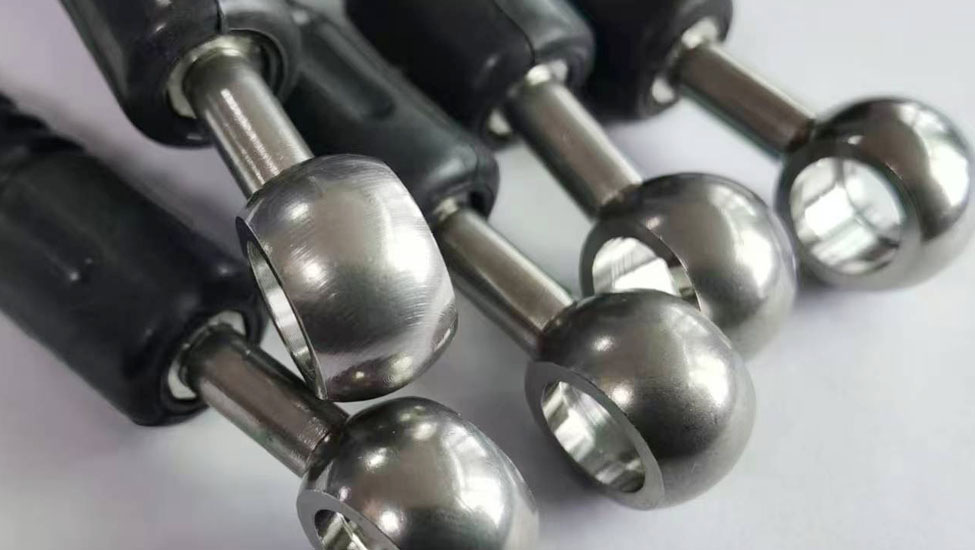
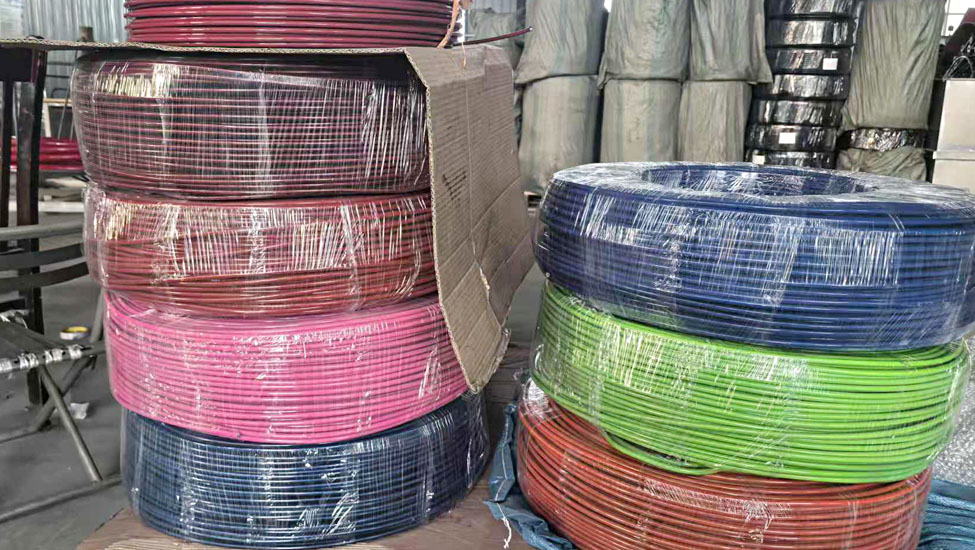
Our factory specializes in high-stability brake assemblies designed for harsh environments:
We also supply Motorcycle Brake Lines engineered for high-heat urban traffic. If you require custom configurations, send us your drawings or sample hoses via our Contact Page.
Climate-Specific Recommendations
- Middle East: Use PTFE cores to withstand 50°C+ under-hood temps
- Southeast Asia: Nylon lines resist monsoon-season moisture
- Africa: Braided overcovers protect against stone damage on rough roads
FAQ – Technical Support
Q: Can a leaking hose cause a hard pedal?
A: Indirectly—yes. External leaks reduce fluid volume, forcing the driver to apply more effort.
Q: Do you offer small trial orders?
A: Yes. Sample batches are available for new distributors and tuning shops.
Q: Are your hoses certified for export?
A: Yes. We provide DOT, SAE, and ISO documentation for smooth customs clearance.