- +86 18903185773
- nina@brakelinefactory.com
- Monday - Sunday 9.00 - 18.00

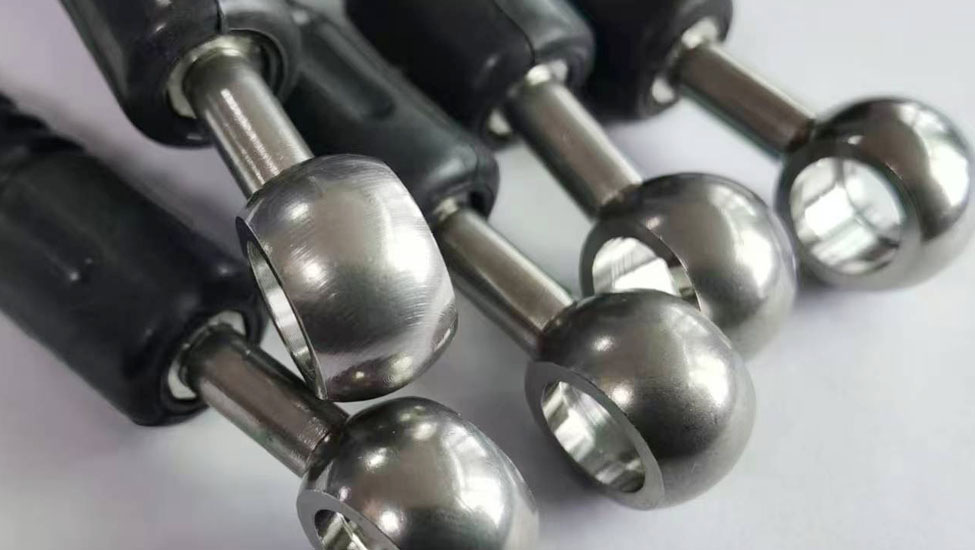
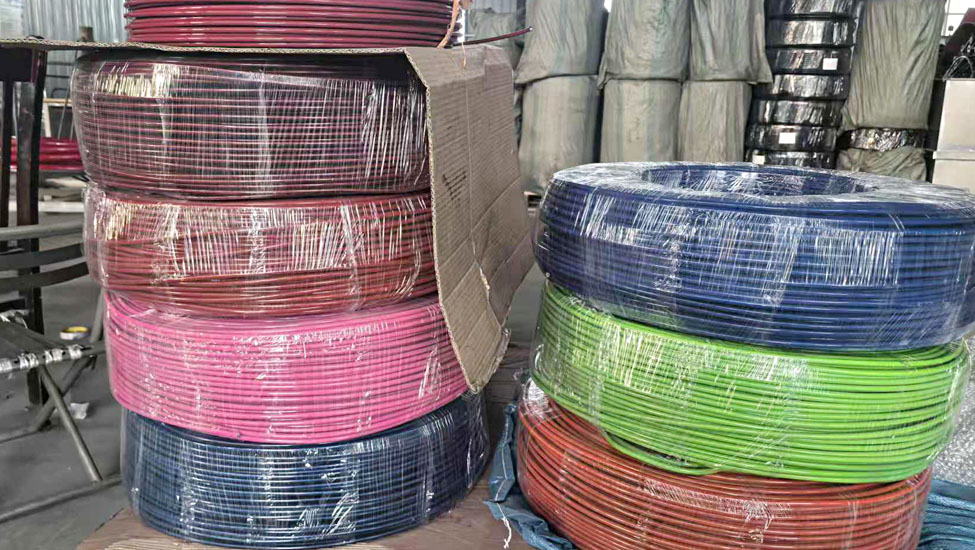
Not all brake hose failures are due to mechanical stress. A significant number of swelling cases, particularly in humid climates like coastal Africa or Southeast Asia, are caused by chemical incompatibility and fluid contamination. Using the wrong fluid or neglecting to change it can turn a vital safety component into a soft, swollen mess.
Not all brake fluids are created equal, and neither are all hoses. The chemical composition matters.
Brake fluid is hygroscopic (it absorbs water). In humid climates, this process accelerates.
Oil, grease, and harsh cleaning solvents can attack the hose's outer cover. A degraded outer cover exposes the reinforcing braid to moisture and abrasion, weakening the entire structure and making it prone to bulging under pressure.
To avoid chemical-related swelling, material selection is critical.
Q: Can I use any DOT 4 fluid with any hose?
A> Most modern hoses are compatible with DOT 3, 4, and 5.1. However, always check the hose manufacturer's specification. When in doubt, use a high-quality DOT 4 fluid from a known brand.
Q: How often should I change my brake fluid to protect the hoses?
A> In humid climates, we recommend changing brake fluid every 12-18 months, or as specified in your vehicle's manual. This removes the water content that causes internal degradation.
Technical Support: Confused about which fluid to use with our Teflon Brake Line or Nylon Brake Line? Contact our team with your vehicle details. We provide clear guidance to ensure your braking system remains chemically stable.


Here you can obtain valuable Brake Line Brake Hose technical articles
How Stainless Steel Braided Br
Read More Why Do Motorcycle Brake Lines
Read More How to Choose the Right Motorc
Read MoreInstant Chat Support
+8618903185773
nina@brakelinefactory.com
Get the latest information
Scan the code to follow
Return to the top of the page