Why Your Brake Hose Is Leaking — And Why It’s Not Always the Caliper
Last month, a client in Nigeria sent me photos of brake fluid dripping from his front wheel. His mechanic blamed the caliper. But after 15 years building hoses here in Hengshui, I knew better. The real culprit? A failing Rubber Brake Line Assembly.
1. The Crimp Zone: Where 90** of Leaks Start
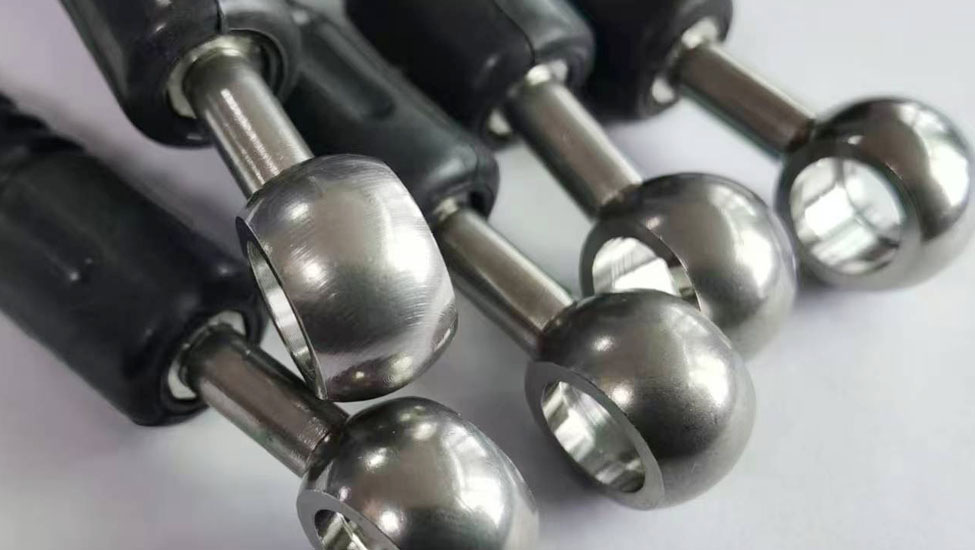
Most leaks don't happen in the middle of the hose; they happen at the metal fitting. If the crimp isn't uniform, or if the hose was stored too long before assembly, the rubber loses its "memory" and can't seal against the barb. This is why we pressure-test every Nylon Brake Line Assembly before it leaves our factory.
2. UV and Ozone: The Silent Killers
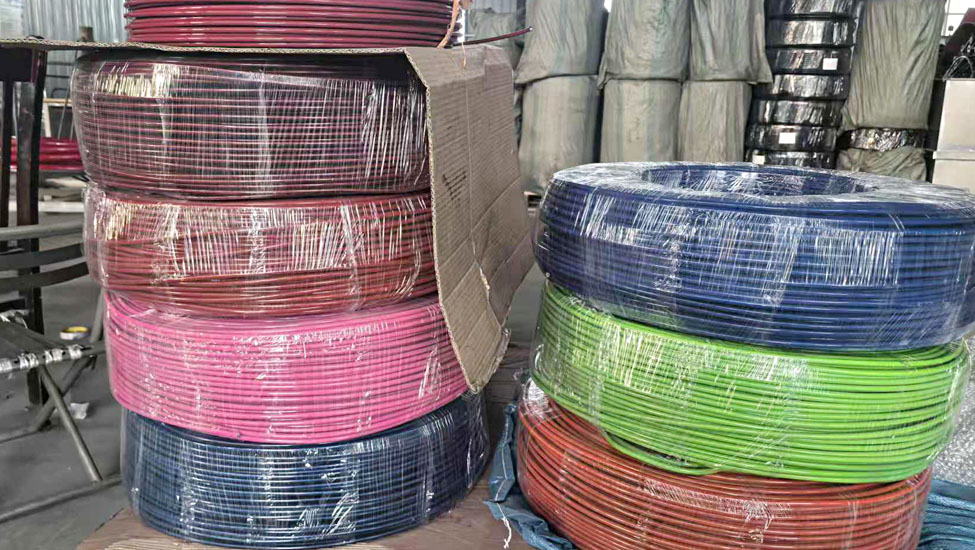
In Southeast Asia and the Middle East, the sun is brutal. Standard rubber hoses dry out, surface cracks appear, and eventually, the reinforcement layer is exposed. Switching to Nylon Brake Line is a smart move for UV resistance.
3. Abrasion and Chafing
If a hose rubs against a suspension arm or the chassis, it will eventually wear through. I've seen this a lot on modified SUVs in Dubai. Upgrading to Teflon Brake Line with a stainless braid adds a layer of armor that prevents this kind of leak.
What to Do If You See a Leak
Don't just tighten the fitting—that usually makes it worse. Inspect the hose. If you see any wetness, cracking, or rust at the crimp, replace the entire assembly immediately.
Unsure if your hose is failing?
Send us a photo of the leak area or your technical drawing. Our team in Hengshui can identify the failure point.
📩 Contact Nina for a technical review →
FAQ – From Overseas Distributors
How often should brake hoses be replaced?
Every 4–5 years, or sooner if you see surface cracks or live in a hot, sunny climate.
Do aftermarket hoses really improve safety?
Yes. PTFE Brake Line Assembly and braided lines prevent the internal erosion that causes sudden leaks.
Are they suitable for all vehicles?
We manufacture for everything from compact cars in Japan to heavy-duty 4x4s in Africa.
Maintenance Tips from the Factory Floor
- Never reuse old copper washers; they are designed for single compression.
- Avoid using high-pressure washers directly on the fittings.
- During tire rotations, manually inspect the hoses for any signs of dampness.