5 Signs Your Motorcycle Brake Hose Needs to Be Replaced
A motorcycle brake hose may look like a simple component, but it plays an important role in transferring hydraulic pressure from the master cylinder to the brake caliper.
Many riders pay attention to brake pads and discs but overlook the condition of the brake hose. Over time, heat, vibration, movement, abrasion and brake fluid exposure can affect hose performance.
Knowing the warning signs can help riders, workshops and motorcycle parts buyers identify when a brake hose should be inspected or replaced.
1. The Brake Lever Feels Soft or Spongy
A soft brake lever does not automatically mean that the hose is faulty. Air in the system, old brake fluid, worn components and caliper problems can also cause a soft lever.
However, if the brake system has been correctly bled and the lever still feels unusually soft, the condition of the flexible brake hose should be checked.
Why Can Hose Expansion Affect Brake Feel?
When hydraulic pressure rises, a flexible hose can expand slightly. Excessive expansion can affect the amount of lever movement required to generate the desired pressure at the caliper.
This is one reason some riders choose stainless steel Teflon Brake Line systems for performance and modified motorcycles.
2. Visible Cracks, Abrasion or Surface Damage
Inspect the complete hose from the master cylinder to the caliper. Pay particular attention to areas close to brackets, forks, handlebars and moving suspension components.
Any hose showing significant cracking, abrasion, leakage or structural damage should be inspected by a qualified technician before the motorcycle is used.
3. Brake Fluid Leakage Around the Fittings
Brake fluid around a banjo fitting or hose connection should never be ignored.
A leaking connection can result from incorrect fitting, damaged sealing washers, improper torque or a damaged hose assembly. The source of the leak should be identified before further riding.
Why Are Fittings Important?
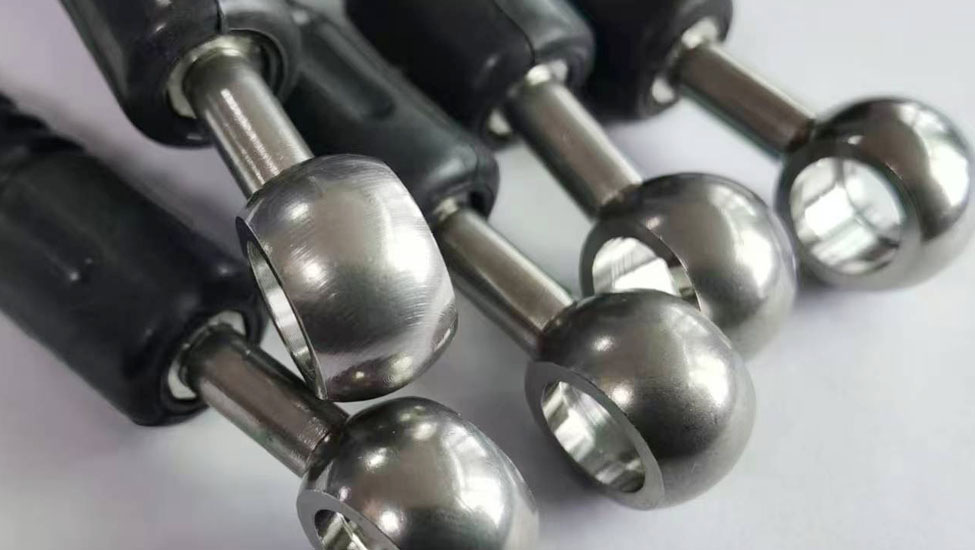
The fitting is not simply an accessory. The hose assembly needs the correct thread, banjo angle, sealing method and connection geometry for the application.
For this reason, buyers ordering a custom PTFE Brake Line Assembly should provide accurate fitting specifications whenever possible.
4. The Brake Hose Looks Swollen or Deformed
Unusual swelling can indicate deterioration or structural changes within the hose. A hose that changes shape noticeably under pressure should be inspected rather than judged only by its external appearance.
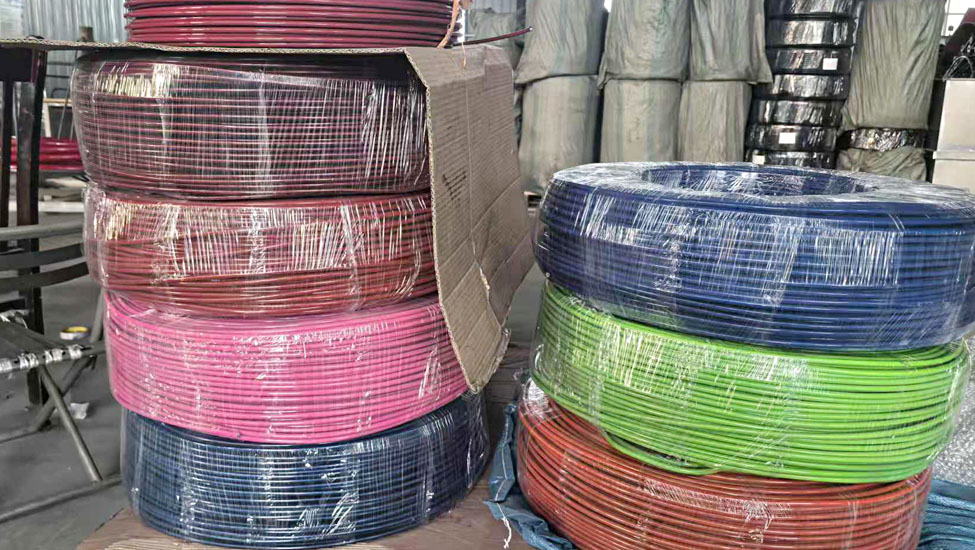
For performance applications, PTFE tubing combined with reinforcement is commonly selected because the construction is designed to provide greater dimensional stability under hydraulic pressure.
5. The Motorcycle Has Been Modified
Changing handlebars, forks, calipers or brake components can change the required brake hose length and routing.
A hose that was correct for the original motorcycle may no longer be correct after modification.
Custom Nylon Brake Line or braided hose assemblies can be manufactured according to the modified motorcycle's actual dimensions and fitting requirements.
Why Are Riders Upgrading From Rubber to Braided Brake Lines?
Replacing an old hose with another standard rubber hose is not the only option. Many motorcycle enthusiasts choose braided brake lines when they are replacing worn hoses or upgrading a modified braking system.
More Stable Brake Feel
A reinforced hose can reduce unwanted expansion under pressure and provide a more consistent lever response.
Better Protection Against External Damage
The outer reinforcement can provide additional mechanical protection against abrasion, although correct routing and installation remain essential.
Suitable for Modified Applications
Aftermarket motorcycles often require non-standard hose lengths, fitting angles and routing. A custom assembly can be manufactured around these requirements.
PTFE, Nylon or Rubber: Which Brake Hose Should You Choose?
The best material depends on the application. There is no reason to use one construction for every motorcycle.
PTFE Brake Hose
PTFE is commonly selected for performance-oriented applications because of its chemical resistance and stable inner tube characteristics.
Our PTFE Brake Line Assembly can be configured with different hose lengths and fitting combinations according to customer requirements.
Nylon Brake Hose
Nylon brake hose constructions can be considered when flexibility, material selection and application requirements make nylon suitable.
For customers requiring complete assemblies, our Nylon Brake Line Assembly can be customized according to specifications.
Rubber Brake Hose
Rubber remains widely used in conventional brake systems because of its flexibility and cost efficiency.
For standard replacement applications, a Rubber Brake Line Assembly may be appropriate when the original system requires a conventional rubber hose construction.
What Should You Check When Buying a Replacement Brake Hose?
- Correct motorcycle model and year
- Front or rear brake application
- ABS compatibility
- Hose length
- Inner hose material
- Outer reinforcement
- Fitting thread
- Banjo angle
- Fitting orientation
- Brake fluid compatibility
- Required quantity and packaging
Daily Maintenance Tips
During regular motorcycle maintenance, inspect the brake hose visually and check whether the hose is rubbing against the wheel, fork, frame or other moving parts.
After changing handlebars or suspension components, check the brake hose again through the full steering and suspension range.
Keep the hose away from sharp edges, excessive heat sources and areas where repeated movement could cause abrasion.
Important Installation Considerations
Brake components are safety-critical parts. The replacement hose should match the vehicle application and should be installed using the correct fittings, sealing components and routing.
Installation requirements can vary by motorcycle and brake system. When ABS is involved, the original hydraulic circuit should be understood before replacing or rerouting any line.
Need a Custom Motorcycle Brake Hose?
If you are a motorcycle parts distributor, workshop, importer or aftermarket brand and cannot find the correct standard hose, a custom assembly may be a better solution.
You can send us the original hose, a technical drawing, fitting information or simply the motorcycle application. Our factory can review the requirements and discuss the appropriate hose construction.
Not sure which brake hose or fitting you need? Send us your drawing, sample or photos and let our technical team review the application.
Contact Us for Motorcycle Brake Hose
FAQ: Motorcycle Brake Hose Replacement
How often should a motorcycle brake hose be replaced?
Replacement depends on the hose condition, motorcycle usage, environment and manufacturer recommendations. There is no universal mileage number that applies to every motorcycle.
Does upgrading the hose really improve safety?
A correctly selected and installed hose can contribute to more consistent hydraulic response. However, the complete brake system must be maintained properly, including pads, discs, calipers, fluid and master cylinder.
Can I replace a rubber hose with a braided brake line?
In many aftermarket applications this is possible, but the replacement hose must be compatible with the motorcycle and brake system. Length, fittings, routing and ABS configuration should all be confirmed.
Can the factory make a brake hose according to a sample?
Yes. A physical sample, drawing or detailed fitting specification can help the manufacturer understand the required hose length, fitting type, angle and assembly configuration.