Beyond the Pedal: The Systemic Impact of Brake Hose Expansion on Performance and Safety
Hose expansion isn't just about pedal feel—it's a system-wide performance drain with implications for stopping distance, heat management, and component longevity. This article delves into the secondary effects of a "ballooning" brake hose, provides a comparative analysis of hose materials, and offers a framework for selecting the right brake line assembly based on application, from daily driving in humid climates to extreme performance use.
The Cascading Effects of a Weak Hydraulic Link
A flexible hose that expands under pressure is the most compliant part of the hydraulic circuit. This compliance has several negative consequences beyond a soft pedal.
1. Increased Stopping Distance and Reduced Modulation
The delayed pressure build-up at the caliper translates directly to a longer time for the pads to clamp the rotors. In an emergency stop, fractions of a second matter. Furthermore, the "springy" feel makes it difficult for the driver to accurately modulate pressure, potentially leading to lock-up or under-braking.
2. Accelerated Fluid Overheating and Boiling Risk
This is a critical and often overlooked point. The work done to expand the hose (pressure x volume change) is converted into heat within the hose wall. This adds to the thermal load on the brake fluid inside. In demanding situations like mountain descents or track driving, this extra heat input can push already-hot fluid closer to its boiling point, increasing the risk of vapor lock and total brake fade.
3. Inconsistent Behavior and ABS Interference
Modern ABS systems rely on precise detection of wheel speed changes. A spongy, expanding hydraulic system can dampen the pressure signals and potentially affect the precision and speed of ABS intervention. Consistency is key for electronic systems, and a firm hydraulic baseline is part of that.
Material Showdown: Expansion Characteristics Compared
Choosing a hose is choosing a level of system compliance. Let's compare the common options.
| Brake Line Type | Typical Expansion Under Pressure | Primary Cause of Expansion | Suitability for Demanding Use |
|---|---|---|---|
| Rubber Brake Line Assembly (OEM-style) | High (15-25**) | Elastic deformation of the rubber compound and stretch of the textile reinforcement. | Low. For standard passenger vehicle use only, with preventative replacement. |
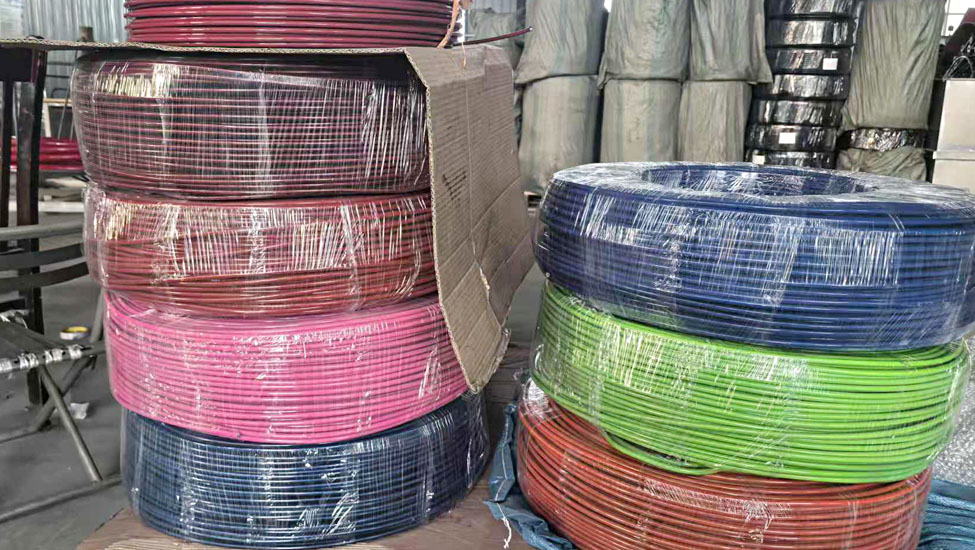
| Nylon Brake Line | Moderate to Low (5-10**) | Nylon has higher tensile strength and lower elasticity than rubber, but some flexibility remains. | Good. A robust upgrade for commercial vehicles, fleets, and harsh environments where durability is key over ultimate performance. |
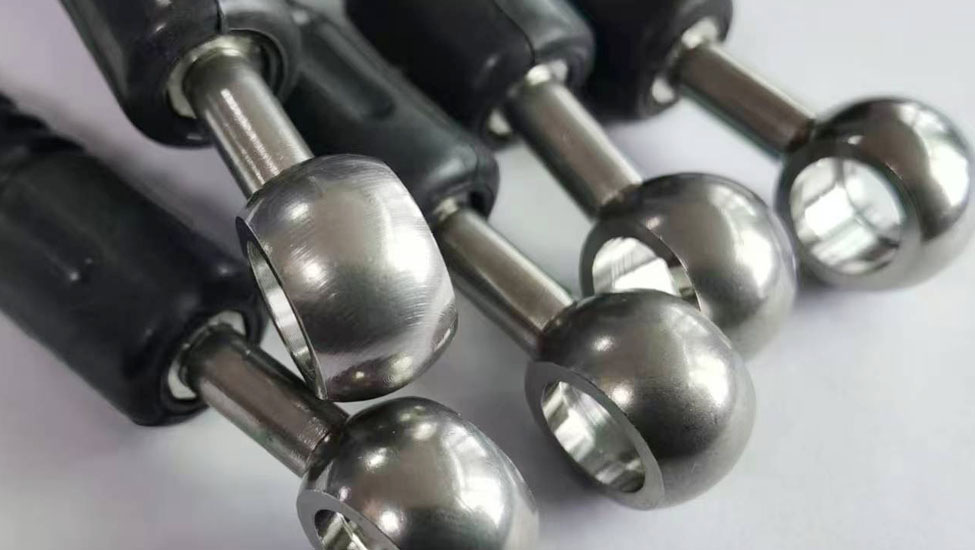
| Teflon (PTFE) Line with SS Braid | Very Low (<2**)< td=""> | Minimal expansion of the PTFE core, contained by the near-inelastic stainless steel braid. | Excellent. The benchmark for performance, racing, towing, and any application where pedal feel and consistency are critical. |
Strategic Selection for Global Market Needs
Your operating environment and vehicle use should dictate the choice between a Nylon Brake Line Assembly and a PTFE Brake Line Assembly.
- For Hot Climate Performance (Middle East, Africa, Track Use): Heat exacerbates rubber expansion. The stability of braided Teflon lines is paramount. The firm pedal and reduced heat input into the fluid are direct safety benefits.
- For High-Humidity & Corrosive Environments (Coastal SE Asia, Japan): While nylon offers good chemical resistance, the full stainless steel construction of a braided line provides superior protection against salt corrosion, in addition to its expansion benefits.
- For Fleet & Cost-Effective Durability: If ultimate pedal feel is secondary to longevity and chemical resistance, a Nylon Brake Line Assembly is a smart, upgraded replacement over rubber that will last longer and perform more consistently.
Maintenance Insight: Fluid is Part of the Equation
Upgrading your lines maximizes the performance of your brake fluid. Always pair a hose upgrade with a complete flush using high-temperature DOT 4 or 5.1 fluid. Old, water-contaminated fluid has a lower boiling point, and the heat from hose expansion (in rubber lines) pushes it closer to failure. A high-quality fluid in a zero-expansion system is the ideal combination.
Factory Capabilities and Custom Solutions
Understanding the theory is one thing; implementing the right solution is another. Our factory boasts the capacity and expertise to support your needs, whether for a single vehicle or a bulk order.
Our Advantages:
- Ample Production Capacity & Multiple Lines: We can handle diverse orders efficiently.
- Strong Technical Development: We understand the material science behind our products.
- Comprehensive Testing: Our products are validated for performance and safety.
Need a custom solution or have a technical question? Our professional team is here. We are located in Hengshui City, Hebei, China. You can obtain the latest information and support by scanning the QR code on our site or contacting us via email at antutech2026@gmail.com for instant chat support.
FAQ: Performance and Practical Considerations
Q: Will I feel the difference immediately after upgrading to braided lines?
A> In most cases, yes. The change is often described as the brake pedal feeling "more direct," "firmer," and "higher." The initial "bite" of the brakes is more immediate. The difference is most pronounced during hard braking.
Q: Is the installation of braided lines difficult?
A> It is a standard brake hose replacement procedure, but correct routing and fitting tightening (without twisting the hose) are critical. It's a job suited for a competent DIYer or a professional workshop. Always perform a full brake bleed afterward.
Q: Do you offer products for all vehicle types?
A> Yes. Our product range covers applications requiring OEM-style rubber assemblies, durable nylon lines, and high-performance Teflon/braided lines for cars, trucks, and motorcycles. We support both standard kits and custom development.