The Top 4 Causes of Brake Line Leaks in Modified Vehicles (And How to Avoid Them)
Brake line leaks are a critical safety concern, especially for modified vehicles where components are pushed beyond factory specifications. Based on field data and workshop diagnostics, we've identified the most common culprits behind these failures.
1. Corrosion and Material Degradation
The primary enemy of any brake line is corrosion. While factory steel lines are susceptible to rust, aftermarket materials offer better resistance but have their own vulnerabilities.
How Different Materials Fare:
- Rubber Brake Lines: OEM and older aftermarket rubber hoses are prone to internal cracking ("dry rot") and external swelling from brake fluid or environmental contaminants. This leads to a soft pedal and eventual seepage. Consider upgrading to braided lines.
- Steel Lines: External rust from road salt and water is the main killer. Internal corrosion can also occur if moisture-contaminated fluid is left unchanged for years. Inspect regularly, especially at connection points.
2. Improper Installation and Routing
This is the most common cause of leaks in modified setups. Even the best-quality line will fail if installed incorrectly.
Critical Installation Mistakes:
- Over-tightening Fittings: This can strip threads, crack adapters, or deform the sealing surfaces on the line itself. Always use a torque wrench and follow manufacturer specs.
- Insufficient Clearance: Lines routed too close to moving parts, exhaust components, or sharp edges will chafe and wear through. Maintain at least 1/2 inch of clearance from all other components.
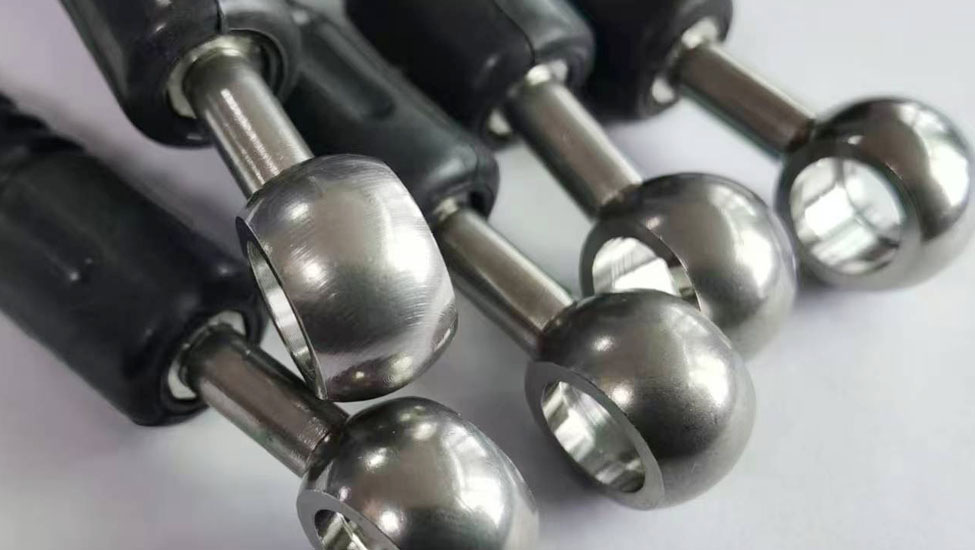
- Stress from Incorrect Bending: Lines should be bent with proper tools. Kinking a line creates a weak point that will eventually crack. Using pre-assembled lines like our PTFE Brake Line Assembly or Nylon Brake Line Assembly can eliminate this risk.
3. Vibration Fatigue and Stress Cracking
Modified vehicles, especially those used in performance driving, experience higher levels of vibration. This constant flexing can fatigue metal and cause fittings to loosen.
Our Solution: High-Flex Braided Lines
Our braided brake lines are designed to dampen high-frequency vibrations. The stainless steel braid protects the inner liner (like Teflon Brake Line or Nylon Brake Line) from abrasion while allowing for necessary movement without fatigue. This is crucial for track cars and off-road vehicles.
4. Incompatible Fluid and Extreme Temperatures
Using the wrong brake fluid or exceeding its temperature rating causes the fluid to vaporize, creating air in the system and increasing pressure spikes that can damage seals and lines.
Recommendation: For performance applications, always use a high-temp DOT 4 or DOT 5.1 fluid. The PTFE (Teflon) lining in our Teflon Brake Lines is compatible with all standard and racing brake fluids, providing an extra layer of safety against fluid-induced degradation.
Choosing the Right Line for Your Build
Selecting a brake line isn't one-size-fits-all. Here’s a quick guide to our core products:
PTFE Brake Line Assembly (Teflon Core + Stainless Braid)
- Best For: High-performance track cars, drift cars, and any application where extreme fluid temperatures and pressure are expected.
- Why: PTFE (Teflon) has near-zero fluid absorption, maintains flexibility at high and low temps, and offers the least expansion under pressure for a firm pedal feel.
- Related Products: Teflon Brake Line, Nylon Brake Line Assembly, Rubber Brake Line Assembly.
Nylon Brake Line Assembly
- Best For: Street performance, off-road vehicles, and cost-effective upgrades where durability and flexibility are key.
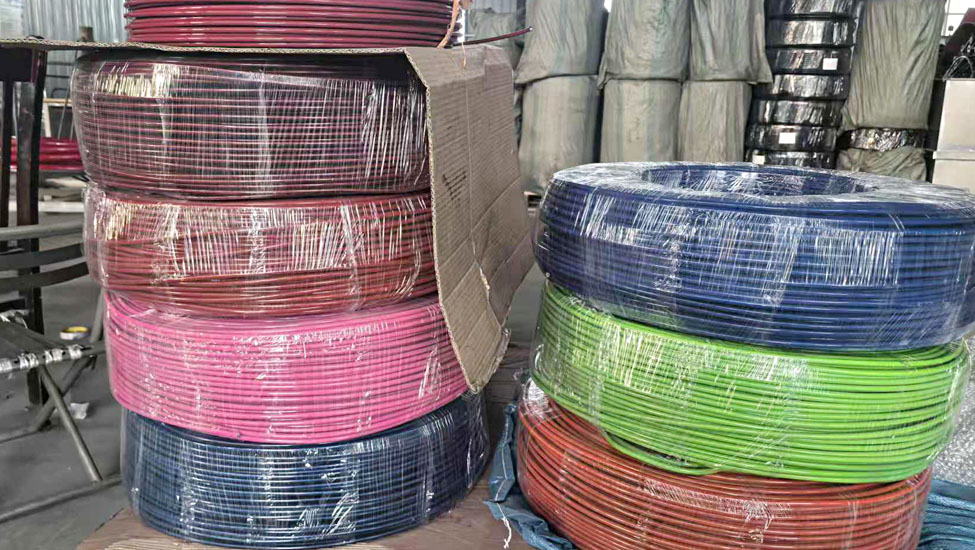
- Why: Nylon is highly resistant to abrasion, chemicals, and corrosion. It's tougher than standard rubber and provides a good balance of performance and value. Our Nylon Brake Line is a popular choice for Jeep and 4x4 upgrades.
- Related Products: Nylon Brake Line, Rubber Brake Line Assembly, braided brake lines.
Rubber Brake Line Assembly (OEM Replacement)
- Best For: Restoring classic cars to original spec or as a direct, reliable replacement for worn-out factory lines.
- Note: While durable, rubber has more expansion under pressure than braided lines, leading to a slightly less firm pedal. For improved performance, we recommend stepping up to a braided option.
- Related Products: Nylon Brake Line Assembly, PTFE Brake Line Assembly.
Need a Custom Solution or Expert Advice?
Choosing the right brake line setup can be complex. If you're unsure which material or assembly is best for your specific vehicle, driving style, or regional climate (especially relevant for our customers in humid Southeast Asia or the sandy Middle East), send us your vehicle details or a sketch of your planned routing. Our engineering team can review it and recommend the optimal braided brake lines or assemblies for your project. Contact us here with your questions or drawings.
Frequently Asked Questions (FAQ)
How often should brake hoses be replaced?
For street-driven vehicles, inspect them every 2 years or during major service. Replace rubber hoses every 4-5 years or at the first sign of cracking/swelling. High-quality braided lines (like our PTFE or Nylon assemblies) typically last much longer but should still be inspected annually for external damage.
Do upgraded brake lines really improve safety?
Yes, but indirectly. They don't make your brakes "more powerful." They improve pedal feel (less "spongy" expansion) and consistency, especially under repeated hard braking. This gives the driver better control and more predictable stopping power, which is a safety benefit. They are also more resistant to damage from debris and the environment.
Are they suitable for all car models?
Virtually yes. We offer universal lines, custom-length assemblies, and vehicle-specific kits for popular performance and off-road models. The key is choosing the correct fittings (thread type and angle) for your car's calipers and hard lines.