Beyond Driver Complaint: The Operational and Safety Impact of Spongy Brakes in Commercial Fleets
For fleet managers in Africa and transport companies across the Middle East, a driver's report of "soft brakes" is often logged as a minor issue. This perception is costly and dangerous. A spongy brake pedal is a symptom of hydraulic inefficiency that leads to increased operating costs, accelerated wear, and heightened safety risks. This analysis quantifies the impact and presents the case for a standardized brake line upgrade as a strategic investment.
Case Study: The Spongy Brake Chain Reaction
A logistics company in Southeast Asia operating a fleet of 25 trucks noticed a pattern: vehicles with over 150,000 km consistently required more frequent brake pad changes and drivers reported "lazy" braking. Our investigation revealed:
- Root Cause: The original rubber brake hoses had hardened externally but softened internally. Under pressure, they expanded significantly.
- The Sponginess Cycle: Drivers, feeling the long pedal travel, would subconsciously press harder and later. This led to more aggressive braking behavior.
- The Consequences: Increased pad and rotor wear (up to 40** faster), higher fuel consumption from inefficient braking cycles, and driver anxiety about vehicle safety.
The Three-Tiered Cost of Ignoring Spongy Brakes
1. Increased Maintenance Costs
Inefficient braking forces components to work harder. Pads and rotors wear prematurely. The constant over-application of pressure also stresses the master cylinder and calipers.
2. Reduced Fuel Efficiency
A spongy pedal often leads to "riding the brakes" slightly or braking more aggressively to compensate. This increases rolling resistance and wasted energy, impacting fleet-wide fuel economy by 2-4** in city driving.
3. Safety and Liability Exposure
An unpredictable pedal increases stopping distance and driver reaction time. In the event of an accident, a documented history of unaddressed brake complaints could have severe legal and financial repercussions.
The Fleet Solution: A Proactive Upgrade to High-Performance Lines
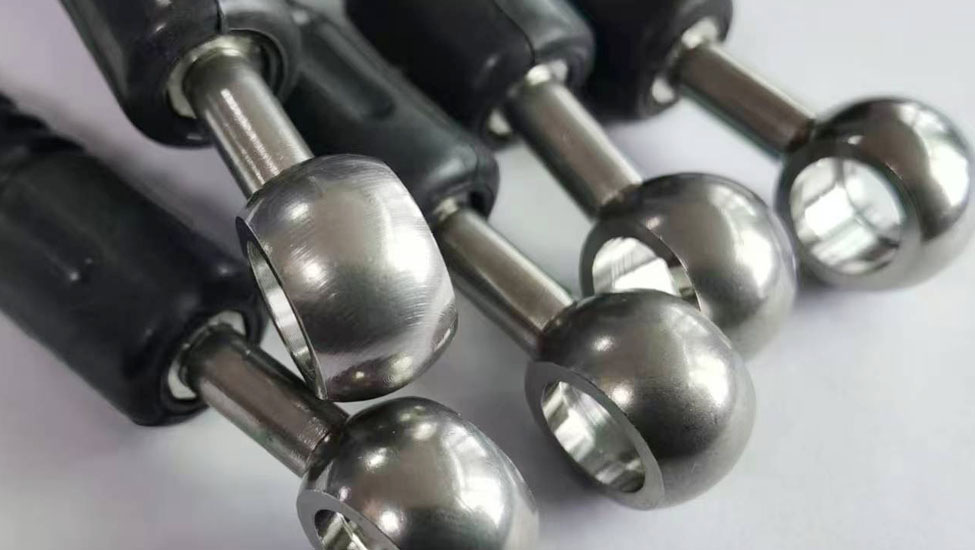
The company implemented a phased upgrade, replacing all flexible lines with our durable Nylon Brake Line Assembly kits. The results were measured over 18 months:
- Eliminated Complaints: Driver reports of spongy brakes ceased entirely.
- Normalized Wear Rates: Brake pad life returned to manufacturer specifications, reducing parts costs by approximately 30**.
- Improved Fuel Economy: A measurable 1.8** improvement in average fuel consumption was recorded across the upgraded fleet.
- Positive ROI: The investment in upgraded brake lines paid for itself in under 16 months through parts and fuel savings.
Technical Deep Dive: Why Material Choice is Critical for Fleets
For fleet applications, durability and value are key. Here’s how our products stack up:
- Rubber Brake Line Assembly (OEM): The source of the problem. Prone to expansion and degradation. A recurring cost center.
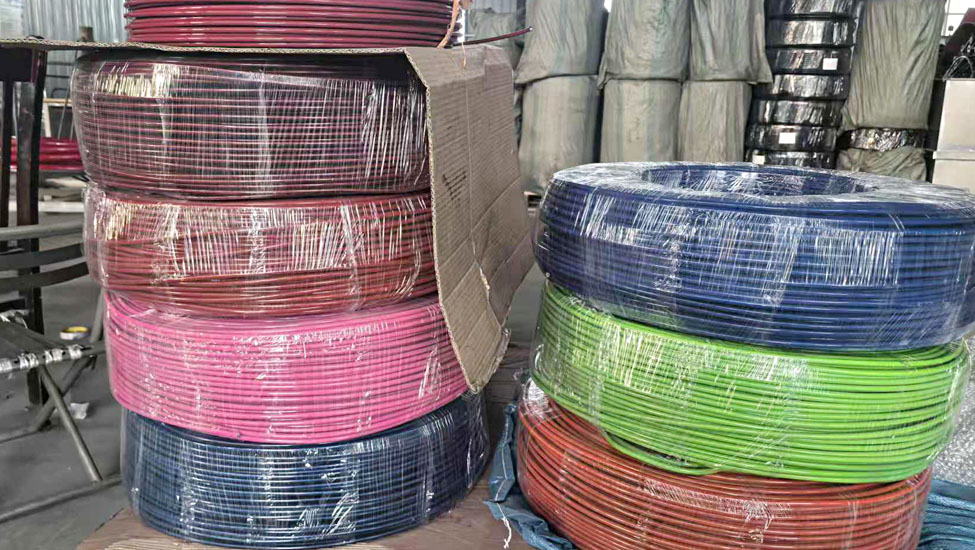
- Nylon Brake Line Assembly: The intelligent fleet standard. Offers 80-90** of the performance gain of Teflon at a lower cost. Dramatically reduces expansion, eliminating sponginess for the long term.
- PTFE Brake Line Assembly (Teflon): The premium choice for severe-duty cycles (e.g., mountainous routes, emergency services). Offers the ultimate in expansion control and fluid system protection.
Looking to Standardize and Improve Your Fleet's Braking Performance?
We are equipped to support large-scale commercial needs. Our factory boasts ample production capacity and multiple production lines, ensuring we can meet your volume and timeline requirements. Get in touch with our professional team to discuss your fleet's vehicle list, request samples, or obtain a bulk quote. We provide comprehensive technical support.
Maintenance Schedule to Prevent Spongy Brakes
Implement this proactive schedule for your fleet or personal vehicle:
- Every Service: Technician should perform a subjective "pedal feel" check and note any changes.
- Every 2 Years: Mandatory brake fluid flush and replacement. Test fluid for moisture content.
- At Every Brake Job: Perform the "hose squeeze test" described in our first article. Inspect hoses for external damage.
- At 5 Years / 150,000 km: Plan for proactive replacement of all flexible brake hoses. Budget for an upgrade to braided lines as a capital improvement that reduces future operating costs.