How to Choose the Right Stainless Steel Braided Brake Hose for Your Motorcycle
Choosing a motorcycle brake hose is not simply a matter of selecting a color or buying the most expensive braided line available. The hose construction, inner tube material, reinforcement, fittings, length and installation method all affect whether the final assembly is suitable for the application.
For motorcycle owners, workshops, importers and aftermarket distributors, understanding these specifications can help prevent compatibility problems and unnecessary replacement costs.
What Makes a Good Braided Brake Hose?
Inner Tube Material
The inner tube carries the brake fluid, so its material is an important part of the hose design. PTFE, nylon and rubber constructions have different characteristics and should be selected according to the application.
Stainless Steel Reinforcement
The stainless steel braid provides mechanical reinforcement around the inner tube. The braid structure and manufacturing quality can influence the hose's ability to resist expansion and external mechanical stress.
Fittings and Connection Quality
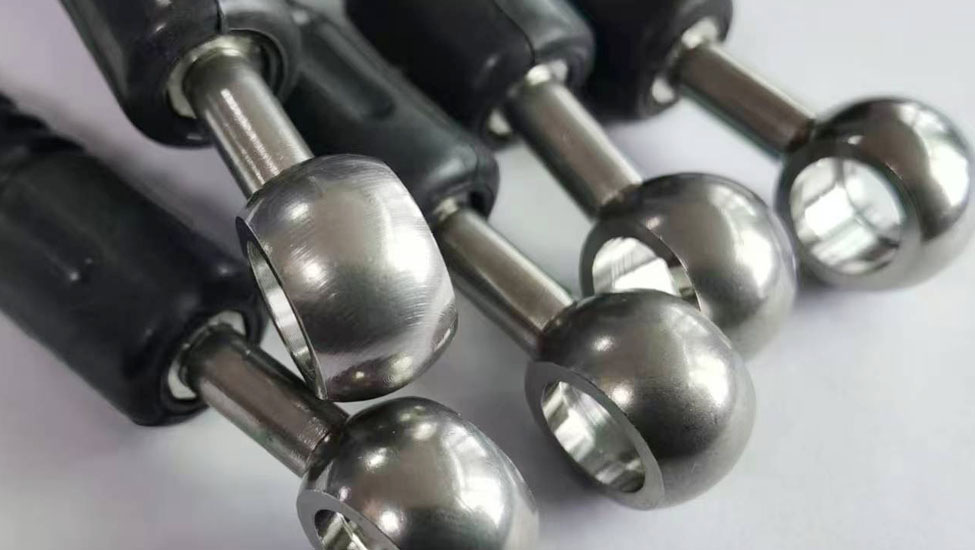
Even a high-quality hose can become unsuitable if the fittings do not match the vehicle. Thread specification, fitting angle, banjo configuration, material and surface treatment should therefore be confirmed before production.
Why Fitting Angle Matters
A fitting that has the correct thread but the wrong angle may make installation difficult or force the hose into an unsuitable routing position. For custom motorcycle brake lines, fitting orientation should be included in the drawing or sample specification.
PTFE, Nylon and Rubber Brake Hoses: What Is the Difference?
PTFE Brake Line
A Teflon Brake Line uses a PTFE-based inner tube and can be reinforced with stainless steel braid. PTFE is commonly selected when buyers are looking for a brake hose construction with low friction characteristics and good resistance to many fluids and temperature conditions.
For motorcycle modification and performance applications, the complete assembly should be considered rather than the tube material alone.
If you are developing a custom brake line, provide the hose length, fitting specification and vehicle application. Contact us for custom specifications.
PTFE Brake Line Assembly
The PTFE Brake Line Assembly is supplied as a complete hose assembly with fittings according to the required configuration.
This format is particularly useful for motorcycle parts importers, distributors and workshops because the hose does not need to be assembled separately after delivery.
Information to Provide for a PTFE Brake Line Assembly
- Total hose length
- Hose inner diameter
- Fitting type
- Thread size
- Fitting angle
- Banjo configuration
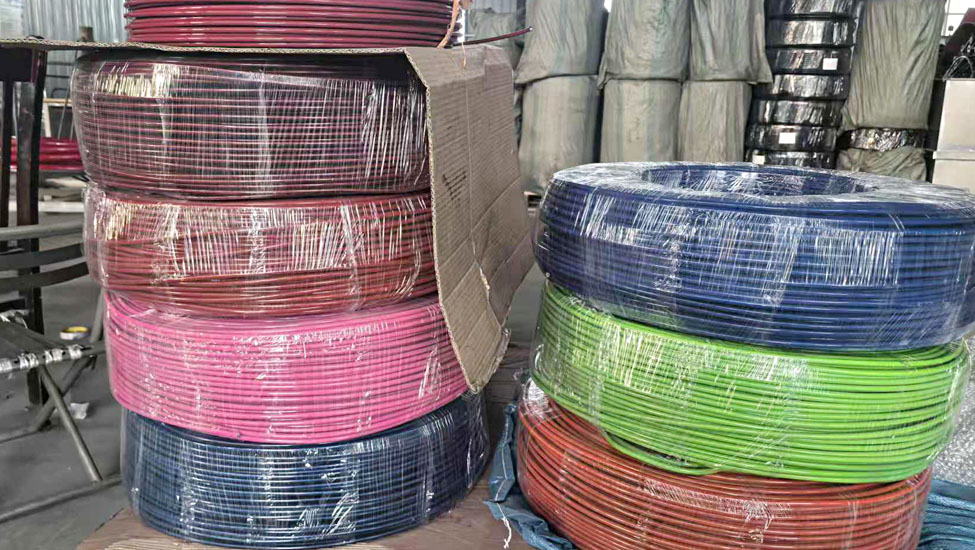
- Required color
- Quantity
For OEM and aftermarket development, a sample or technical drawing can be used to confirm the required configuration before mass production.
Nylon Brake Line
Nylon Brake Line can be considered for applications where a lightweight and flexible hose construction is required.
When selecting nylon brake hose, buyers should consider operating temperature, pressure requirements, chemical compatibility, installation environment and fitting configuration.
For wholesale customers, custom dimensions and product configurations can be discussed according to the intended application.
Nylon Brake Line Assembly
A Nylon Brake Line Assembly combines the selected nylon hose with the required end fittings.
This can be useful for motorcycle parts distributors and OEM customers who need repeatable assemblies with consistent dimensions and connection specifications.
If you have a sample or drawing, send the specification to our team for evaluation.
Rubber Brake Line Assembly
For conventional applications where flexibility and cost efficiency are important, a Rubber Brake Line Assembly can be an appropriate option.
Rubber brake hoses remain widely used in original and replacement applications. The choice between rubber, PTFE and nylon should be based on the actual vehicle requirements rather than assuming that one material is suitable for every application.
Stainless Steel Braided Brake Hose Selection Checklist
1. Confirm the Vehicle Application
Start with the motorcycle model, year and brake position. Front and rear brake systems can require different hose lengths and fitting configurations.
2. Measure the Required Hose Length
Measure the installed route rather than simply measuring the old hose in a straight line. Consider steering movement, suspension travel and fitting orientation.
3. Confirm Thread Size
Thread standards can vary between motorcycles and markets. Do not assume that two fittings with similar external dimensions use the same thread.
4. Check Fitting Angles
The correct fitting angle helps the hose follow the intended routing and reduces unnecessary bending.
5. Consider Environmental Conditions
Motorcycles used in tropical, humid, dusty or coastal environments may require more frequent inspection of exposed hose and fitting components.
6. Consider Protective Sleeves
Additional protective sleeves can be useful where the brake hose passes close to the frame, fork or other surfaces that could cause abrasion.
What Overseas Buyers Look for When Purchasing Brake Lines
For importers and distributors, technical performance is only one part of the purchasing decision. Consistent quality and reliable supply are equally important when the brake hose is sold as an aftermarket product.
Specification Consistency
Hose length, fitting angle, thread size and material should remain consistent between production batches.
Custom Product Capability
Many motorcycle parts businesses do not need a completely standard product. They may require specific hose colors, fitting combinations, lengths or packaging.
OEM and Private Label Support
For brands and distributors, the ability to manufacture according to drawings, samples and branding requirements can be more useful than simply purchasing a standard universal hose.
Bulk Supply
Importers and wholesalers normally need stable production capacity and repeatable specifications. When requesting a quotation, providing the expected monthly or annual quantity can help suppliers recommend a suitable production arrangement.
How to Avoid Common Brake Hose Purchasing Mistakes
Do Not Select a Hose Only by Appearance
Color and braid appearance are easy to compare, but they do not provide enough information to determine whether a hose is suitable for a particular braking system.
Do Not Ignore the Fittings
The hose and fittings should be treated as one assembly. A mismatch in thread, angle or sealing method can make an otherwise suitable hose unusable.
Do Not Use the Wrong Hose Length
A hose that is too short can become stretched during steering or suspension movement. Excessive length can create loops that may contact other components.
Do Not Skip Sample Approval for Custom Products
For bulk orders, sample approval is a practical way to confirm dimensions, fittings, routing and appearance before mass production.
Daily Maintenance of Stainless Steel Braided Brake Lines
After installation, the brake line should be included in normal brake system inspections.
- Keep the hose clean and free from excessive road contamination.
- Check the braid for damage or broken wires.
- Inspect the protective coating for abrasion.
- Check fittings for corrosion and leakage.
- Confirm that the hose does not touch the tire or moving components.
- Inspect routing after changing handlebars, suspension or brake components.
- Replace damaged hoses instead of attempting temporary repairs.
FAQ: Motorcycle Brake Hose Selection
Is a stainless steel braided brake hose safer than a rubber hose?
A correctly designed braided hose can provide lower expansion characteristics than some conventional rubber hoses and may offer a firmer brake lever feel. However, safety depends on the complete brake system and correct installation. A braided hose should not be considered a guarantee of shorter stopping distance by itself.
Can stainless steel braided brake lines fit all motorcycles?
No. Brake hose dimensions and fittings vary between motorcycle models. The hose length, thread, fitting angle, connection type and routing must be checked before ordering.
What is better, PTFE or nylon brake line?
Neither material is universally better. PTFE and nylon have different characteristics, and the correct choice depends on the vehicle, operating conditions and required hose construction.
How do I order custom motorcycle brake hoses?
Provide the motorcycle model, hose length, fitting specifications, photos, drawing or an existing sample. For larger orders, also provide the expected quantity and packaging requirements.
Can you produce brake lines according to our drawing?
Custom production can be discussed based on drawings, samples and technical specifications. This is suitable for motorcycle parts distributors, wholesalers, workshops, importers and private-label brands.
Our Motorcycle Brake Hose Product Range
Our product range covers different hose constructions and assembly requirements for motorcycle and aftermarket applications, including stainless steel braided brake lines, Teflon brake lines, PTFE brake line assemblies, nylon brake lines, nylon brake line assemblies and rubber brake line assemblies.
We can also discuss different fitting configurations, hose lengths, colors, protective sleeves and custom assemblies according to the application.
Need Help Choosing the Right Brake Hose?
If you are not sure which hose material, fitting or assembly configuration is suitable for your application, you do not need to guess from a product photo.
Send us your drawing, existing hose, sample, photos, dimensions or required specifications. Our technical team can review the basic requirements and help confirm the appropriate configuration before production.