Brake Hose Inspection Guide: Corrosion, Wear and Replacement Signs
A brake hose can look acceptable from a distance while developing problems around the fittings, outer surface or reinforcement layer. For this reason, brake hose inspection should be part of routine vehicle maintenance, especially on motorcycles and modified vehicles that experience frequent vibration, suspension movement or demanding riding conditions.
For workshops, importers and distributors, understanding the inspection points also makes it easier to choose the correct brake hose assembly when replacing or upgrading an existing system.
What Should You Inspect on a Brake Hose?
1. Hose Surface
Look for cracks, cuts, swelling, abrasion, discoloration and areas where the outer protective layer has been damaged.
A hose should not continuously rub against the wheel, frame, suspension, exhaust or other moving components. Incorrect routing can shorten service life even when the hose itself is manufactured correctly.
2. Fittings and Connections
Inspect the complete fitting area for corrosion, fluid leakage, damaged threads and abnormal movement.
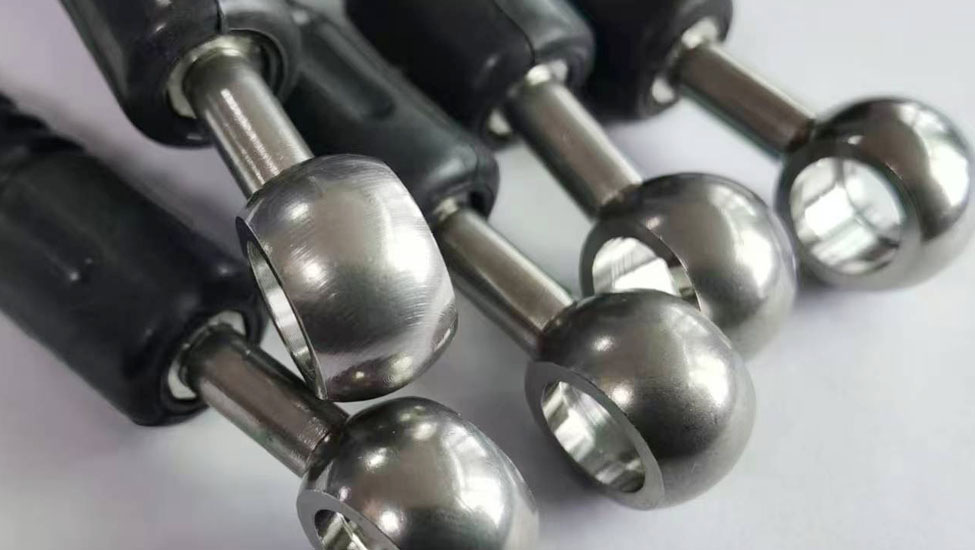
For aftermarket and modified applications, fitting compatibility is particularly important because different motorcycles and vehicle models can use different thread types, banjo angles and connection configurations.
3. Crimped Sections
The transition between the flexible hose and metal fitting should be checked carefully. Look for corrosion, deformation, cracks or signs that the fitting is moving relative to the hose.
4. Brake Fluid Leakage
Any unexplained brake fluid around a hose connection should be investigated. Brake fluid can damage certain painted surfaces and should be cleaned according to appropriate workshop procedures.
When Should a Brake Hose Be Replaced?
A hose should be considered for replacement when inspection identifies leakage, severe corrosion, swelling, cracking, exposed reinforcement, fitting damage or significant mechanical abrasion.
Replacement may also be appropriate when the hose is being changed as part of a brake system upgrade or when the original hose no longer matches the vehicle's modified suspension or brake configuration.
Does an Upgraded Braided Brake Line Improve Brake Feel?
Many performance-oriented brake systems use braided construction because reinforcement can limit expansion of the flexible hose under pressure compared with some conventional hose designs.
This can contribute to a more consistent hydraulic response, but the actual pedal or lever feel depends on the complete braking system. Master cylinder size, caliper design, pads, brake fluid, rotor condition and hose construction all influence the result.
For this reason, Teflon Brake Line and other high-performance hose constructions should be selected according to the complete system rather than only appearance or color.
Brake Hose Selection Guide for Different Applications
For Performance and Modified Brake Systems
When the goal is improved hydraulic consistency, buyers often consider PTFE or Teflon inner tube constructions combined with suitable reinforcement and fittings.
A PTFE Brake Line Assembly can be specified when a complete pre-assembled hose is preferred for installation efficiency.
For Lightweight Applications
Where weight, flexibility and installation characteristics are important, a Nylon Brake Line may be considered depending on the system requirements.
The material grade, wall thickness and operating pressure should be confirmed before production or installation.
For Complete Replacement Assemblies
Some customers prefer to purchase the complete hose assembly instead of cutting hose and installing fittings locally. In this case, Nylon Brake Line Assembly or other finished assemblies can be manufactured according to the required specifications.
For Conventional Replacement Applications
For vehicles that use conventional rubber flexible hoses, a Rubber Brake Line Assembly can be supplied according to the required dimensions and fitting configuration.
What Do Overseas Buyers Usually Check Before Ordering?
For international purchasing, product quality is only one part of the evaluation. Buyers also need stable specifications, repeatability between batches, accurate dimensions and reliable communication during development.
Technical Information
- Hose construction and material
- Inside and outside diameter
- Working pressure
- Test pressure
- Temperature range
- Fitting material
- Thread size
- Fitting angle
- Hose length
- Crimping specification
Production Requirements
For private-label and aftermarket customers, it is also useful to confirm whether the manufacturer can support custom colors, fitting configurations, hose lengths, packaging and product labeling.
Routine Maintenance for Braided Brake Lines
Braided brake lines still require inspection even when stainless steel reinforcement is used. The braid should be checked for broken wires, severe abrasion and contamination.
When cleaning the motorcycle or vehicle, avoid allowing dirt and chemicals to remain around the fitting area. After washing, inspect the connection points if the vehicle has been exposed to salt water, mud or aggressive cleaning chemicals.
Brake Hose Routing Is Just as Important as Hose Quality
A high-quality hose can still fail prematurely if it is installed incorrectly. The hose should have sufficient movement allowance but should not be excessively loose.
During steering and suspension movement, the hose should not become stretched, sharply bent, twisted or trapped between moving components.
Are Braided Brake Lines Suitable for All Vehicles?
No single brake hose assembly is suitable for every vehicle. The correct product depends on hose dimensions, fittings, thread specification, pressure requirements, temperature conditions and routing.
This is particularly important for motorcycles because models can have different caliper positions, handlebar configurations and suspension travel.
Why Custom Brake Hose Assemblies Can Be Useful
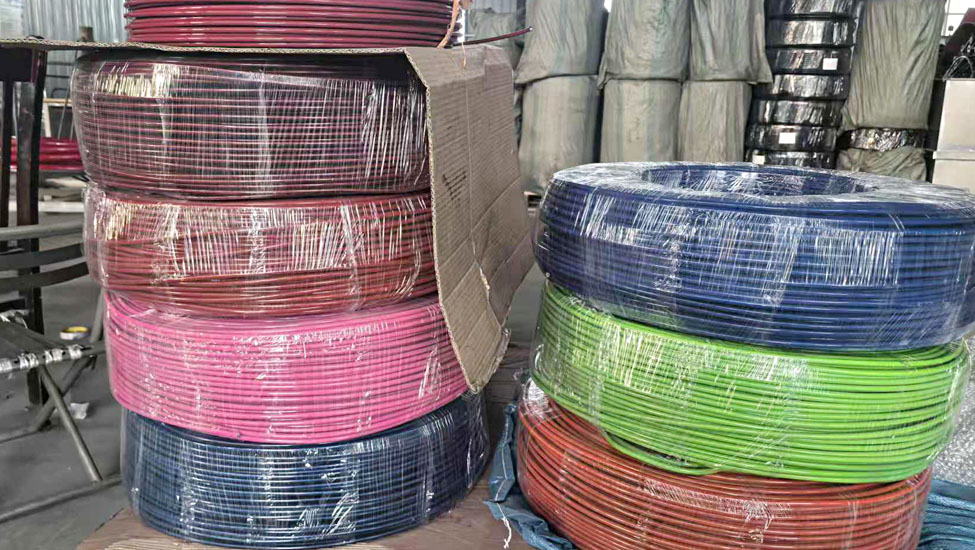
Aftermarket brake systems frequently require dimensions that are different from the original equipment configuration. A custom hose assembly allows the fitting type, fitting angle, hose length and outer covering to be specified according to the actual installation.
For distributors and modification shops, a consistent custom specification can also make future repeat orders easier to manage.
Our Main Brake Hose Product Range
We manufacture and supply brake hose products for motorcycle, automotive, electric vehicle, ATV and other applications. Depending on the project, the product range can include PTFE/Teflon hose, nylon hose, rubber hose, braided brake lines and complete hose assemblies.
Our production capability supports hose braiding, coating and crimping, allowing different hose specifications and fitting configurations to be developed for aftermarket and OEM-style applications.
Need Help Selecting the Correct Brake Hose?
If you are not sure which hose material, fitting or assembly configuration is suitable for your application, you do not need to guess from a product photo.
Send us your drawing, sample, hose dimensions, fitting details or vehicle application. We can review the required configuration and discuss the suitable construction before production.
Contact us for brake hose customization, technical support and quotation.
FAQ: Brake Hose Replacement and Selection
How often should brake hoses be replaced?
Replacement intervals depend on the vehicle manufacturer's recommendations and the actual operating condition. Regular inspection is important because environmental exposure and mechanical damage can affect service life.
Can upgrading to braided brake lines improve safety?
A correctly specified and correctly installed braided brake line can provide useful characteristics for performance applications, including controlled hose expansion and mechanical protection. However, it does not compensate for worn brake pads, damaged calipers, incorrect installation or other braking system problems.
Can one brake hose fit all motorcycle models?
No. Motorcycle brake hose dimensions, fittings, thread specifications, angles and routing can vary significantly. The hose should be matched to the specific motorcycle and brake system.
What information should I provide when ordering a custom brake hose?
Useful information includes hose length, inner diameter, fitting type, thread specification, fitting angle, hose material, outer covering, vehicle model and quantity. A drawing or existing sample is even better when available.