- +86 18903185773
- nina@brakelinefactory.com
- Monday - Sunday 9.00 - 18.00

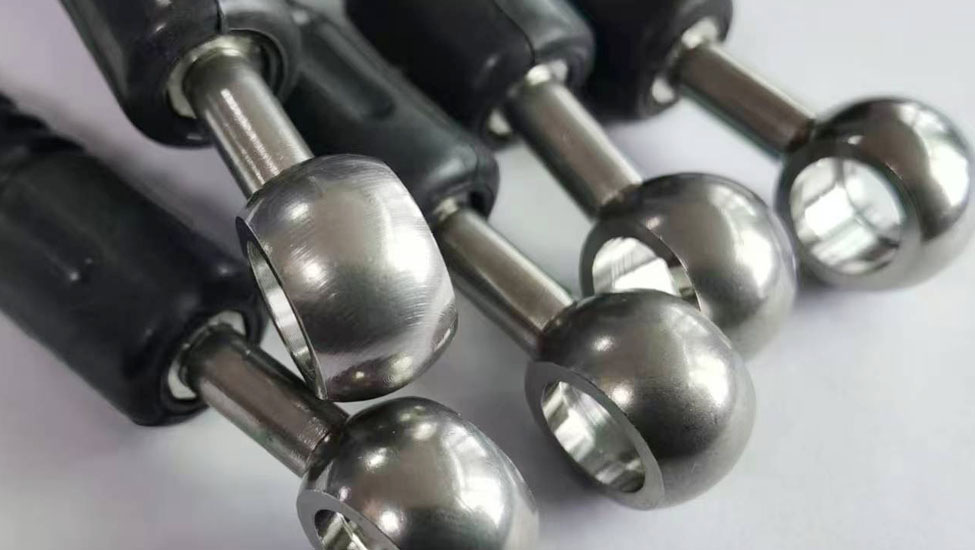
For performance workshops and distributors across Southeast Asia, the Middle East, Japan, Korea, and Africa, a spongy brake pedal is one of the most common complaints after brake upgrades or heavy use. While many assume it is caused by air in the system, the brake hose itself often plays a major role.
Standard rubber hoses expand slightly when hydraulic pressure builds. This expansion absorbs part of the braking force, reducing pedal firmness.
Aged or low-quality hoses can develop soft spots or internal flaps that compress under load.
Water in the fluid lowers its boiling point and introduces compressible vapor bubbles.
Switching to reinforced braided brake lines such as Teflon Brake Line, Nylon Brake Line, PTFE Brake Line Assembly, and Nylon Brake Line Assembly eliminates hose expansion and restores precise pedal feedback.
If you are unsure about hose specifications or need custom routing designs, send us your drawings or sample photos. Our technical team in Hengshui City, Hebei, China, can confirm fitment and production details within one working day. Contact us here.
Flush brake fluid every 12–18 months and avoid using silicone-based fluids not approved for high-performance hoses.
How often should brake hoses be replaced?
Every 2–4 years depending on climate and driving style.
Do upgraded hoses really improve safety?
Yes. Reinforced hoses prevent expansion and maintain consistent braking force.
Are they suitable for all vehicles?
Most performance and OEM lines support custom lengths and fittings.


Here you can obtain valuable Brake Line Brake Hose technical articles

How Stainless Steel Braided Br
Read More Why Do Motorcycle Brake Lines
Read More How to Choose the Right Motorc
Read MoreInstant Chat Support
+8618903185773
nina@brakelinefactory.com
Get the latest information
Scan the code to follow
Return to the top of the page