Diagnosing the Root Causes of a Spongy Brake Pedal
For automotive distributors and tuning shops in Southeast Asia, the Middle East, and Africa, a "spongy" brake pedal is a common complaint. Unlike a hard pedal, which often indicates a mechanical obstruction, a spongy pedal signifies a loss of hydraulic efficiency within the brake lines.
1. Air Ingestion and Compressibility
Brake fluid is incompressible, but air is not. If air enters the system through micro-pores in aging rubber lines, it compresses under pressure, leading to a soft pedal feel. Upgrading to a Teflon Brake Line with a PTFE core eliminates these micro-pores, ensuring a sealed system.
2. Volumetric Expansion of Rubber Hoses
Standard rubber hoses are designed with a degree of elasticity. Under high hydraulic pressure (exceeding 1,000 PSI), the hose diameter expands radially. This "ballooning" effect absorbs energy, resulting in a pedal that feels soft and unresponsive. Rubber Brake Line Assembly products with reinforced braiding mitigate this effect.
3. Internal Delamination and Flap Formation
Heat cycles can cause the inner tube of a hose to separate from the reinforcement layer. These flaps act as one-way valves, trapping pressure in the caliper and preventing full fluid return, which exacerbates pedal sponginess.
Recommended Product Solutions
If you are unsure about the technical specifications for your specific model, you can send us your drawings or sample styles. Contact our engineering team here.
Maintenance and Selection Guidelines
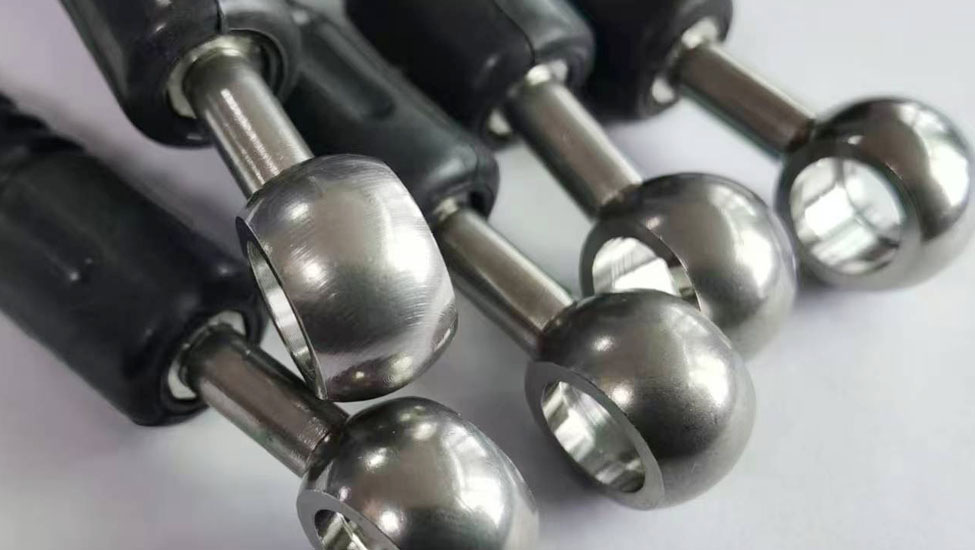
When selecting brake lines, verify compliance with SAE J1401 standards. For regions with high humidity like Southeast Asia, ensure the hose fittings are zinc-plated or stainless steel to prevent corrosion-induced leaks.
FAQ
How often should brake hoses be replaced?
It is advisable to replace brake hoses every 4 to 6 years. However, if you notice a spongy pedal, immediate replacement is mandatory regardless of age.
Do upgraded hoses really improve safety?
Yes. By eliminating expansion and air ingestion, upgraded hoses ensure 100** of the hydraulic pressure reaches the calipers, reducing stopping distances.