- +86 18903185773
- nina@brakelinefactory.com
- Monday - Sunday 9.00 - 18.00

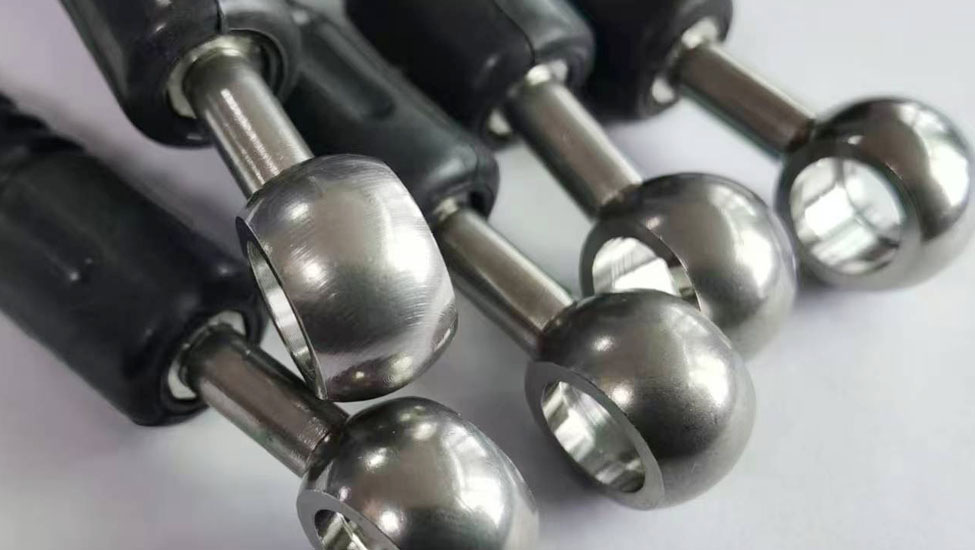
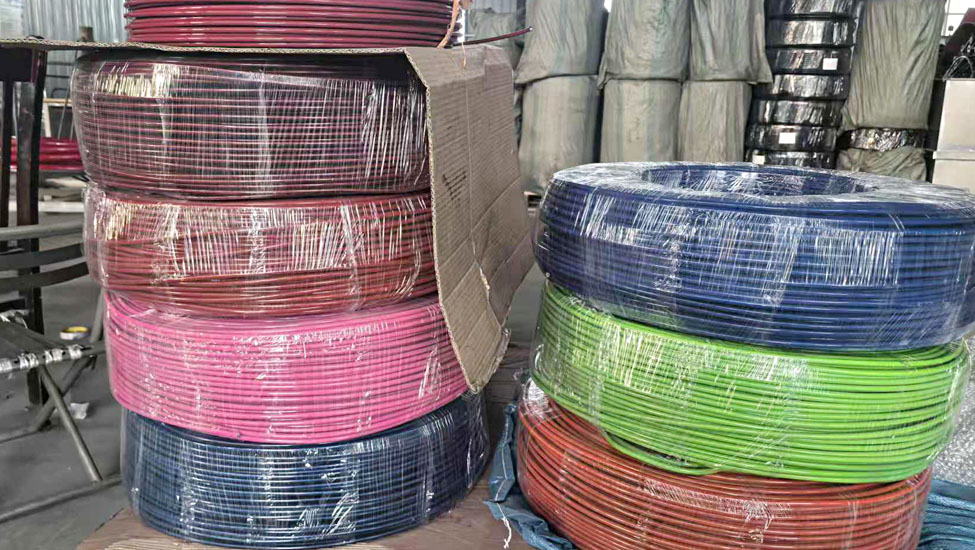
Brake line leakage is usually the result of more than one factor. In many cases, the real problem is a mix of poor installation, environmental stress, and hose aging. For aftermarket buyers, understanding these causes helps reduce warranty issues and improve product selection.
A noticeable brake fluid smell can indicate a minor leak before visible dripping appears.
If one side of the vehicle responds differently, pressure loss in a hose or fitting should be checked.
Moisture on the hose body or around the connector often indicates a sealing issue.
If fittings are too loose or over-tightened, sealing performance can be affected and leakage may develop over time.
Constant vibration and suspension movement can weaken the joint area and shorten service life.
Physical abrasion from road debris, brackets, or nearby components can expose the hose to leakage risk.
Nylon brake line assembly is often used where flexible routing and a complete assembly solution are needed.
Nylon brake line can be useful in custom projects, but the application must be matched carefully.
Rubber brake line assembly remains common in standard replacement markets, though it may require closer inspection in hot or humid regions.
Braided brake lines are preferred by many buyers who want stronger reinforcement and reduced expansion under pressure.
These pages are useful for comparing different construction and application choices:
Our main product range also includes braided brake lines for performance and custom vehicle applications.
If you have a drawing, sample, or fitment requirement, send it to us and we can help confirm the right solution. Contact us here.
Common causes include aging, poor fitting torque, corrosion, vibration, and outer layer damage.
They often perform better under pressure and can be more stable when properly installed, but the fitting quality still matters.
In most cases, replacement is the safer option.


Here you can obtain valuable Brake Line Brake Hose technical articles
How Stainless Steel Braided Br
Read More Why Do Motorcycle Brake Lines
Read More How to Choose the Right Motorc
Read MoreInstant Chat Support
+8618903185773
nina@brakelinefactory.com
Get the latest information
Scan the code to follow
Return to the top of the page