- +86 18903185773
- nina@brakelinefactory.com
- Monday - Sunday 9.00 - 18.00

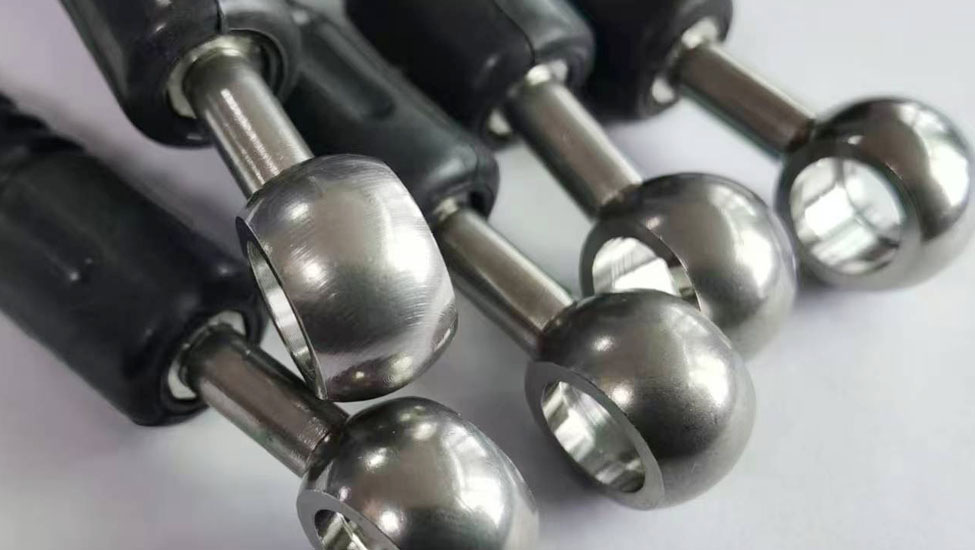
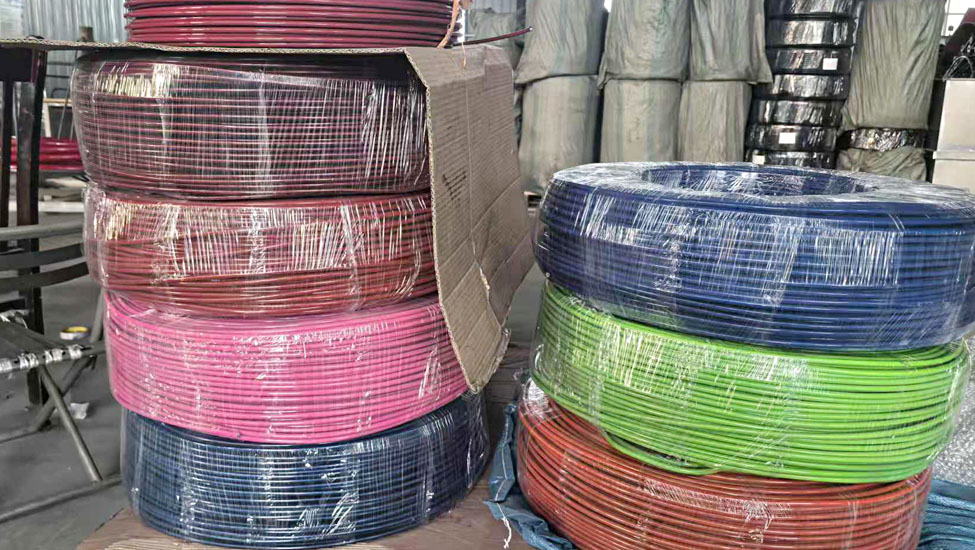
For distributors, importers, and workshop buyers, brake hose failure is not only a maintenance issue. It also affects product selection, customer safety, and return rates. Knowing the common warning signs can help you choose the right brake line before problems appear in the field.
When a brake hose expands more than normal under pressure, the pedal may feel soft, spongy, or less direct. This often becomes more noticeable after long driving, stop-and-go traffic, or repeated braking in hot weather.
For end users, this can feel like the system is “not holding pressure.” For buyers, it usually means the hose material or structure is not matched well to the application.
Visible damage is one of the easiest signs to identify. Cracks usually appear after aging, heat exposure, or repeated flexing. Bulges may indicate internal weakness or fluid-related deterioration. Surface wear often happens from road debris or poor routing.
Check the full hose length, not only the center section. Damage near the fittings and bend points is often the first place failure starts.
Even when the hose body looks acceptable, the fittings may fail first. Corrosion, loose crimping, or poor sealing can cause brake fluid leakage and pressure loss. This is especially important for humid, coastal, or high-salt environments.
Brake drag may happen when a hose becomes internally restricted or collapses. Uneven brake response can also indicate that one line in the system is aging faster than the others.
These product options are commonly used in different brake system projects and market requirements:
Need a custom fitment, sample check, or technical drawing review? Send us your requirement and we can help confirm the best solution for your vehicle type and target market. Contact us here.
Regular inspection is the simplest way to avoid hose failure. Keep the hose away from heat sources, make sure it does not touch the tire or suspension, and replace aging parts before leakage appears.
Common signs include cracks, swelling, leakage, soft pedal response, brake drag, and visible wear near bends or fittings.
For performance use, a properly designed upgraded brake hose can offer better stability and pedal consistency, especially under heat and repeated braking.
Check hose material, length, fitting specification, application type, and whether the product matches the vehicle platform and local usage conditions.


Here you can obtain valuable Brake Line Brake Hose technical articles
How Stainless Steel Braided Br
Read More Why Do Motorcycle Brake Lines
Read More How to Choose the Right Motorc
Read MoreInstant Chat Support
+8618903185773
nina@brakelinefactory.com
Get the latest information
Scan the code to follow
Return to the top of the page