When Should You Replace a Motorcycle Brake Hose? 7 Signs to Check
A motorcycle brake hose may look like a simple component, but it plays a critical role in transferring hydraulic pressure from the master cylinder to the brake caliper. A hose that is damaged, incorrectly routed or deteriorated can affect the reliability of the braking system.
For this reason, motorcycle owners, repair shops and parts distributors should know what to look for when inspecting a brake hose.
7 Signs That a Motorcycle Brake Hose May Need Replacement
1. Visible Cracks or Surface Damage
Cracks, cuts and damaged outer surfaces should never be ignored. If the protective layer has deteriorated or the hose has been damaged by contact with another component, further inspection is required.
2. Damaged Stainless Steel Braid
Stainless steel braided brake lines are designed to provide reinforcement around the inner tube. Broken or heavily worn braid can indicate mechanical damage.
Pay Attention to Areas That Rub Against the Motorcycle
Common contact points include the front fork, wheel, frame, brake caliper area and steering components. Repeated rubbing can gradually damage the hose surface.
3. Brake Fluid Leakage
Brake fluid around a fitting, banjo connection or hose surface is a serious warning sign. Do not assume that tightening a fitting will always solve the problem. The hose, fitting and sealing components should be inspected properly.
4. Excessive Hose Movement
A brake hose should have enough flexibility for normal steering and suspension movement, but it should not be loose enough to contact the wheel, tire or other moving components.
5. Unusual Brake Lever Feel
A soft or inconsistent brake lever can have many causes, including air in the hydraulic system, old brake fluid, worn components or hose-related problems. The brake hose should therefore be included in the inspection instead of assuming the hose is the only cause.
6. Corrosion Around the Fittings
Fittings and connection areas should be checked for corrosion, deformation or other damage. This is particularly important for motorcycles frequently used in humid, rainy or coastal environments.
7. Unknown Hose Age or History
When purchasing an older motorcycle, the maintenance history of the brake system may be unclear. If the existing hoses are old and their condition cannot be verified, replacing them as part of a complete brake system service may be worth considering.
Stainless Steel Braided Brake Lines vs. Conventional Rubber Hoses
Conventional rubber brake hoses are designed to flex and absorb movement, but the hose material can expand under hydraulic pressure. A braided construction adds external reinforcement that can limit this expansion.
This is one reason stainless steel braided brake lines are commonly selected for motorcycle performance applications and modified braking systems.
More Consistent Hydraulic Response
Reducing unwanted hose expansion can contribute to a more direct and consistent brake lever feel. The actual result depends on the complete brake system and the quality of the hose assembly.
Resistance to External Mechanical Stress
The stainless steel braid provides reinforcement, but it does not make the hose immune to abrasion or incorrect installation. Proper routing remains essential.
How to Choose a Replacement Motorcycle Brake Hose
Check the Hose Construction
Before ordering a replacement, determine whether the application requires rubber, PTFE, nylon or another hose construction.
Confirm Hose Length
The replacement hose should be long enough for the full steering and suspension range without creating excessive loops or unnecessary slack.
Confirm Fitting and Thread Specifications
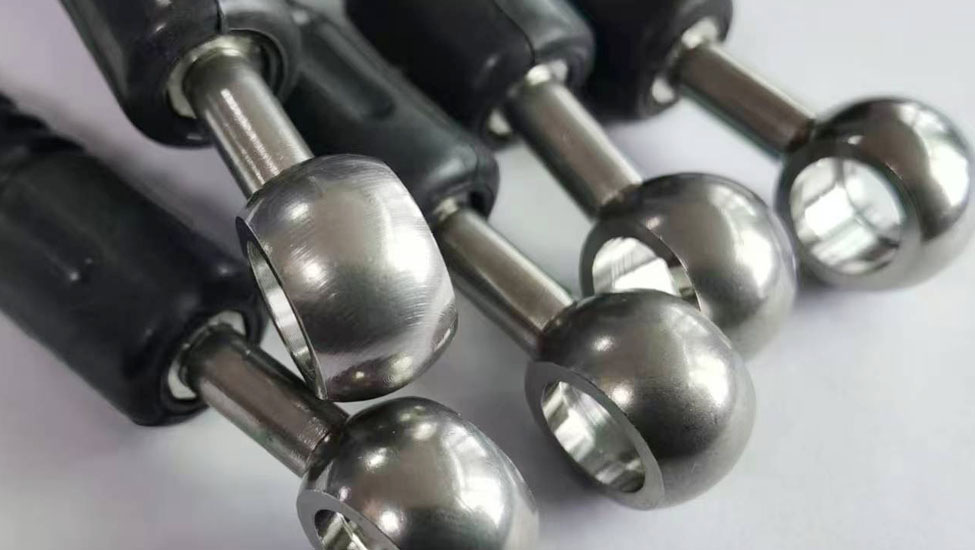
Thread size, banjo angle, fitting orientation and sealing method should be confirmed before production. These details are especially important for importers and distributors purchasing brake lines in bulk.
Check the Routing
A correctly sized hose can still cause problems if it is routed incorrectly. The line should be kept away from sharp edges, excessive heat, moving parts and areas where it may become trapped.
Brake Hose Options for Different Applications
Nylon Brake Line
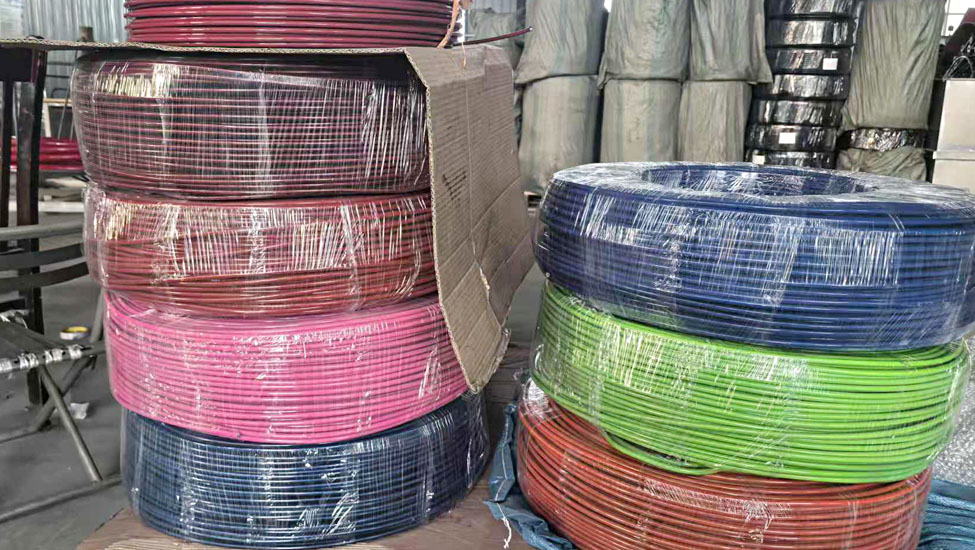
Our Nylon Brake Line is an option for applications requiring a lightweight hose construction and specific flexibility characteristics.
Nylon brake lines can be supplied in different configurations depending on the application. When selecting a nylon hose, buyers should confirm the working environment, pressure requirements, dimensions and connection method.
For motorcycle parts distributors and OEM customers, custom colors and specifications can also be discussed.
If you are developing a new application, you can send us your drawing or specifications before ordering.
Nylon Brake Line Assembly
For customers who require a complete hose rather than tubing alone, the Nylon Brake Line Assembly combines the selected hose with the required fittings.
This can simplify installation and reduce the need for additional assembly work for distributors, workshops and vehicle manufacturers.
When requesting a quotation, provide the hose length, fitting type, thread size, angle and estimated quantity whenever possible. Contact our team for custom assembly requirements.
Braided Brake Lines
Braided Brake Lines are commonly selected for modified motorcycles, performance vehicles and aftermarket brake systems where a reinforced hose construction is required.
The final specification should be based on the vehicle, braking system, installation method and required fitting configuration rather than appearance alone.
Maintenance Checklist for Motorcycle Brake Hoses
- Inspect the hose during routine brake service.
- Look for cuts, cracks and abrasion.
- Check the stainless steel braid for broken wires.
- Inspect fittings for corrosion.
- Check for brake fluid around connection points.
- Make sure the hose does not contact the tire or wheel.
- Check hose movement with the steering turned fully left and right.
- Inspect routing after suspension or handlebar modifications.
What Buyers Should Check Before Ordering Brake Lines
For individual motorcycle owners, compatibility is usually the first concern. For wholesalers and importers, product consistency and specification control become equally important.
Recommended Information for a Purchase Inquiry
- Vehicle model and year
- Front or rear brake application
- Required hose length
- Inner tube material
- Braid type
- Fitting material
- Thread specification
- Fitting angle
- Hose color
- Quantity
- OEM or aftermarket requirement
Providing this information at the beginning can reduce specification errors and make quotation and sample approval more efficient.
FAQ About Motorcycle Brake Hose Replacement
How long do motorcycle brake hoses last?
Service life varies according to hose material, construction, installation, temperature, vehicle use and environmental conditions. Instead of relying only on a fixed age, inspect the hose condition and follow the vehicle or component manufacturer's service recommendations.
Does a braided brake line improve braking performance?
A properly designed braided brake line can reduce hose expansion under hydraulic pressure and may provide a firmer or more consistent lever feel. However, braking performance also depends on the master cylinder, caliper, brake pads, discs, brake fluid and overall system condition.
Can I use one universal brake hose on different motorcycle models?
Universal brake hoses may work for certain applications, but compatibility must be confirmed. Hose length, fittings, thread size, angle and routing can vary between motorcycle models.
Should I choose PTFE or rubber brake hose?
The choice depends on the application. PTFE-based brake hoses are often selected for performance and temperature-related requirements, while rubber assemblies remain suitable for many conventional applications. The correct construction should be selected according to the vehicle and operating conditions.
Can a brake hose be customized according to a sample?
Yes. Custom hose assemblies can be developed based on drawings, samples, dimensions and fitting specifications. This is particularly useful for motorcycle parts distributors, workshops, importers and private-label brands.
Need a Custom Motorcycle Brake Hose?
We supply brake hoses and assemblies for motorcycle aftermarket, OEM and wholesale applications. Our product range includes stainless steel braided brake lines, PTFE brake lines, nylon brake lines, rubber brake hose assemblies and related fittings.
If you are not sure which hose construction or fitting configuration is suitable for your application, send us your drawing, sample, photos, dimensions or existing hose specification.