How to Identify Brake System Corrosion Before It Causes a Brake Problem
Brake system corrosion usually does not appear overnight. In many cases, the first signs are small areas of rust, discoloration, damaged fittings, or fluid stains. These symptoms can be easy to ignore during normal driving.
However, brake hydraulics operate under pressure. A damaged hose, corroded fitting, or weakened connection can eventually lead to fluid leakage or reduced hydraulic pressure.
For motorcycles, cars, SUVs, and modified vehicles, a simple inspection can help identify potential problems before they become more expensive repairs.
Where Does Brake Corrosion Usually Start?
Brake Hose Fittings
Brake hose fittings are exposed to water, dirt, road spray, and temperature changes. Corrosion often becomes visible around the connection between the hose and the caliper or master cylinder.
Banjo Bolts and Washers
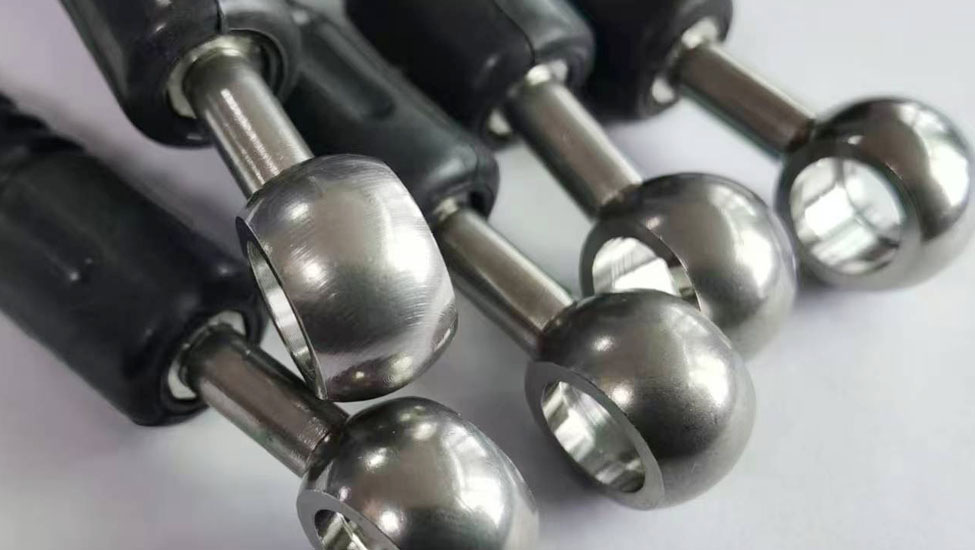
Many motorcycle and automotive brake systems use banjo-style connections. The bolt, sealing washers, and surrounding surfaces should be checked whenever the brake hose is removed or serviced.
Bleeder Screws
Bleeder screws are exposed to moisture and brake fluid during servicing. Corrosion or damaged threads can make bleeding the brake system difficult and may affect the quality of the seal.
Steel Brake Pipes
Rigid steel brake pipes can corrode when their protective coating is damaged. Surface rust should be monitored, while deep corrosion or visible pitting requires professional inspection.
7 Signs That Your Brake Components May Be Corroded
1. Visible Rust
Surface rust is an obvious warning sign, but the important point is to identify where the corrosion is located. Rust on a cosmetic bracket is different from corrosion on a pressure-carrying brake component.
2. Flaking or Pitted Metal
Flaking coatings and deep pits indicate more serious corrosion. Components with significant material loss should not be judged only by their appearance from a distance.
3. Brake Fluid Around a Fitting
Brake fluid residue around a hose connection, caliper, or master cylinder should be investigated immediately. The source may be a damaged seal, incorrect fitting, damaged hose end, or corrosion-related sealing problem.
4. A Soft Brake Lever or Pedal
A soft brake lever does not automatically mean corrosion. Air in the system, old fluid, hose expansion, worn components, or leakage can all create similar symptoms.
The correct approach is to inspect the complete hydraulic system instead of replacing one component without identifying the cause.
5. Difficulty Bleeding the Brake System
If bleeding becomes unusually difficult, inspect the bleeder screw, hose connections, brake fluid condition, and hydraulic components. Corroded threads or damaged sealing surfaces may complicate servicing.
6. Discolored Brake Fluid
Brake fluid condition is another useful maintenance indicator. Fluid contamination and moisture absorption can affect hydraulic system performance and should be addressed according to the vehicle or brake fluid manufacturer's recommendations.
7. Brake Performance Changes After Long-Term Storage
Vehicles that remain unused for long periods can develop corrosion around exposed components. Before returning a stored vehicle to regular use, inspect the brake hoses, fittings, calipers, discs, and fluid system.
Can a Different Brake Hose Construction Help?
The answer depends on the application. Different brake hose materials are designed for different requirements, and corrosion resistance is only one part of the selection process.
Stainless Steel Braided Brake Lines
Stainless steel braided brake lines are widely used in motorcycle, performance car, and modified vehicle applications.
The stainless steel braid can provide mechanical protection around the inner hose and can be combined with an appropriate protective coating or outer layer for applications where additional environmental protection is required.
Important Selection Points
- Stainless steel grade
- Inner tube material
- Braid construction
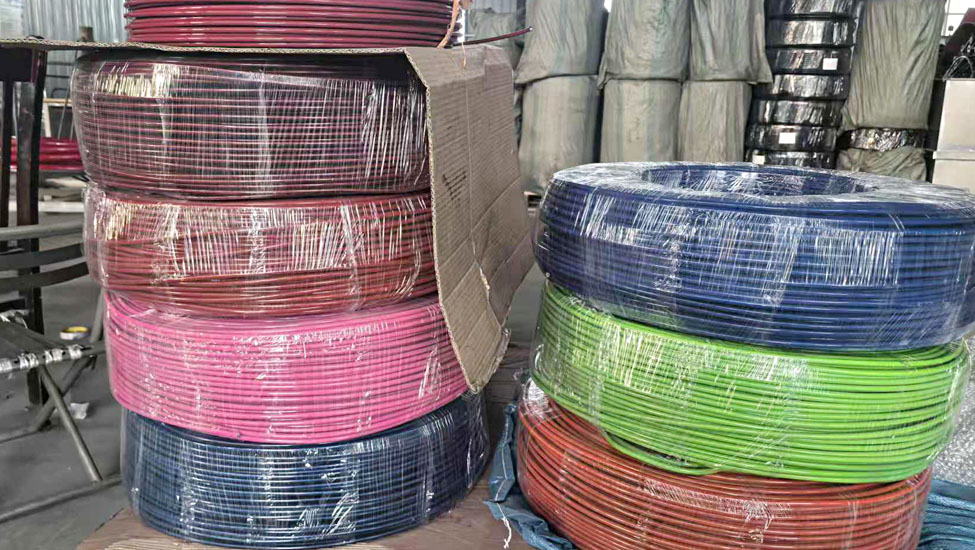
- Outer coating or protective layer
- Fitting material
- Pressure and temperature requirements
PTFE Brake Line
A Teflon Brake Line with a PTFE inner tube is commonly selected for performance and custom hydraulic applications because PTFE offers good chemical resistance and stable performance across a broad temperature range.
When combined with stainless steel reinforcement, PTFE brake hoses can provide a different performance profile from conventional rubber brake hoses.
Nylon Brake Line
A Nylon Brake Line can be used in applications where flexibility, weight, chemical resistance, and specific routing requirements are important.
Nylon-based brake line solutions should always be selected according to the required pressure, temperature, fluid compatibility, fitting design, and vehicle application.
Brake Hose Selection Guide for Importers and Distributors
1. Ask for Technical Specifications
When purchasing brake hoses from an overseas manufacturer, avoid comparing suppliers only by price. Ask for material specifications, hose dimensions, fitting specifications, pressure requirements, and testing information.
2. Confirm Fitting Compatibility
Different markets and vehicle manufacturers use different thread standards and connection configurations. A hose with the correct length but incorrect fitting specification cannot be treated as a suitable replacement.
3. Consider the Operating Environment
A motorcycle used in a tropical coastal area has different environmental requirements from a vehicle used in a dry climate. Humidity, road salt, mud, temperature, UV exposure, and cleaning chemicals should be considered when selecting the outer protection.
4. Consider the Installation Method
The best hose cannot compensate for incorrect installation. Brake hoses must have sufficient clearance and should not be twisted, stretched, sharply bent, or exposed to excessive heat.
PTFE Brake Line Assembly for Custom Projects
For customers that need a complete solution rather than loose hose material, a PTFE Brake Line Assembly can be manufactured according to specified hose length and fitting configuration.
This can simplify procurement for distributors and workshops because the hose and fittings are supplied as one assembly rather than requiring additional hose-end assembly work.
For applications using nylon construction, a Nylon Brake Line Assembly can also be considered when its material and pressure specifications match the intended brake system.
Standard Rubber Brake Hose Solutions
For conventional replacement applications, a Rubber Brake Line Assembly may be the appropriate option.
Rubber hose remains widely used in standard braking systems because of its flexibility and established application history. The important point is to select the correct hose specification rather than assuming that one construction is suitable for every vehicle.
Brake Hose Maintenance Tips for Daily Use
Inspect the Hose During Brake Service
Whenever brake pads, calipers, discs, or brake fluid are serviced, take a few minutes to inspect the hose and fittings.
Check for Hose Movement
Excessive movement can indicate incorrect routing or insufficient fixation. The hose should follow the intended suspension movement without being stretched or twisted.
Clean Contaminated Areas
Oil, dirt, mud, and cleaning chemicals should not be allowed to remain around brake hose connections for long periods.
Do Not Ignore Small Leaks
Brake fluid leakage should never be treated as a cosmetic issue. The complete connection should be inspected before the vehicle is returned to normal operation.
FAQ: Brake Corrosion and Brake Hose Upgrades
How long does a brake hose normally last?
Service life depends on material, vehicle use, climate, installation, mileage, and manufacturer requirements. Instead of relying on one universal replacement period, inspect the hose regularly for cracking, swelling, abrasion, leakage, and fitting damage.
Does a stainless steel braided brake hose automatically make a vehicle safer?
No component should be considered a standalone safety upgrade. A correctly specified braided brake hose can offer advantages such as reduced hose expansion and additional mechanical protection, but overall braking safety depends on the entire hydraulic and mechanical brake system.
Can I use the same brake hose for different vehicle models?
Not necessarily. Even similar vehicles may use different hose lengths, fitting angles, thread specifications, and connection designs. Application-specific confirmation is recommended.
What should I do if I find rust on a brake fitting?
First determine whether it is light surface corrosion or deeper corrosion affecting the fitting, thread, or sealing surface. If the component is structurally compromised, it should be replaced and the brake system should be inspected by a qualified technician.
Can you manufacture a brake hose according to a sample?
Yes. A physical sample, technical drawing, dimensions, fitting information, or vehicle application can be used as a starting point for confirming a custom brake hose requirement.
Need a Custom Brake Hose?
Every brake hose project is slightly different. Vehicle model, hose length, fitting type, routing, material, operating environment, and expected quantity all influence the final specification.
Our main products include PTFE brake lines, Teflon brake lines, nylon brake lines, rubber brake hose assemblies, PTFE brake line assemblies, nylon brake line assemblies, and stainless steel braided brake lines for different applications.
If you are developing a new product, replacing an existing hose, or sourcing brake hose assemblies for distribution, you can send us your drawing, sample, photos, dimensions, or fitting specifications.
Contact us for a brake hose solution and our technical team can review the requirements before production.