- +86 18903185773
- nina@brakelinefactory.com
- Monday - Sunday 9.00 - 18.00

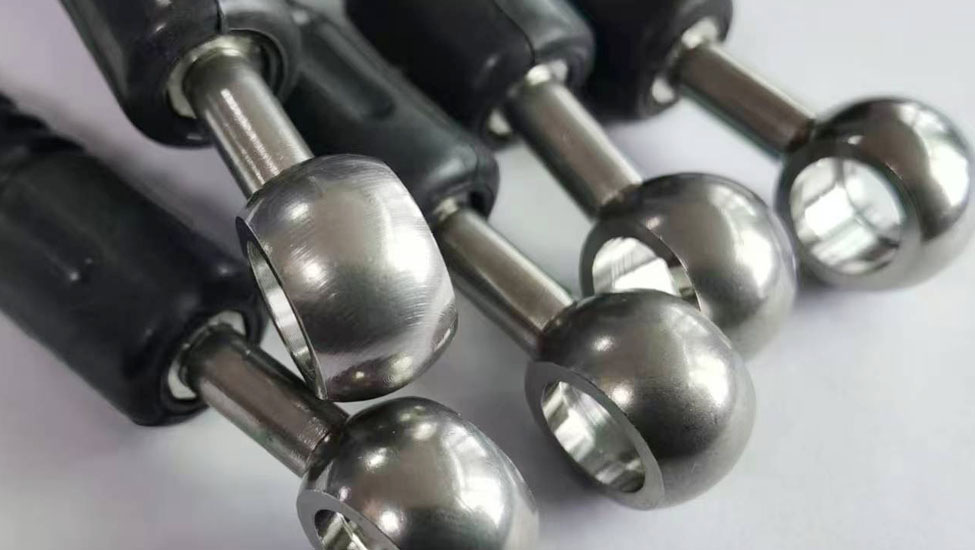
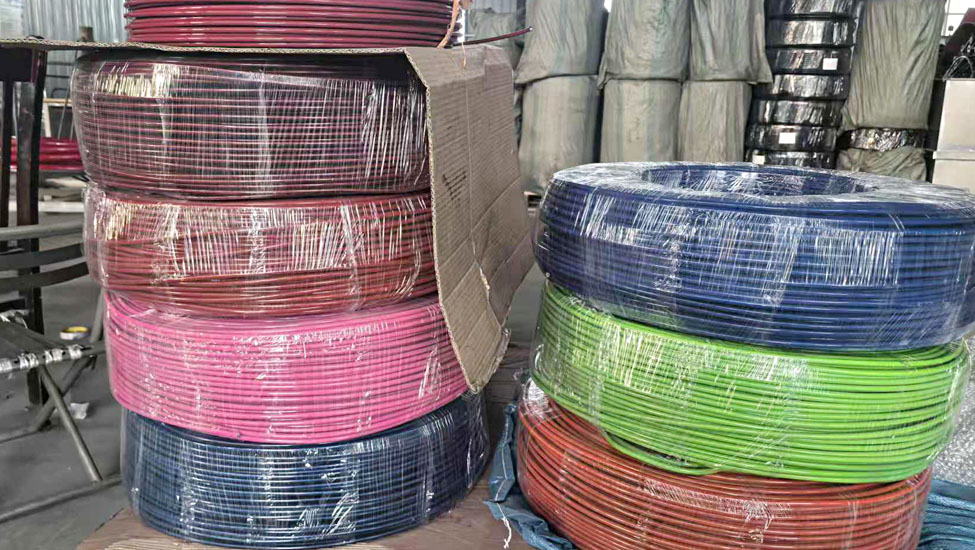
Brake hoses play a critical role in transferring hydraulic pressure from the brake system to the calipers. Although brake hoses are designed for long-term use, they are constantly exposed to high pressure, temperature changes, moisture, and road conditions. Over time, aging brake hoses may affect braking performance and driving safety.
Many vehicle owners and workshops ask: When should brake hoses be replaced? The replacement time depends on the hose material, vehicle usage, climate conditions, and maintenance history.For vehicles operating in hot and humid regions such as Southeast Asia, the Middle East, Africa, and tropical markets, regular brake hose inspection is especially important.
As a professional brake hose manufacturer, we provide OEM brake line solutions for motorcycles, cars, SUVs, ATVs, and modified vehicles, including PTFE brake hoses, stainless steel braided brake lines, rubber brake assemblies, and customized brake hose systems.
A damaged brake hose may not always show obvious external problems. Some failures happen inside the hose structure, causing unstable brake pressure or delayed braking response.
One of the most common signs of brake hose problems is a soft brake pedal.When the brake hose expands under pressure, part of the hydraulic force is absorbed by hose expansion instead of pushing the brake caliper effectively.
This condition may result in:
Rubber brake hoses naturally age due to heat, oxygen, brake fluid exposure, and environmental conditions.Small cracks on the outer surface may indicate that the internal reinforcement layer has started weakening.
If you notice:
The brake hose should be inspected and replaced immediately.
Aged brake hoses can sometimes collapse internally.When this happens, brake fluid may flow in one direction but cannot return smoothly, causing the brake caliper to remain partially engaged.
Common symptoms include:
The average lifespan of a brake hose depends on the material and application.
Traditional rubber brake hoses are widely used in original equipment applications.Under normal driving conditions, they usually require inspection after several years of use.
However, vehicles in high-temperature environments, heavy traffic areas, or modified applications may require earlier replacement.
Performance vehicles and motorcycles often upgrade to PTFE-based brake solutions because of their excellent pressure stability and temperature resistance.
Our PTFE Brake Line Assemblyis designed for customers requiring consistent braking performance, customized fittings, and reliable hydraulic pressure transmission.
Standard rubber hoses are designed for general vehicle use, but modified vehicles often require higher performance.During aggressive braking, rubber hoses may slightly expand, reducing pedal feedback.
Upgrading to Teflon Brake Lineand braided brake solutions can provide:
High-performance brake hoses are commonly used in:
We manufacture different types of brake hose products according to customer requirements, including material selection, hose length, fittings, colors, and packaging.
Our Teflon Brake Lineis suitable for customers looking for high-performance brake hose solutions with excellent chemical resistance and stable performance.
The Nylon Brake Lineprovides lightweight and flexible characteristics for specific automotive and industrial applications.
Our Nylon Brake Line Assemblycan be customized according to drawings, samples, connection methods, and customer specifications.
For replacement markets and OEM applications, our Rubber Brake Line Assemblyprovides reliable sealing performance and professional assembly quality.
For overseas distributors and workshops, choosing a stable brake hose supplier is important.A professional manufacturer should provide technical support, sample confirmation, production inspection, and customized solutions.
If you need customized brake hoses for motorcycles, cars, SUVs, or modified vehicles, our engineering team can develop solutions based on your drawings, samples, or technical requirements.
We support OEM production, custom lengths, different fittings, colors, and packaging solutions for global customers.
Contact our team for custom brake hose solutions.
Brake hoses should be inspected regularly. Replacement depends on hose condition, material, climate, and vehicle usage.Any signs of cracks, leakage, swelling, or poor braking response require immediate inspection.
Yes. Aging or damaged brake hoses may reduce hydraulic pressure transmission and affect braking performance.Regular inspection and timely replacement help maintain safe operation.
Braided brake lines help reduce hose expansion under pressure, providing more consistent brake pedal feedback, especially for modified and performance vehicles.
Yes. PTFE brake lines are widely used in motorcycle upgrades because they provide excellent pressure stability, durability, and customization options.
Yes. We provide OEM and custom manufacturing services. Customers can send drawings, samples, or specifications for evaluation.


Here you can obtain valuable Brake Line Brake Hose technical articles
How Stainless Steel Braided Br
Read More Why Do Motorcycle Brake Lines
Read More How to Choose the Right Motorc
Read MoreInstant Chat Support
+8618903185773
nina@brakelinefactory.com
Get the latest information
Scan the code to follow
Return to the top of the page