- +86 18903185773
- nina@brakelinefactory.com
- Monday - Sunday 9.00 - 18.00

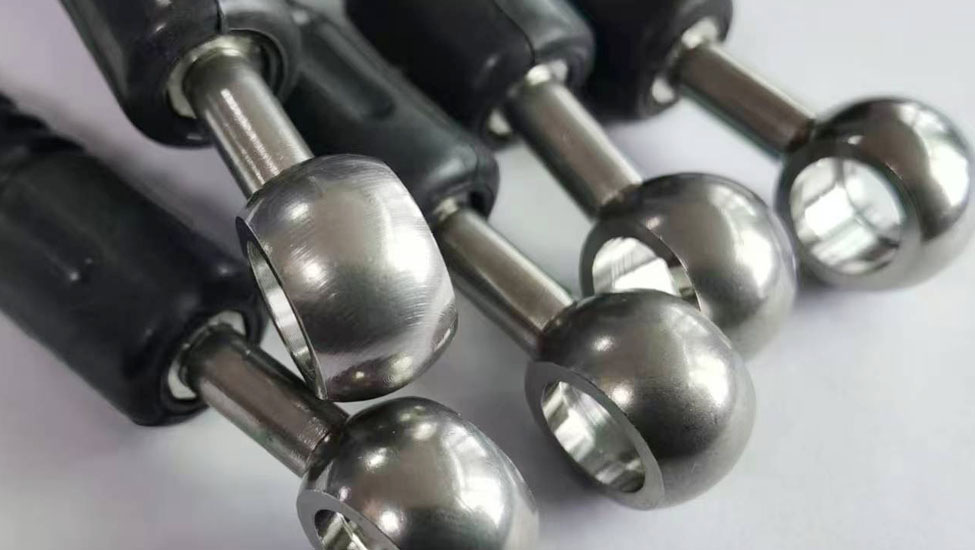
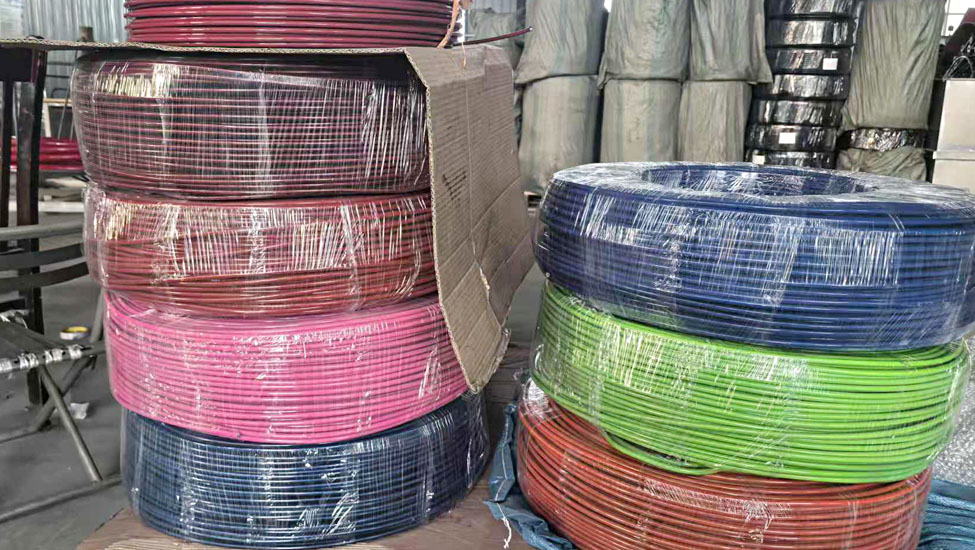
The motorcycle brake system is one of the most important safety systems, and the brake hose plays a critical role in transferring hydraulic pressure. Many motorcycles are equipped with standard rubber brake hoses from the factory because they provide good flexibility and cost efficiency. However, as motorcycle performance requirements increase, more riders, racing teams, repair workshops, and aftermarket distributors are choosing upgraded braided brake lines.
This article explains the differences between OEM rubber brake hoses and performance braided brake lines, helping motorcycle owners and global buyers understand why upgrading the brake hose has become a popular modification in Southeast Asia, the Middle East, Japan, Korea, and Africa markets.
Although both rubber brake hoses and braided brake lines perform the same basic function — transferring brake fluid pressure from the master cylinder to the brake caliper — their internal structure and performance characteristics are different.
Traditional rubber brake hoses usually consist of an inner rubber tube, reinforcement layer, and outer protective rubber layer. They are designed to meet normal daily riding conditions and provide flexibility for standard motorcycles.
For standard replacement markets, ourRubber Brake Line Assemblyprovides reliable hydraulic brake solutions for different motorcycle and vehicle applications.
A braided brake line uses a PTFE or other high-performance inner tube with stainless steel wire reinforcement on the outside. The braided structure helps reduce hose expansion when hydraulic pressure increases.
The motorcycle modification market continues to grow worldwide. Riders are not only upgrading engines and suspension systems but also focusing on braking performance. A high-quality brake hose upgrade can improve the consistency and confidence of the braking system.
During repeated braking, especially in racing, touring, or mountain riding conditions, rubber hoses may slightly expand under high pressure. This can create a softer brake lever feeling.
A stainless steel braided brake line helps minimize expansion and provides a more direct hydraulic response.
Many countries in Southeast Asia and the Middle East experience high ambient temperatures. Motorcycles used in these regions often operate under challenging conditions, including traffic congestion, long-distance riding, and frequent braking.
High-performance brake hoses are designed to maintain stable performance under heat and pressure, making them suitable for demanding environments.
For modified motorcycles, custom bikes, racing motorcycles, and premium models, brake hose selection is an important part of the upgrade process.
Professional riders and workshops usually choose:
Material selection directly affects brake hose performance. PTFE and rubber are two common materials used in hydraulic brake hose production.
PTFE brake hose is widely used in high-performance braking systems because of its excellent chemical resistance, low friction characteristics, and stable pressure performance.
OurTeflon Brake Lineis designed for customers requiring high-quality braking solutions for motorcycles, racing vehicles, and special applications.
For complete customized solutions, we also manufacture:
PTFE Brake Line Assemblyfor motorcycles, cars, ATVs, and customized hydraulic systems.
Rubber brake hoses are still a practical choice for many standard motorcycles, especially when customers require economical replacement parts for daily riding applications.
The correct choice depends on riding style, vehicle requirements, and market demand.
For distributors, wholesalers, and motorcycle accessory brands, selecting the right brake hose supplier is more important than simply choosing the lowest price.
A professional brake hose manufacturer should have experience in hose production, braiding, assembly, crimping, and quality control.
Different markets require different brake hose specifications, including:
Professional buyers usually select different products according to application:
We specialize in manufacturing aftermarket brake hoses for motorcycles, cars, electric vehicles, ATVs, and customized applications.
Our main products include:
With professional production capability and customization experience, we support global distributors, motorcycle accessory brands, and repair workshops with reliable brake hose solutions.
If you have drawings, samples, or specific requirements, our engineering team can help develop suitable brake hose products according to your application.
Send your specifications and discuss your project with our team:
Braided brake lines can improve brake system consistency by reducing hose expansion and maintaining more stable hydraulic pressure. However, overall braking performance also depends on brake pads, calipers, brake fluid, and installation quality.
Service life depends on material quality, climate conditions, riding habits, and maintenance. Regular inspection is recommended, especially for motorcycles used in hot climates or aggressive riding conditions.
In most cases, upgraded braided brake lines can replace OEM rubber hoses when the length, fittings, and specifications are correctly matched.
Customers should provide motorcycle model, hose length, fitting specifications, application requirements, and drawings or samples if available.


Here you can obtain valuable Brake Line Brake Hose technical articles
How Stainless Steel Braided Br
Read More Why Do Motorcycle Brake Lines
Read More How to Choose the Right Motorc
Read MoreInstant Chat Support
+8618903185773
nina@brakelinefactory.com
Get the latest information
Scan the code to follow
Return to the top of the page