What Is a Brake Hose? Structure, Function and Why Performance Upgrades Matter in 2026
The brake hose is a critical hydraulic component in every vehicle braking system. It connects the rigid brake lines to the calipers or wheel cylinders, allowing brake fluid to transfer pressure while accommodating suspension movement. For performance vehicles and modified cars across Southeast Asia, the Middle East, Japan and Korea, upgrading brake hoses has become one of the most practical safety improvements.
What Is a Brake Hose and How Does It Work?
A brake hose carries high-pressure brake fluid from the master cylinder to the brake caliper. When the driver presses the brake pedal, hydraulic pressure is transmitted instantly through the hose, activating the braking mechanism.
Main Functions:
- Transfer hydraulic pressure efficiently
- Absorb vibration and suspension movement
- Resist high temperature and corrosion
- Maintain stable pedal feel under repeated braking
Comparison of Different Brake Hose Materials and Structures
1. Rubber Brake Hose
Traditional rubber hoses are widely used in OEM vehicles. They are flexible and cost-effective but tend to expand under high pressure, reducing braking precision.
For OEM-style replacement, see our Rubber Brake Line Assembly.
If you are unsure about specifications or need custom fittings, please send us your drawings or samples. Our engineering team can assist you directly. Contact us here.
2. Nylon Brake Line
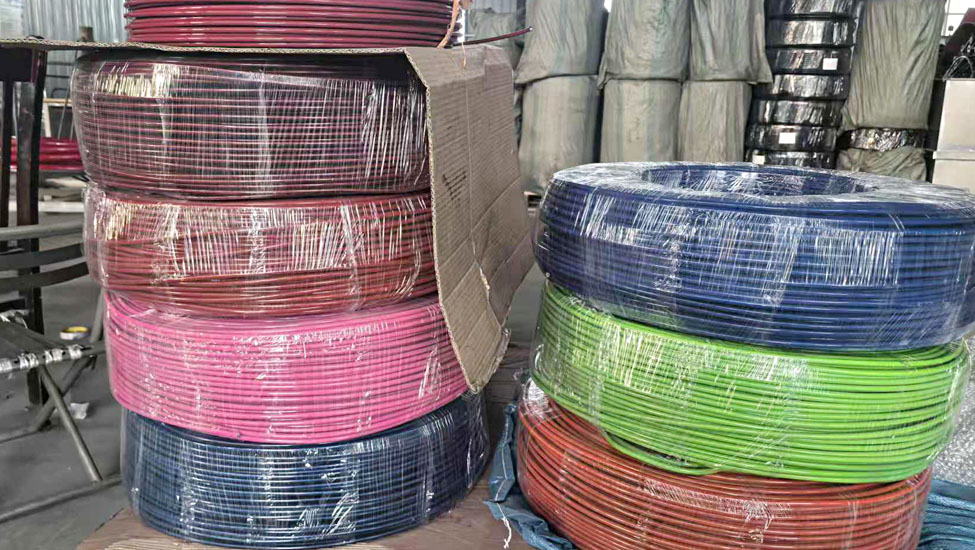
Nylon brake hoses offer improved chemical resistance and lighter weight. They are commonly used in certain hydraulic systems and special vehicle applications.
Related products:Nylon Brake Line |Nylon Brake Line Assembly
Need custom length or fittings? Share your technical drawings or working pressure requirements. Contact our team for fast support.
3. PTFE / Teflon Braided Brake Hose
PTFE (Teflon) inner core combined with stainless steel braided reinforcement provides superior pressure resistance and minimal expansion. This design significantly improves pedal response and braking consistency.
Explore:Teflon Brake Line |PTFE Brake Line Assembly
For high-performance builds, racing applications, or extreme climate use in Middle Eastern markets, PTFE braided solutions are strongly recommended.
If you have special coating requirements or custom end fittings, contact us here.
Performance Differences and Real Impact
- Rubber: Comfortable but expands under high pressure.
- Nylon: Lightweight and corrosion-resistant.
- PTFE Braided: Minimal expansion, sharper pedal feel, higher burst strength.
In hot climates such as the Middle East, heat resistance and pressure stability are critical. Stainless braided PTFE hoses show better long-term durability under extreme temperatures.
Practical Benefits of Upgrading Brake Hoses
- Improved pedal response
- More consistent braking performance
- Reduced hose swelling
- Enhanced driving confidence
- Better compatibility with performance calipers
Installation and Selection Tips
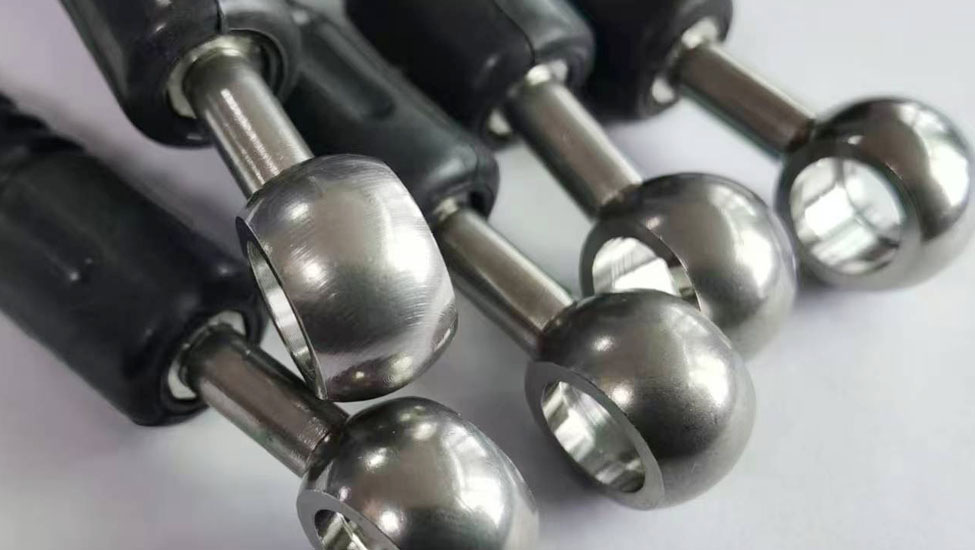
- Always match correct fitting type (AN, banjo, metric)
- Confirm working pressure rating
- Choose proper length to avoid tension
- Ensure compliance with regional standards
Maintenance and Replacement Cycle
- Daily vehicles: inspect every 20,000 km
- Performance vehicles: inspect every season
- Replace immediately if cracks, swelling or leakage appear
FAQ – Common Questions About Brake Hose Upgrades
How often should brake hoses be replaced?
Standard rubber hoses typically last 3–5 years. Performance PTFE braided hoses last longer but should still be inspected regularly.
Does upgrading brake hoses improve safety?
Yes. Reduced expansion improves braking consistency and pedal control, especially during repeated hard braking.
Are braided brake lines suitable for all vehicles?
Most passenger cars and performance vehicles can be upgraded, provided correct fittings and lengths are selected.
Our Main Brake Line Products
- Teflon Brake Line
- Nylon Brake Line
- PTFE Brake Line Assembly
- Nylon Brake Line Assembly
- Rubber Brake Line Assembly
- Braided Brake Lines for performance vehicles