- +86 18903185773
- nina@brakelinefactory.com
- Monday - Sunday 9.00 - 18.00

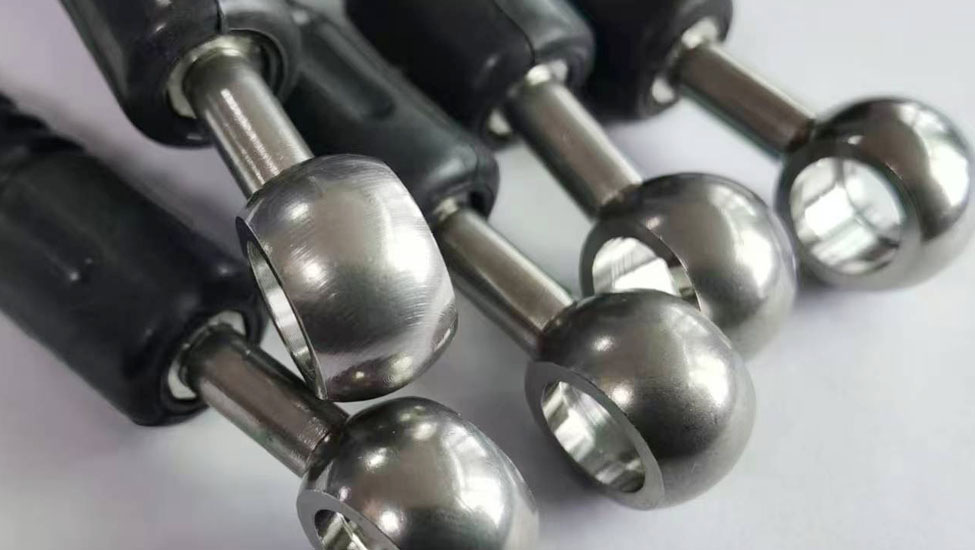
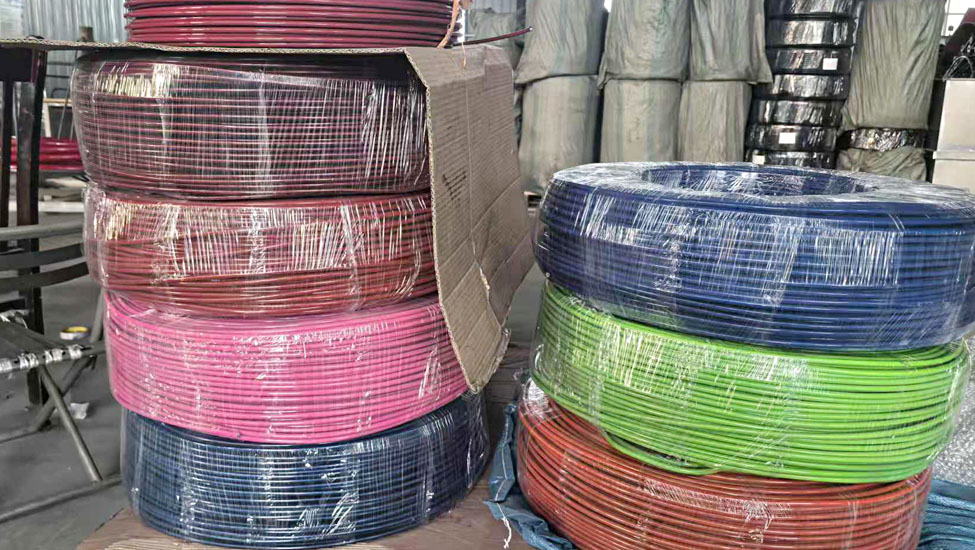
Brake hose leakage is one of the most serious warning signs in a braking system. In daily use, a leak may start small, but it can quickly affect pedal feel, braking response, and overall safety. For markets in Southeast Asia, the Middle East, Japan, Korea, and Africa, heat, humidity, vibration, and road conditions can make this problem appear earlier than expected.
Fluid around the connection area often points to seal failure, loose fitting torque, or corrosion at the joint.
When fluid escapes from the system, hydraulic pressure drops and the pedal may feel soft, spongy, or less responsive.
A falling reservoir level or dashboard warning should never be ignored. These are often the first visible signs of a leak.
Over time, rubber and low-grade hose materials can harden, crack, or lose sealing performance, especially in hot climates.
Brake fluid, engine heat, road contamination, and moisture can all damage the outer layer and fittings.
In humid or coastal regions, metal fittings may corrode and reduce sealing reliability.
Rubber brake line assembly is common in replacement markets, but it may age faster under heat and repeated pressure cycles.
PTFE brake line assembly offers better pressure stability and is often selected for upgrade projects that need improved durability.
Teflon brake line is a strong option when the buyer wants lower expansion and better resistance to heat-related degradation.
Nylon brake line is used in some custom applications where routing flexibility and lightweight structure are important.
These product pages can help buyers compare replacement and upgraded hose solutions:
We also supply braided brake lines for buyers who want better reinforcement and a more performance-oriented product range.
If you have drawings, samples, or a target vehicle list, send them to us and we can help confirm the right specification. Contact us here.
Brake hoses should be inspected regularly and replaced when leakage, cracking, or soft pedal symptoms appear.
Yes, a better hose structure can improve pressure stability and reduce leakage risk in demanding conditions.
No, hose selection must match the vehicle model, brake system layout, and fitting type.


Here you can obtain valuable Brake Line Brake Hose technical articles
How Stainless Steel Braided Br
Read More Why Do Motorcycle Brake Lines
Read More How to Choose the Right Motorc
Read MoreInstant Chat Support
+8618903185773
nina@brakelinefactory.com
Get the latest information
Scan the code to follow
Return to the top of the page