Motorcycle Brake Hose Problems: Common Causes, Warning Signs and Upgrade Solutions
A motorcycle brake hose may look like a simple flexible tube, but it plays an important role in transferring hydraulic pressure from the master cylinder to the brake caliper. When the hose becomes damaged, swollen, leaking or incorrectly routed, braking performance can be affected.
For motorcycle owners, repair shops and aftermarket parts buyers, understanding common brake hose problems is useful when deciding whether to replace the original hose or upgrade to a higher-performance brake line.
Why Does a Motorcycle Brake Hose Need Regular Inspection?
Brake hoses operate under hydraulic pressure and are exposed to vibration, temperature changes, road debris, moisture and repeated movement. Over time, these conditions can affect the hose, fittings and protective covering.
Motorcycle service information commonly recommends checking brake hoses and fittings for deterioration, cracks and leakage. A hose showing damage, bulging or leakage should be inspected and replaced when necessary.
Brake Hose Is a Safety-Critical Component
Unlike many exterior motorcycle components, a brake hose directly affects the hydraulic braking circuit. A small leak or damaged hose should therefore never be treated as a cosmetic problem.
5 Common Signs of a Motorcycle Brake Hose Problem
1. The Brake Lever Feels Soft or Spongy
A soft brake lever can have several causes, including air in the hydraulic system, old brake fluid, worn brake components or problems with the flexible hose.
If the brake system has already been correctly serviced and the lever still feels unusually soft, the hose and fittings should also be inspected.
2. The Brake Hose Looks Swollen
Bulging or abnormal expansion of a brake hose is a warning sign. A hose that changes shape noticeably under hydraulic pressure should be inspected rather than continued in service without investigation.
For riders looking for a more stable hose construction, a stainless steel reinforced Teflon Brake Line can be considered for suitable motorcycle applications.
3. Brake Fluid Appears Around the Fittings
Brake fluid around a banjo fitting, hose connection or crimped section requires immediate attention.
Possible causes include damaged sealing washers, incorrect installation, damaged fittings or deterioration of the hose assembly.
Do not assume that a small amount of fluid is harmless. The source should be identified before the motorcycle is returned to normal use.
4. The Hose Shows Cracks or Abrasion
Inspect the complete length of the hose rather than checking only the visible section near the master cylinder.
Pay particular attention to areas close to the fork, frame, brake caliper, hose brackets and other moving components.
Continuous rubbing can gradually damage the outer covering and, in severe cases, expose the reinforcement layer.
5. The Brake Hose Has Been Stretched or Twisted
A brake hose should follow the correct routing specified for the motorcycle. After changing handlebars, forks, brake calipers or other components, the original hose routing may no longer be suitable.
The hose should have enough freedom for steering and suspension movement without becoming stretched, sharply bent or twisted.
Why Do Some Riders Upgrade From Rubber to Braided Brake Lines?
Rubber brake hoses remain widely used because they are flexible, practical and economical. However, motorcycle enthusiasts and performance-oriented workshops may choose stainless steel braided brake lines when upgrading the braking system.
More Controlled Hose Expansion
Hydraulic pressure increases rapidly when the brake lever is applied. A reinforced hose is designed to control dimensional changes under pressure.
This can contribute to a more consistent brake lever response, particularly when the motorcycle is used repeatedly under hard braking.
More Consistent Brake Feel
One of the reasons riders choose braided brake lines is the more direct and consistent feel they can provide when compared with an aging or highly flexible conventional hose.
However, brake feel is affected by the complete braking system. The master cylinder, caliper, brake pads, brake discs, fluid and tyres should all be considered.
Suitable for Modified Motorcycles
Aftermarket motorcycles often use different handlebars, forks, calipers or brake components. A standard OEM hose may no longer provide the correct length or fitting position.
In these situations, a customized brake hose assembly can be designed according to the actual motorcycle configuration.
PTFE Brake Hose for Performance Applications
PTFE is widely used as an inner tube material in performance brake hose construction. It provides a stable fluid passage and good chemical resistance.
Our PTFE Brake Line Assembly can be produced according to different hose lengths, fitting types and application requirements.
For customers who are looking for a PTFE-based brake hose solution, our Teflon Brake Line range can also be considered for customized motorcycle and automotive applications.
Nylon Brake Hose for Different Applications
Not every brake hose application requires exactly the same material. Nylon can be selected where its flexibility, mechanical characteristics and application requirements are appropriate.
For customers looking for nylon-based products, our Nylon Brake Line can be supplied according to project specifications.
Complete assemblies are also available through our Nylon Brake Line Assembly product range.
When Is a Rubber Brake Hose Still a Good Choice?
A braided brake line is not automatically the correct solution for every motorcycle.
Rubber hoses remain practical for many standard applications where flexibility, conventional construction and cost efficiency are important considerations.
For these applications, our Rubber Brake Line Assembly can be customized according to the required hose specifications.
What Should You Check Before Buying a Replacement Brake Hose?
Check the Motorcycle Model
Always confirm the motorcycle brand, model and model year. Similar-looking motorcycles may use different brake hose lengths or fitting specifications.
Check the Hose Length
Measure the actual required routing rather than selecting a length based only on the motorcycle model name.
The hose should allow full steering and suspension movement without becoming stretched or excessively loose.
Check the Fittings
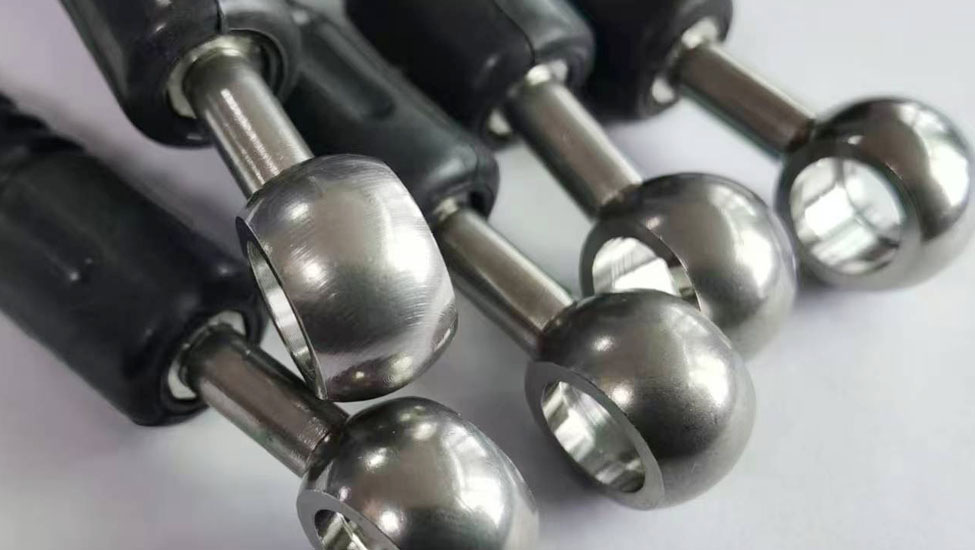
Fitting thread, banjo size, fitting angle and orientation all need to be confirmed before ordering a custom brake hose.
Check ABS Configuration
ABS-equipped motorcycles can have a more complicated hydraulic circuit than conventional brake systems. The replacement hose should be designed according to the actual system configuration.
Check the Outer Protection
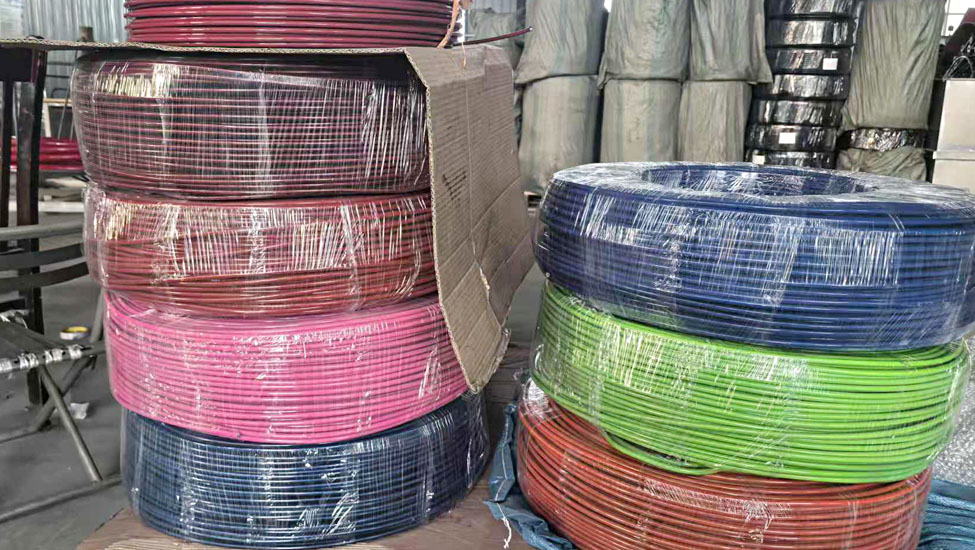
Depending on the application, customers may choose different outer coatings or protective layers over the stainless steel braid.
How Can You Prevent Premature Brake Hose Damage?
Correct installation is just as important as the quality of the hose itself.
- Keep the hose away from sharp edges.
- Avoid continuous rubbing against the fork, frame or wheel.
- Do not allow the hose to become stretched during full steering movement.
- Check the hose after changing handlebars or suspension components.
- Inspect fittings for corrosion, cracks and signs of leakage.
- Follow the motorcycle manufacturer's installation and torque requirements.
- Replace damaged sealing components where required.
How to Inspect a Motorcycle Brake Hose During Routine Maintenance
Step 1: Inspect the Hose Surface
Look for cracks, cuts, abrasion, swelling, corrosion or damaged protective covering.
Step 2: Check the Fittings
Inspect both ends of the hose for leakage, corrosion, cracks or abnormal movement around the fittings.
Step 3: Check the Routing
Turn the handlebars through the normal range and check that the hose does not become stretched, kinked or trapped.
Step 4: Check After Modification
If the motorcycle has received new handlebars, forks, calipers or other brake components, inspect the complete hose routing again.
Custom Motorcycle Brake Hose for Overseas Buyers
For motorcycle distributors, wholesalers, workshops and aftermarket brands, finding a standard hose that fits every modified motorcycle is not always practical.
Custom production allows the hose length, material, fittings and assembly configuration to be matched to the actual application.
A sample hose, drawing or even clear photos of the original assembly can help the factory understand the required specifications.
Information We Recommend Sending to the Factory
- Motorcycle brand and model
- Model year
- ABS or non-ABS
- Front or rear application
- Required hose length
- Hose material
- Fitting type
- Fitting angle
- Thread specification
- Outer coating or braid requirement
- Estimated order quantity
- Packaging or private-label requirements
Why Work Directly With a Brake Hose Factory?
For overseas distributors and aftermarket brands, direct communication with the manufacturer can be useful when the project involves custom lengths, special fittings or multiple hose specifications.
Instead of selecting a generic brake line, buyers can discuss the actual application and confirm the technical details before production.
Have an existing hose, drawing or special fitting requirement? Send us the information and our team can review the application with you.
Contact Us for Custom Motorcycle Brake Hose
FAQ About Motorcycle Brake Hose Problems
How often should a motorcycle brake hose be replaced?
There is no single replacement interval that applies to every motorcycle. Hose age, usage, environmental conditions and physical condition should all be considered. A hose showing cracks, significant abrasion, swelling or leakage should be inspected and replaced when necessary.
Can a damaged brake hose cause a soft brake lever?
A damaged or deteriorated hose can contribute to brake system problems, but a soft lever can also be caused by air in the system, old brake fluid, caliper problems or other hydraulic components. The complete brake system should be checked.
Does replacing a rubber hose with a braided brake line improve braking?
A correctly specified braided brake line can provide more controlled hose expansion and may improve brake feel. However, it does not replace proper brake maintenance and cannot compensate for worn pads, poor tyres or other brake system problems.
Can braided brake lines be used on ABS motorcycles?
They can be designed for many ABS motorcycle applications, but the hose must match the original hydraulic circuit, fitting specifications and routing. ABS applications should be checked carefully before production and installation.
Can you make a brake hose from our drawing or sample?
Yes. A technical drawing, original hose, fitting sample or clear photographs can help us confirm the required hose construction and assembly details.
Do you supply complete motorcycle brake hose assemblies?
Yes. We provide different brake hose solutions including PTFE, Teflon, nylon, rubber and stainless steel braided configurations for motorcycle, automotive and modified applications.