1. PTFE: A Revolutionary Material for Brake LinesPolytetrafluoroethylene (PTFE, commonly known as Teflon) overcomes many of the shortcomings of rubber with its aerospace-grade properties. PTFE is designed for extreme environments and boasts four unparalleled advantages:
Zero Expansion: At 1500 psi (equivalent to the pressure during emergency braking), PTFE brake lines expand by only one-tenth the amount of rubber. Hydraulic pressure is instantly transferred to the caliper, resulting in a solid pedal feel and lightning-fast response.
Extreme Temperature Resistance: Whether under the high temperatures of a track day or the corrosive effects of road salt in winter, PTFE will not age, crack, or degrade.
Chemical Inertness: Resistant to brake fluid, gasoline, acids, and alkalis. The smooth inner liner never clogs or expands, eliminating the leakage risks common to rubber.
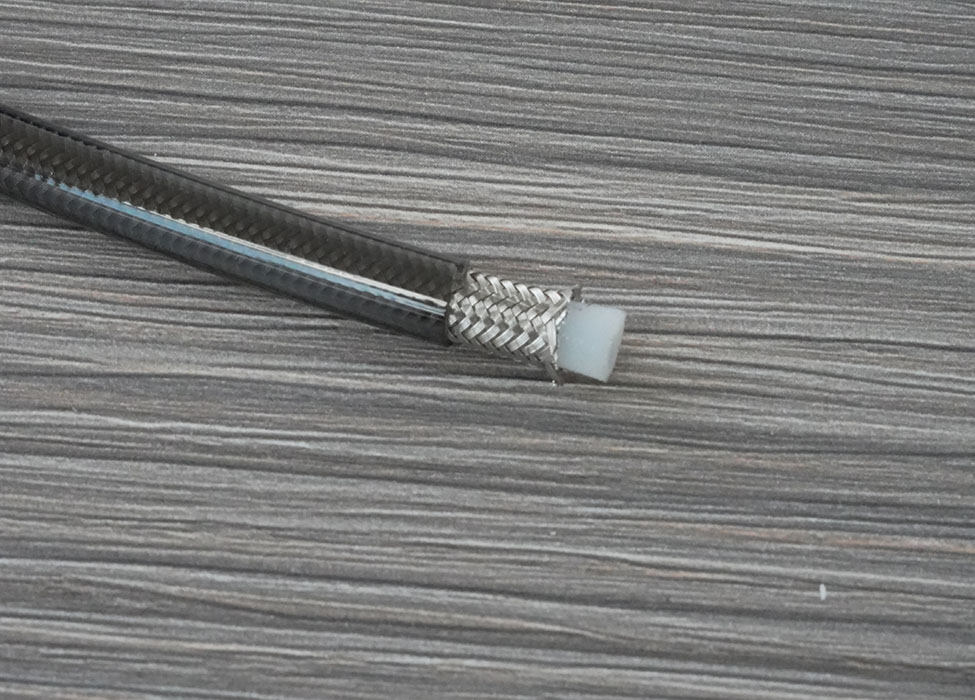
Reinforced Structure: Premium PTFE brake lines feature a stainless steel braided outer layer, doubling their wear resistance and impact resistance.
2. Who Needs PTFE Brake Lines? Three Key ScenariosTrack Day Enthusiasts and Passionate Drivers: Thermal expansion of rubber hoses can exacerbate brake fade during frequent braking. PTFE hoses maintain stable performance, preventing a dangerous "soft brake pedal" when braking force is most needed.
Off-Road and Long-Distance Adventurers: Branches, rocks, and debris can easily damage exposed rubber hoses. Stainless steel braided PTFE hoses resist physical impacts while blocking mud, water, and corrosive substances.
Older Vehicle Restorers and Safety-Conscious Owners: Rubber hoses on vehicles over 5 years old age deteriorate—a hidden hazard. Upgrading to PTFE hoses avoids frequent replacements, saving time and money while improving safety.
3. Avoid Costly Installation MistakesUpgrading brake lines is not just about "replacing the hoses." Improper installation can lead to leaks, air locks, and uneven braking. Follow these rules:
Match Original Specifications: Choose hoses with the exact same thread size and diameter as your vehicle. Use the Vehicle Identification Number (VIN) to confirm compatibility—mismatched parts can disrupt brake balance.
Control Torque: Tighten the fittings to 25 N·m (18 ft-lbs) using a torque wrench. Overtightening will damage the seals; undertightening will cause leaks.
Completely Bleed Air from the System: Starting with the wheel furthest from the master cylinder, bleed air from the hydraulic circuit. Ensure pedal travel variation is ≤5mm for stable performance.
Inspect Line Routing: Line routing should be smooth and free of kinks or tension. Maintain a 30mm (1.2-inch) clearance from the bleed assembly. Secure with genuine clamps to prevent wear from vibration during cornering.
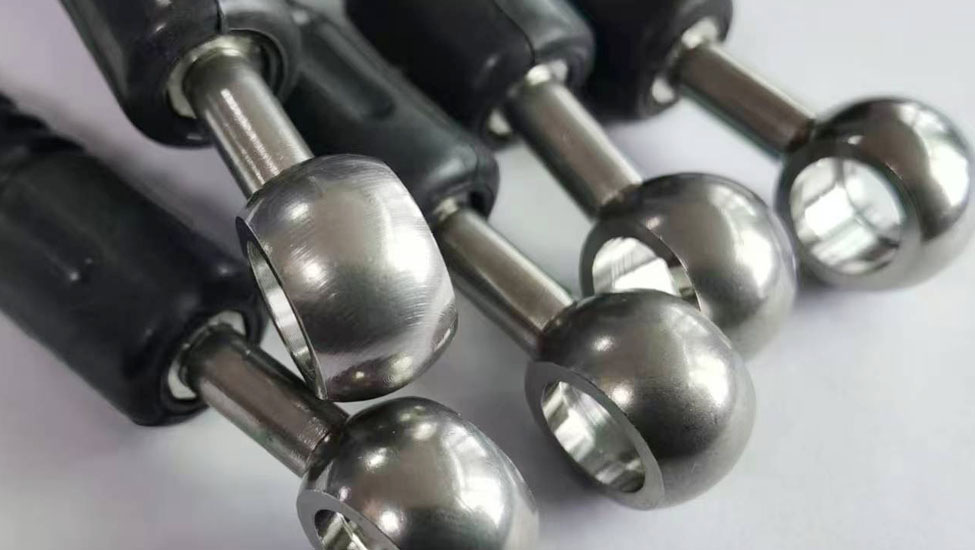
4. Key Indicators of High-Quality PTFE Brake LinesWorkmanship: Zinc-nickel plated fittings are corrosion-resistant; evenly braided stainless steel layers are free of loose threads or gaps.
Warranty: Reputable brands offer 1-3 year warranties and installation support. Avoid using unbranded "generic" lines—they are not safety tested and are prone to premature failure.
5. Conclusion: PTFE brake lines are the best safety investment you can make.The core of a braking system lies in "zero-loss pressure transmission." PTFE brake lines revolutionize this concept through materials science, solving defects such as rubber expansion, aging, and corrosion. This is not just a performance upgrade, but a crucial safety measure.
If your brake pedal feels weak, your brake lines are cracked, or your vehicle is over 5 years old, replace your brake lines with PTFE brake lines immediately. PTFE brake lines provide precise and reliable braking force every time you press the brake pedal.