- +86 18903185773
- nina@brakelinefactory.com
- Monday - Sunday 9.00 - 18.00

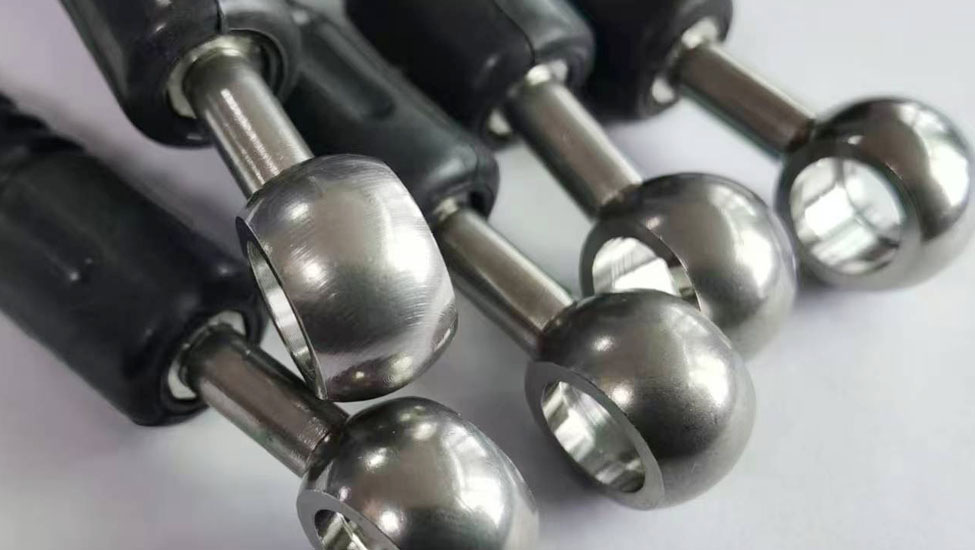
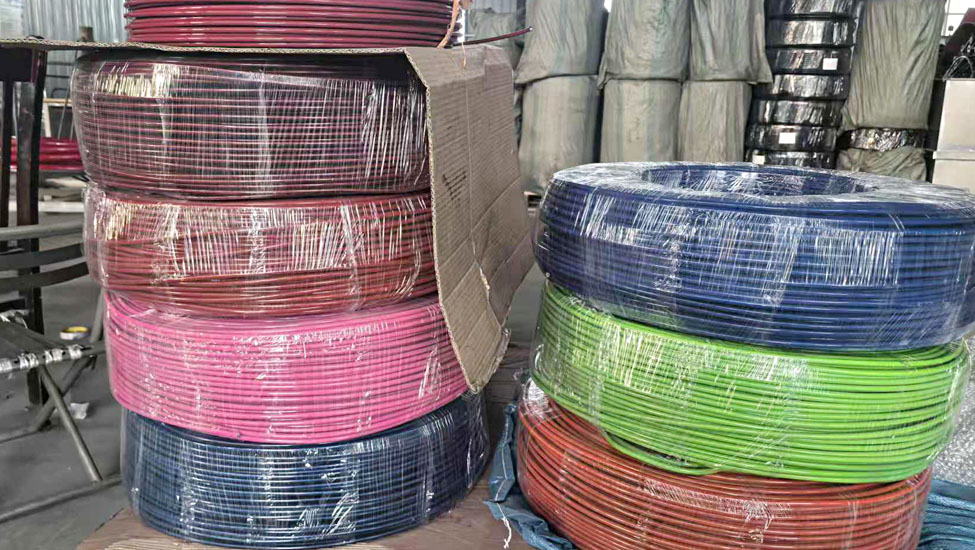
Longer braking distance is one of the most common safety concerns for motorcycle riders and vehicle owners. Many people focus on brake pads and brake discs when braking performance decreases, but the brake hose is also a critical component that directly affects hydraulic pressure transmission.
As a professional brake hose manufacturer, we have found that aging brake hoses, poor material quality, incorrect installation, and internal damage are common reasons behind increased braking distance.
Traditional rubber brake hoses are widely used in original equipment motorcycles. However, after long-term exposure to heat, moisture, brake fluid, and road vibration, rubber materials may become harder, softer, or develop internal cracks.
When the brake lever is pressed, part of the hydraulic pressure may be absorbed by hose expansion instead of transferring directly to the brake caliper. This results in:
For riders who need better pressure stability, upgrading to a high-performance brake hose such as Teflon Brake Lineor PTFE Brake Line Assemblycan help reduce hose expansion and improve braking response.
A brake hose may look normal from the outside, but internal damage can occur after years of use. The inner tube may collapse, separate, or become blocked by aging material.
Common symptoms include:
Regular inspection of brake hoses is important, especially for motorcycles used in tropical climates such as Southeast Asia, where high temperature and humidity can accelerate material aging.
During aggressive riding, racing, or heavy vehicle use, brake systems generate high hydraulic pressure and temperature.
A standard rubber hose may expand slightly under pressure. Although the expansion is small, it can affect brake feeling and response speed.
Stainless steel braided brake lines are designed to reduce expansion through reinforced outer layers, providing more consistent braking pressure.
A high-quality brake hose is not only a replacement part but also an important upgrade component for motorcycle modification.
PTFE materials have excellent resistance to heat, chemicals, and pressure. They are widely used in performance brake systems because they maintain stable performance under demanding conditions.
Our performance brake hose solutions include:
Compared with ordinary rubber hoses, braided brake lines use stainless steel reinforcement layers to improve pressure resistance and reduce hose deformation.
They are commonly selected for:
Before purchasing upgraded brake hoses, customers should consider several important factors:
Different applications require different materials. PTFE, Nylon, and Rubber brake hoses each have different advantages.
A correct brake hose should match the vehicle model, installation position, and brake system specifications.
Professional production processes including tube extrusion, braiding, crimping, and pressure testing help ensure product reliability.
We are a professional brake hose manufacturer specializing in customized brake line solutions for motorcycles, cars, ATVs, and modified vehicles.
Our main products include:
We support OEM production, custom sizes, different colors, fittings, and designs according to customer requirements.
If you have drawings, samples, or special requirements, please send us your design. Our engineering team can help develop suitable brake hose solutions for your market.
Contact our team for professional support.
Replacement time depends on material quality, usage environment, and maintenance conditions. Regular inspection is recommended for motorcycles used in high temperature or high humidity areas.
High-quality upgraded brake hoses can improve pressure stability and provide more consistent braking response when correctly selected and installed.
Most motorcycles can use customized brake hoses. Customers should confirm hose length, fittings, and brake system specifications before ordering.


Here you can obtain valuable Brake Line Brake Hose technical articles
How Stainless Steel Braided Br
Read More Why Do Motorcycle Brake Lines
Read More How to Choose the Right Motorc
Read MoreInstant Chat Support
+8618903185773
nina@brakelinefactory.com
Get the latest information
Scan the code to follow
Return to the top of the page