- +86 18903185773
- nina@brakelinefactory.com
- Monday - Sunday 9.00 - 18.00

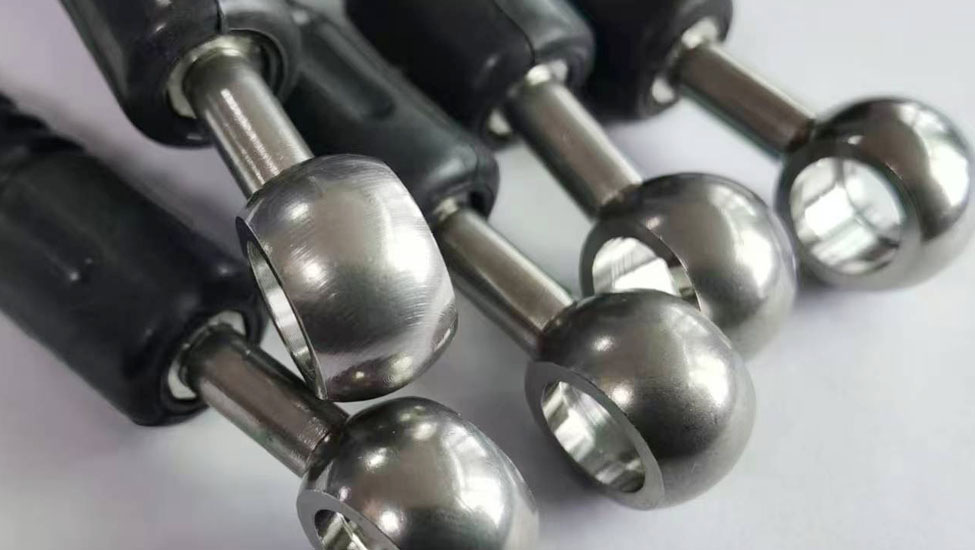
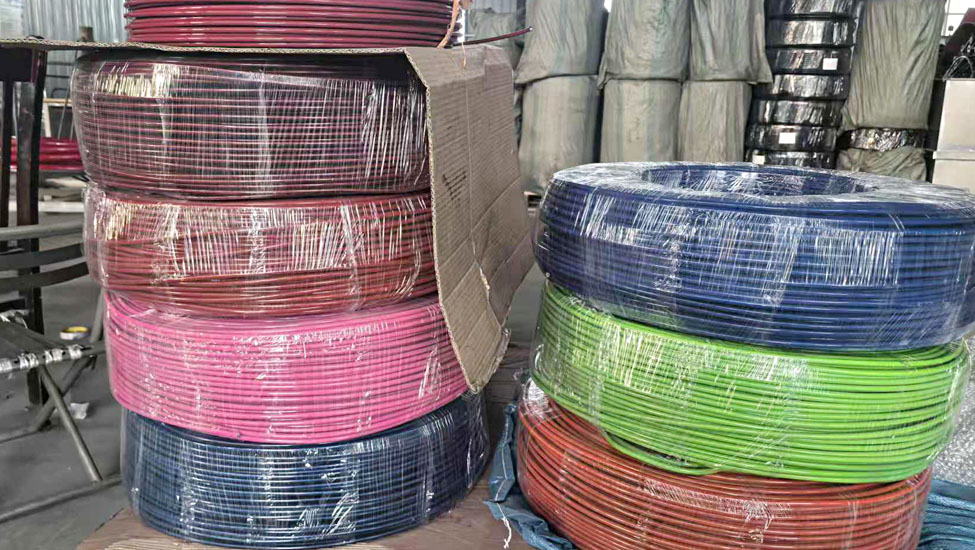
For automotive distributors and repair shops in Southeast Asia, the Middle East, and East Asia, selecting the right brake hose material is crucial. Whether you are dealing with the scorching heat of the Middle East or the precision tuning markets of Japan and Korea, understanding the difference between rubber, nylon, and PTFE brake lines ensures safety and customer satisfaction.
Brake lines are the lifeline of a vehicle's braking system. Below, we compare our core product materials to help you make the best decision for your market.
For vehicles requiring high heat resistance and consistent pressure, the Teflon Brake Line is the superior choice. Unlike standard rubber, Teflon (PTFE) does not expand under high pressure, providing a firmer pedal feel. This makes it ideal for racing cars and heavy-duty vehicles often found in the Middle East's demanding terrain.
The Nylon Brake Line offers excellent flexibility and chemical resistance. It is lightweight and easy to route through tight chassis spaces, making it a popular choice for automotive modifications in Southeast Asia.
For OEM replacements on passenger vehicles, our Rubber Brake Line Assembly meets international safety standards (SAE J1401). It provides a cost-effective solution with reliable durability for daily driving in varied climates.
Are you unsure which material fits your local market needs? Or do you have specific drawings and OEM requirements?
Send us your technical drawings or samples, and we will manufacture brake lines to your exact specifications.
When sourcing brake lines for your inventory, consider the following technical aspects:
We specialize in exporting high-quality brake systems globally. Our main product lines include:
Ensure your customers drive safely with our certified brake line solutions.


Here you can obtain valuable Brake Line Brake Hose technical articles
How Stainless Steel Braided Br
Read More Why Do Motorcycle Brake Lines
Read More How to Choose the Right Motorc
Read MoreInstant Chat Support
+8618903185773
nina@brakelinefactory.com
Get the latest information
Scan the code to follow
Return to the top of the page