Performance Brake Hose Upgrade Guide: Materials, Structure & Real-World Benefits for Modified Vehicles
With the rapid growth of vehicle modification markets in Southeast Asia, the Middle East, Japan and Korea, upgrading brake components has become a priority for performance enthusiasts and professional workshops. Among all braking components, the brake hose plays a critical role in safety, pedal feel and hydraulic response.
What Is a Brake Hose?
A brake hose is a flexible hydraulic line that transfers brake fluid pressure from the master cylinder to the brake calipers or wheel cylinders. Unlike rigid brake pipes, hoses must withstand constant movement from suspension travel, steering angle and road vibration.
Main Function of a Brake Hose
- Transmit hydraulic pressure instantly and consistently
- Maintain structural integrity under high PSI
- Resists expansion under heat and pressure
- Absorb vibration without cracking or leaking
Brake Hose Materials & Structure Comparison
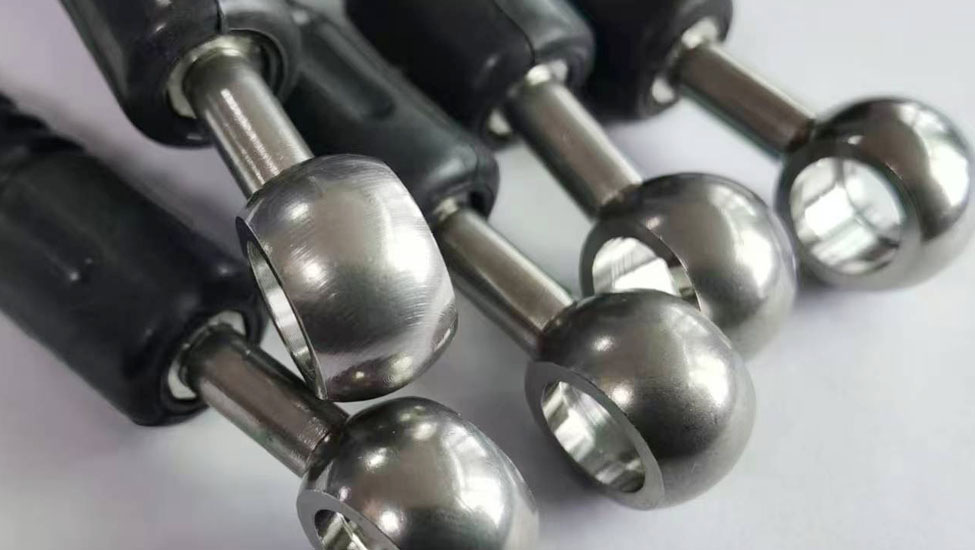
1. PTFE / Teflon Inner Core + Stainless Steel Braided Structure
Performance-oriented hoses typically use a PTFE inner tube combined with stainless steel braiding. This construction minimizes volumetric expansion under pressure and delivers firm pedal feedback.
Related Products:
Performance Impact:
- Minimal expansion under high pressure
- Improved pedal consistency
- Excellent high-temperature resistance
- Ideal for racing, off-road, and heavy-duty use
Need Custom Design?
If you have technical drawings, required fittings, or specific length requirements, please share them with us. Our engineering team supports OEM and bulk production. Contact Us Here.
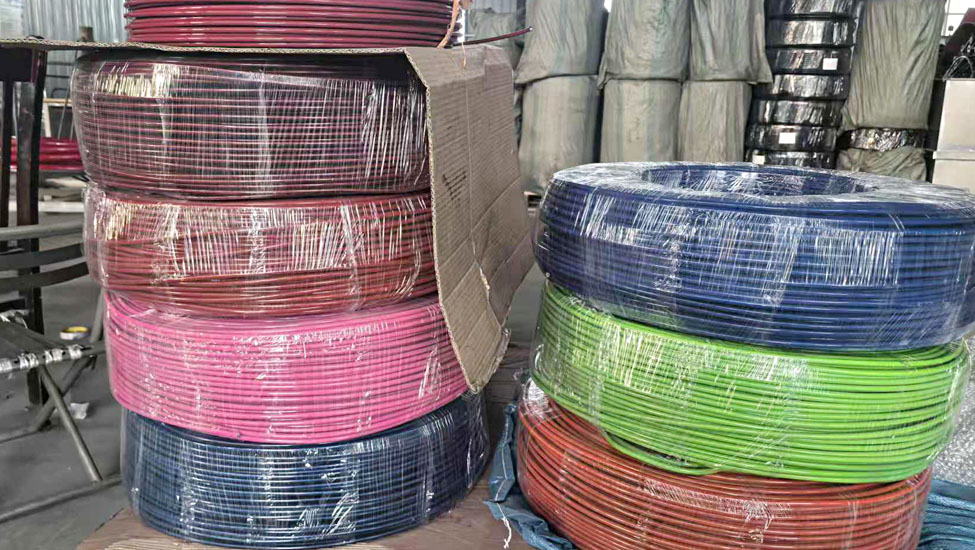
2. Nylon Reinforced Brake Line
Nylon brake hoses offer improved flexibility and chemical resistance compared to traditional rubber hoses. They are widely used in lightweight vehicles and moderate-performance applications.
Performance Comparison:
- Lighter weight than steel braided hoses
- Good resistance to abrasion
- Moderate pressure stability
- Cost-effective for OEM replacement
Bulk Inquiry & Technical Support:
For distributors and workshops in Southeast Asia and Middle East markets, we provide customized fittings and labeling services. Send Us Your Requirements.
Rubber Brake Hose vs Braided Performance Hose
Traditional rubber hoses expand under repeated braking, especially in hot climates such as UAE, Thailand or Indonesia. This expansion leads to softer pedal feel and delayed braking response.
Stainless braided PTFE hoses maintain consistent pressure, which improves:
- Brake response time
- Pedal firmness
- High-speed stability
- Safety under emergency braking
Real Benefits of Upgrading Brake Hoses
- Sharper pedal feel
- More predictable braking modulation
- Reduced brake fade risk
- Longer service life under extreme climate conditions
Installation & Selection Recommendations
- Always match correct fitting type (banjo, male/female thread)
- Confirm working pressure rating
- Choose corrosion-resistant fittings for coastal regions
- For motorsports, select PTFE braided structure
- Check hose routing to avoid friction points
Maintenance Tips
- Inspect annually for cracks or leaks
- Replace immediately if swelling is visible
- Avoid excessive bending during installation
- Flush brake fluid regularly
FAQ – Buyer & Workshop Questions
How often should brake hoses be replaced?
OEM rubber hoses typically require replacement every 3–5 years depending on climate and usage. Performance PTFE braided hoses have longer service life but should still be inspected annually.
Does upgrading brake hoses really improve safety?
Yes. Reduced expansion improves braking consistency and response time, especially under high-speed or heavy-load conditions.
Are braided brake lines suitable for all vehicles?
Most passenger cars, SUVs, motorcycles and performance vehicles can be upgraded. Custom lengths and fittings ensure compatibility.
Our Main Product Range
- Teflon / PTFE Brake Lines
- Nylon Brake Lines
- Brake Line Assemblies (Custom Length)
- Rubber Replacement Brake Hoses
- Stainless Steel Braided Brake Systems