- +86 18903185773
- nina@brakelinefactory.com
- Monday - Sunday 9.00 - 18.00

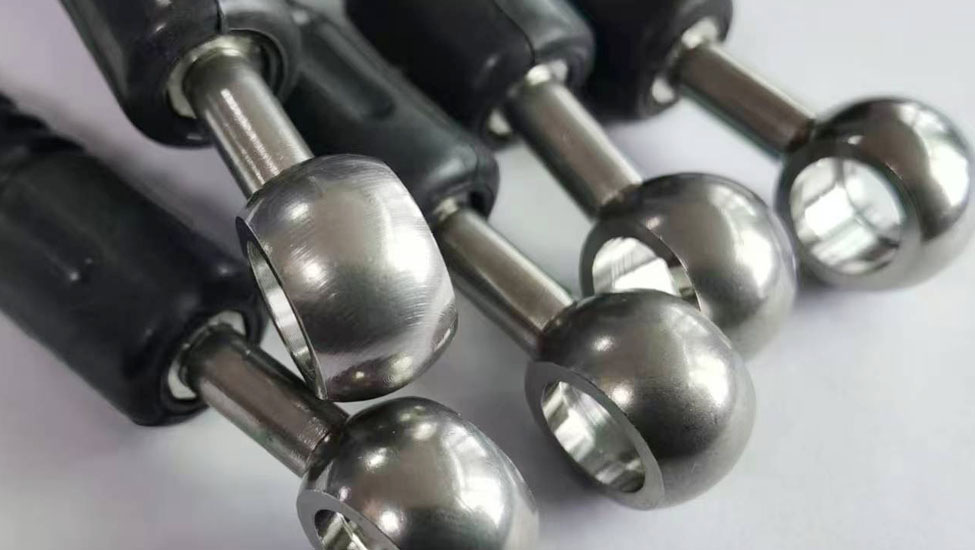
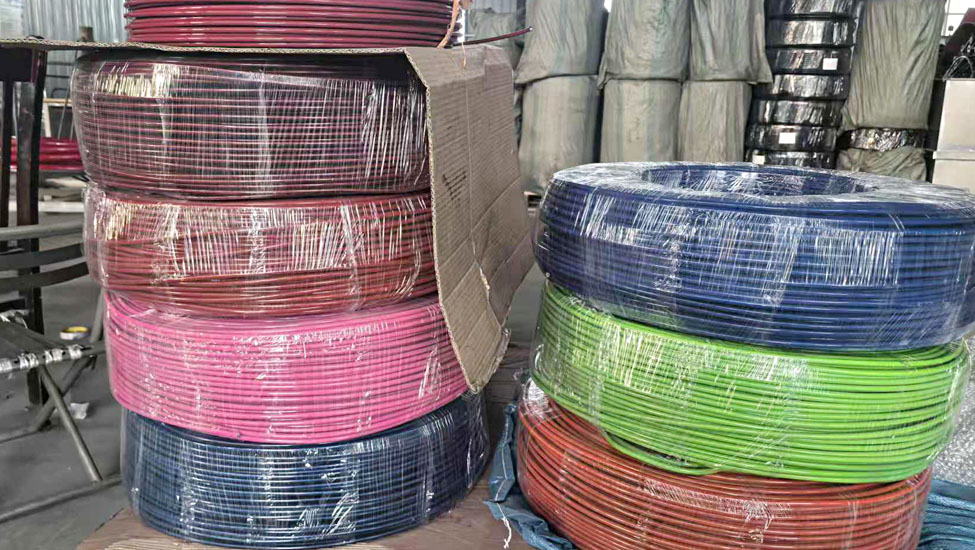
Stainless steel braided brake lines are becoming increasingly popular among motorcycle riders, performance vehicle owners, and aftermarket brake system distributors because of their excellent durability, high pressure resistance, and improved braking response.
Although braided brake lines are designed for long-term performance, regular cleaning and inspection are still necessary to maintain braking safety and extend service life, especially for motorcycles and vehicles operating in humid, dusty, or high-temperature environments.
This guide explains how to properly clean, inspect, and maintain braided brake lines to help riders, workshops, and distributors understand the best maintenance practices.
Brake hoses are constantly exposed to challenging conditions including road dust, water, mud, heat, vibration, and chemical contaminants.
Without regular inspection, small problems may gradually affect braking performance, such as:
Regular maintenance helps ensure stable hydraulic pressure and consistent brake performance.
Cleaning stainless steel braided brake hoses is a simple but important maintenance step. Dust and road contaminants should be removed regularly, especially for motorcycles used in tropical areas such as Southeast Asia and coastal regions.
Avoid using aggressive chemicals that may damage protective coatings or affect hose fittings.
The fittings are critical components that connect the brake hose with calipers, master cylinders, and other brake system parts.
During inspection, check:
Incorrect installation may create unnecessary stress on the hose and reduce service life.
Although stainless steel braided brake lines provide excellent protection, they should still be inspected regularly.
Look for the following warning signs:
If any abnormal condition is found, replacement is recommended to maintain braking reliability.
A brake hose is a key part of the hydraulic braking system. Even small changes in hose condition can influence braking response.
Proper maintenance helps maintain:
Teflon brake lines are widely used in performance vehicles and modified motorcycles because of their excellent heat resistance and chemical stability.
Compared with traditional rubber hoses, PTFE-based brake hoses have lower expansion characteristics and provide more consistent braking performance.
Our Teflon Brake Linesolutions are designed for customers requiring reliable performance, customized length, and different fitting options.
Need a customized brake hose design? Send us your drawing, sample, vehicle model, or fitting requirements. Our engineers can help recommend a suitable solution.
Contact Our Engineering Team for Custom Brake Line Solutions.
PTFE Brake Line Assembly combines PTFE inner tubing with reinforced outer protection to provide excellent durability and pressure resistance.
It is widely used in:
Our PTFE Brake Line Assemblysupports OEM manufacturing and customized production according to customer requirements.
For distributors and modification shops looking for stable supply, we provide professional production support and quality control.
Contact Us for OEM Brake Hose Manufacturing.
Nylon brake lines are commonly selected for applications that require flexibility, lightweight structure, and corrosion resistance.
Our Nylon Brake LineandNylon Brake Line Assemblyprovide customized solutions for different vehicle systems.
If you are unsure which material is suitable for your project, our engineering team can help evaluate your application requirements.
Contact Us for Product Recommendation.
Rubber brake line assemblies remain an important choice for many standard vehicle replacement applications because of their flexibility and cost efficiency.
OurRubber Brake Line Assemblyproducts are manufactured with strict quality inspection to meet different market requirements.
We support bulk orders, customized specifications, and international customers including distributors, wholesalers, and aftermarket suppliers.
Contact Us for Bulk Brake Hose Orders.
Strong chemical cleaners may damage hose surfaces or fittings. Always choose suitable cleaning products for brake system components.
Even minor brake fluid leakage should be inspected immediately because it can affect hydraulic pressure and braking safety.
Incorrect routing may cause rubbing, twisting, or excessive bending, reducing hose durability.
As a professional brake hose manufacturer, we provide different brake line solutions for global aftermarket markets.
Our products are widely used for motorcycles, scooters, modified cars, SUVs, ATVs, and customized brake systems.
Inspection frequency depends on driving conditions. Vehicles used in racing, off-road, humid climates, or heavy daily use should be checked more frequently.
High-quality braided brake lines can reduce hose expansion under pressure and provide a firmer, more consistent braking feeling when properly installed.
Most motorcycle models can use customized braided brake lines when correct measurements, fittings, and installation requirements are provided.
Customers can provide:
Our engineering team can help develop suitable brake hose solutions based on your requirements.


Here you can obtain valuable Brake Line Brake Hose technical articles
How Stainless Steel Braided Br
Read More Why Do Motorcycle Brake Lines
Read More How to Choose the Right Motorc
Read MoreInstant Chat Support
+8618903185773
nina@brakelinefactory.com
Get the latest information
Scan the code to follow
Return to the top of the page