- +86 18903185773
- nina@brakelinefactory.com
- Monday - Sunday 9.00 - 18.00

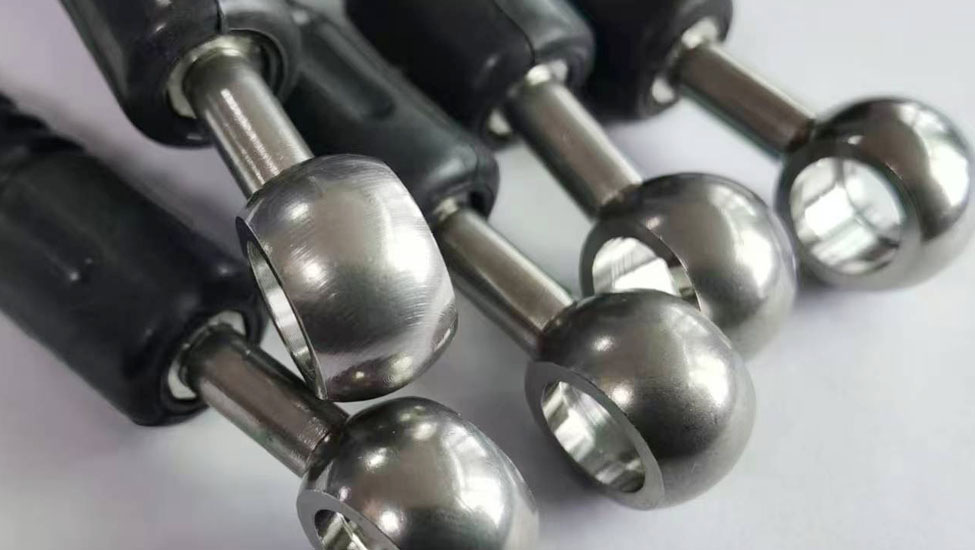
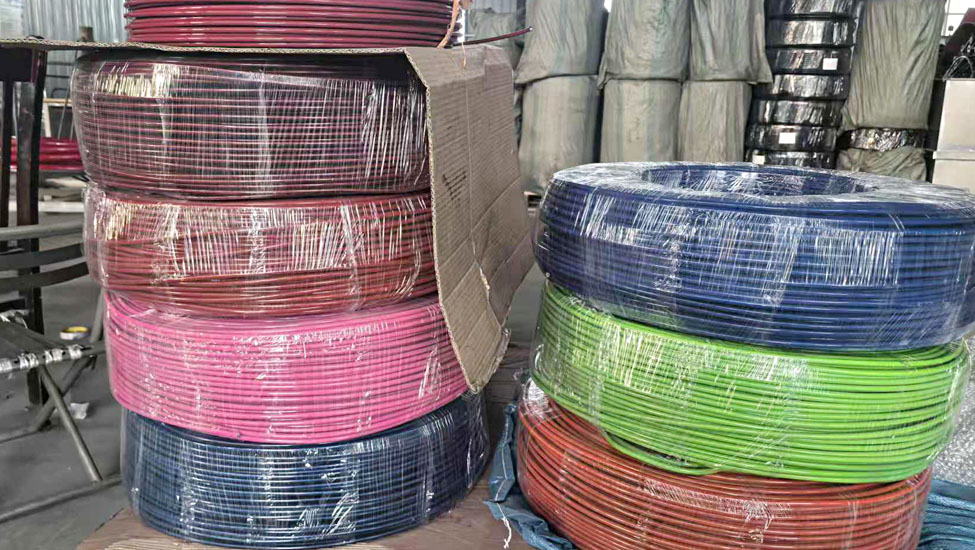
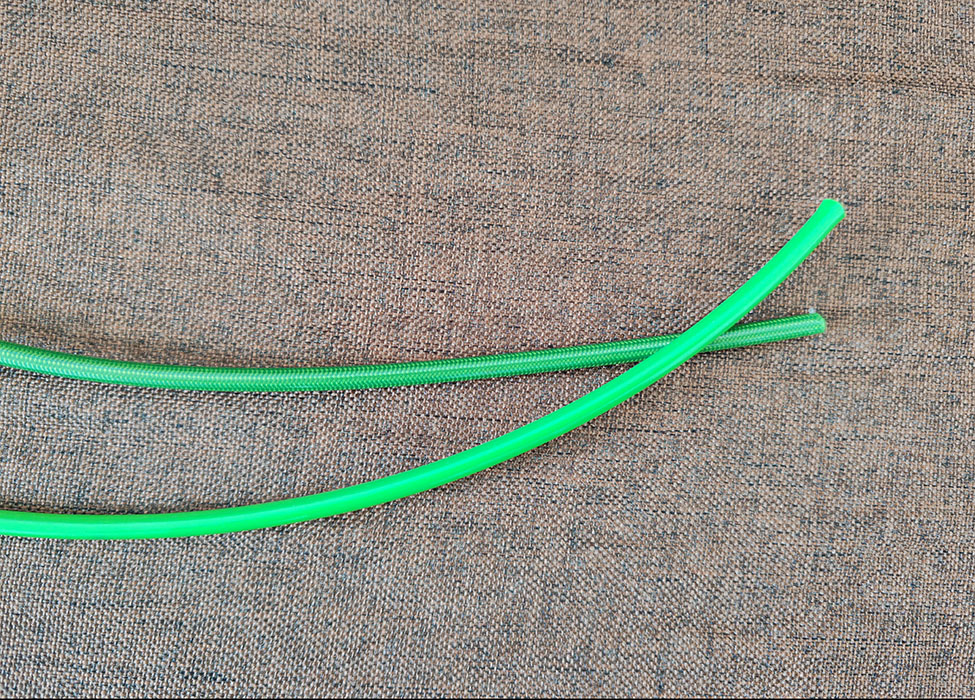
Nylon brake hose has become a stronger choice for buyers who want better durability, stable performance, and cleaner routing in modern braking systems. In aftermarket and OEM applications, engineers often look for a hose that can handle pressure, resist aging, and maintain reliable fluid transfer over time. That is where nylon brake hose offers a clear advantage.Compared with traditional rubber hose, nylon brake hose is less affected by heat, moisture, and long-term material softening. For distributors, workshops, and brand owners, this means fewer replacement complaints and better product consistency in export markets.
Rubber hose can expand more under pressure, especially after long-term use. That expansion may affect brake pedal feel and response consistency. Nylon brake hose is more stable in this area, which helps the hydraulic system perform more predictably.
In hot climates such as Southeast Asia, the Middle East, and parts of Africa, rubber hose tends to age faster. Continuous heat cycling can harden the material and reduce service life. Nylon brake hose performs better in these conditions and is less likely to deform prematurely.
Rubber hose usually requires more frequent inspection and replacement. Nylon brake hose is designed for longer-term use, which makes it a practical option for fleets, workshops, and aftermarket suppliers who need a more durable solution.
Nylon hose often provides a cleaner installation layout and is easier to manage in compact spaces. This is especially useful for motorcycle brake lines and customized brake line assemblies where routing space is limited.
Nylon brake hose is suitable for a wide range of vehicle applications, including passenger cars, motorcycles, and replacement brake line projects. It is a strong option for buyers who need a balance of flexibility, durability, and cost control without moving to a more complex structure.
For projects that require complete assemblies, we also support:
If you have drawings, samples, or OEM specifications, please for custom support.
Even a better hose still needs proper maintenance. Regular inspection helps prevent brake drag, leakage, and delayed response. Look for cracks, hardening, swelling, or surface wear during routine service. Brake fluid should also be replaced on schedule, because contaminated fluid can shorten hose life and affect system performance.
Replacement intervals depend on climate, mileage, and vehicle usage. In harsh environments, hoses should be inspected more often and replaced earlier if signs of aging appear.
Yes. Nylon brake hose can improve pressure stability and durability compared with standard rubber hose, which helps support more consistent braking performance.
It can be used on many vehicle types, but the correct fitting, length, and pressure rating must always be matched to the application.
We manufacture Nylon Brake Hose, Nylon Brake Line, Nylon Brake Line Assembly, PTFE Brake Line Assembly, Teflon Brake Line, and Rubber Brake Hose Assembly for OEM and aftermarket buyers worldwide.


Here you can obtain valuable Brake Line Brake Hose technical articles
How Stainless Steel Braided Br
Read More Why Do Motorcycle Brake Lines
Read More How to Choose the Right Motorc
Read MoreInstant Chat Support
+8618903185773
nina@brakelinefactory.com
Get the latest information
Scan the code to follow
Return to the top of the page