Comprehensive Guide: Teflon, Nylon, and Rubber Brake Lines for Global Markets
Choosing the right brake line material is critical for automotive safety and performance. Whether you are distributing in the heat of the Middle East or the humid climates of Southeast Asia, understanding the differences between PTFE, Nylon, and Rubber assemblies is essential for your inventory.
1. Why Upgrade to Teflon (PTFE) Brake Lines?
For racing vehicles and high-performance cars often seen in the Japanese and Korean markets, standard rubber hoses may expand under pressure. This is where our premium solutions come in.
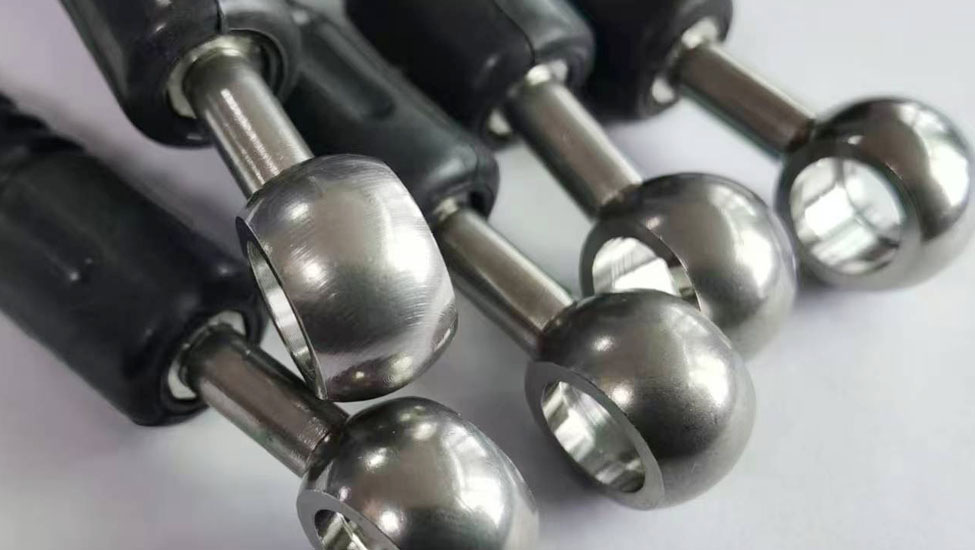
The core advantage of a Teflon Brake Line is its resistance to expansion. It maintains consistent brake pressure even under extreme stress. Furthermore, when you choose a complete PTFE Brake Line Assembly, you ensure longevity and chemical resistance against harsh brake fluids.
Need Custom Specifications? If you are unsure about the fitting sizes or length, or if you have specific OEM drawings, our engineering team is here to help.
➤ Click here to Contact Us and send your drawings today.
2. The Versatility of Nylon and Rubber Brake Lines
While PTFE is excellent for performance, many commercial vehicles and standard passenger cars require different specifications.
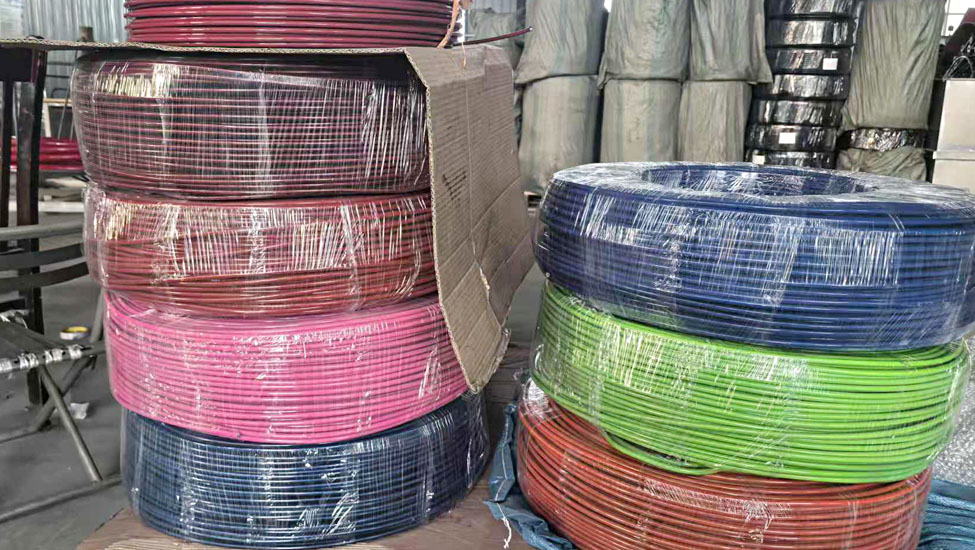
Our Nylon Brake Line offers exceptional flexibility and is lightweight, making it a popular choice for fuel and pneumatic systems as well. For clients looking for ready-to-install kits, the Nylon Brake Line Assembly provides a cost-effective yet durable solution.
Additionally, for traditional OEM replacements, we supply the high-standard Rubber Brake Line Assembly, which meets strict international safety standards (DOT/SAE).
3. Key Factors When Purchasing Brake Hoses
Temperature & Environment
If your market is in the Middle East, prioritize heat-resistant materials like PTFE. For wet environments in Southeast Asia, stainless steel braided covers on your brake lines prevent corrosion.
Maintenance Tips for End-Users
- Visual Inspection: Regularly check for cracks or bulges on the Rubber Brake Line Assembly.
- Fittings Check: Ensure no fluid is leaking near the crimped ends of the PTFE Brake Line Assembly.
- Replacement Cycle: We recommend inspecting brake lines every 20,000 km.
Ready to Order?
We supply a full range of brake lines including Teflon Brake Line and Nylon Brake Line. We support OEM/ODM services.
Have a sample or a technical drawing? We can manufacture according to your exact needs.