- +86 18903185773
- nina@brakelinefactory.com
- Monday - Sunday 9.00 - 18.00

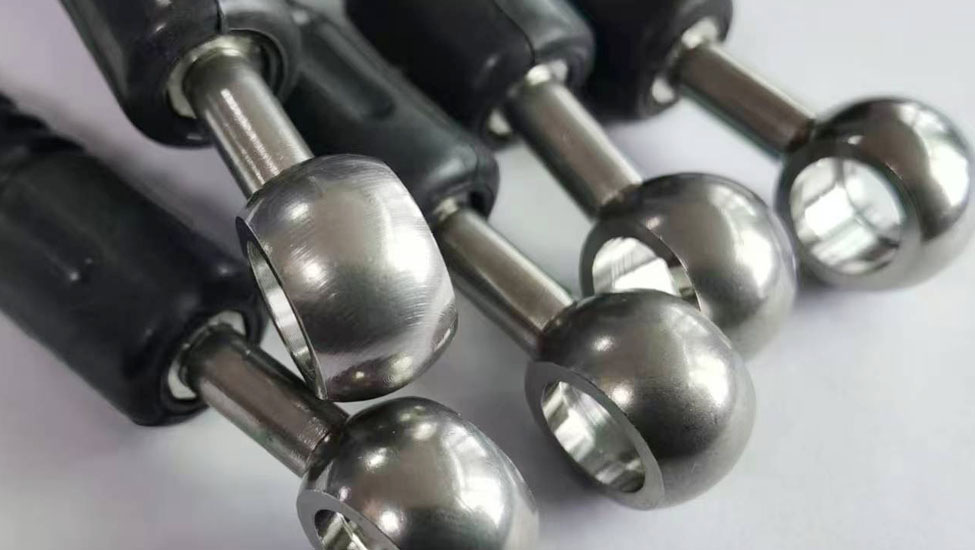
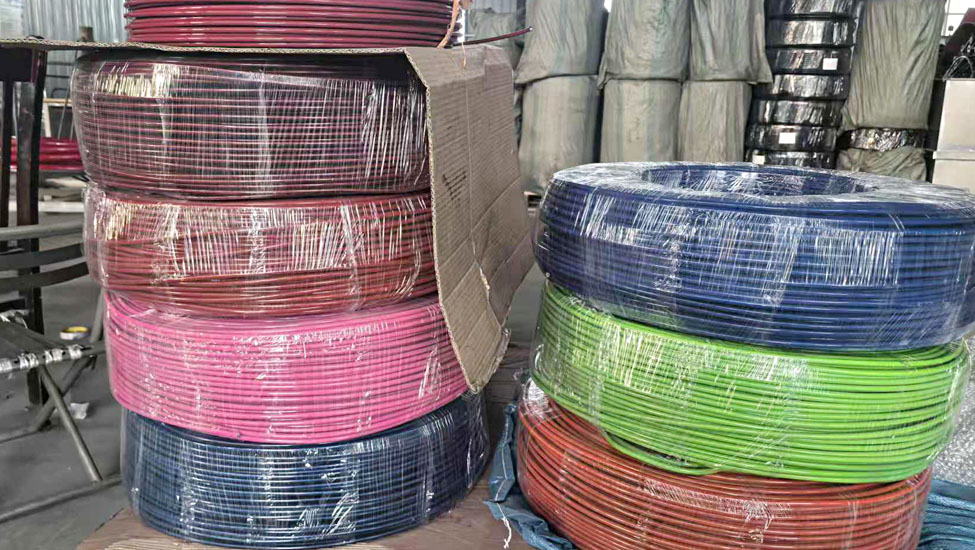
The brake hose is a small but critical component in the motorcycle braking system. It transfers hydraulic pressure from the brake master cylinder to the brake caliper and directly affects braking response, safety, and riding confidence.
Many motorcycle owners focus on brake pads, discs, and calipers but ignore the condition of the brake hose. In reality, aging, cracking, internal blockage, and pressure expansion of brake hoses can gradually reduce braking performance.
This motorcycle brake hose maintenance guide explains how to inspect, clean, and replace brake lines, while also introducing how upgraded brake hose solutions can improve reliability for daily riding, modified motorcycles, and professional applications.
A motorcycle brake system works under high hydraulic pressure. Every time the brake lever is applied, the brake hose must transfer pressure quickly and consistently.
Over time, external factors such as heat, moisture, road debris, vibration, and brake fluid can affect hose performance.
If these problems appear, riders should inspect the brake hose condition immediately instead of waiting for complete failure.
The replacement cycle of motorcycle brake hoses depends on the hose material, riding environment, maintenance habits, and vehicle usage.
Motorcycles operating in hot regions such as Southeast Asia, the Middle East, and Africa may experience faster material aging because high temperatures accelerate rubber deterioration.
Motorcycles used for racing, touring, mountain riding, heavy loads, or frequent city traffic require more regular brake system inspections.
Different materials provide different durability characteristics.
Regular inspection is one of the easiest ways to prevent brake system problems.
Inspect the brake hose for:
Brake fluid leakage usually indicates problems with hose connections, fittings, or hose damage. Any leakage should be handled immediately because it can reduce hydraulic pressure.
A sudden change in brake lever feeling may indicate air inside the brake system, old brake fluid, or possible brake hose issues.
For motorcycle enthusiasts who want better braking consistency, upgrading from traditional rubber hoses to braided brake lines has become a popular modification.
During hard braking, hydraulic pressure increases significantly. Standard rubber hoses may expand slightly, which can affect brake lever feedback.
Stainless steel braided construction helps control expansion and provides a firmer braking feel.
The stainless steel outer braid provides additional protection against abrasion, heat, and mechanical impact, making it suitable for motorcycles used in demanding environments.
Many motorcycle modification workshops, racing teams, and performance riders select upgraded brake hose systems to improve braking confidence.
Different riders and markets have different requirements. Choosing the correct brake hose material is important for achieving the expected performance.
PTFE brake hose is commonly used in high-performance hydraulic systems because of its low expansion characteristics, excellent chemical resistance, and stable operation under pressure.
OurTeflon Brake Lineproducts provide reliable solutions for motorcycle modification brands and professional workshops.
For customers requiring complete hose assemblies, we also provide:
PTFE Brake Line Assemblysolutions customized according to different motorcycle models and applications.
Nylon brake hose solutions are popular in applications where lightweight design and flexibility are important.
We manufacture:
Nylon Brake LineandNylon Brake Line Assemblyfor different industries and customized requirements.
For OEM replacement markets and regular street motorcycles, rubber brake hose assemblies remain a practical solution because of their flexibility and cost advantage.
OurRubber Brake Line Assemblyproducts are suitable for various motorcycle and vehicle applications.
Old brake fluid can absorb moisture and reduce braking performance. Regular brake fluid replacement helps protect the entire hydraulic system.
Incorrect installation angles or excessive bending can damage the internal structure of the brake hose and affect performance.
Dust, corrosion, and contamination around fittings may cause sealing problems. Proper cleaning during maintenance helps improve reliability.
For motorcycle parts distributors and aftermarket brands, purchasing decisions are usually based on several important factors:
We specialize in manufacturing motorcycle brake hoses, automotive brake lines, ATV brake hoses, and customized hydraulic brake assemblies.
Our product range includes:
With professional engineering support and manufacturing experience, we provide customized brake hose solutions for distributors, motorcycle accessory companies, repair workshops, and aftermarket brands worldwide.
If you have product drawings, samples, motorcycle models, or special requirements, our engineering team can help design and manufacture suitable brake hose products.
Contact our team for technical support and customized solutions:
Common signs include soft brake feeling, visible cracks, leakage, reduced braking response, or abnormal hose expansion. Regular inspection is recommended.
A high-quality braided brake line can improve braking consistency by maintaining more stable hydraulic pressure. However, complete brake system performance also depends on proper installation and other brake components.
Most motorcycles can use upgraded brake hoses when the correct length, fittings, and specifications are selected. Custom solutions are recommended for modified motorcycles.
Customers can provide motorcycle model, hose length, fitting requirements, drawings, samples, or technical specifications. Our engineering team can assist with product development.


Here you can obtain valuable Brake Line Brake Hose technical articles
How Stainless Steel Braided Br
Read More Why Do Motorcycle Brake Lines
Read More How to Choose the Right Motorc
Read MoreInstant Chat Support
+8618903185773
nina@brakelinefactory.com
Get the latest information
Scan the code to follow
Return to the top of the page